

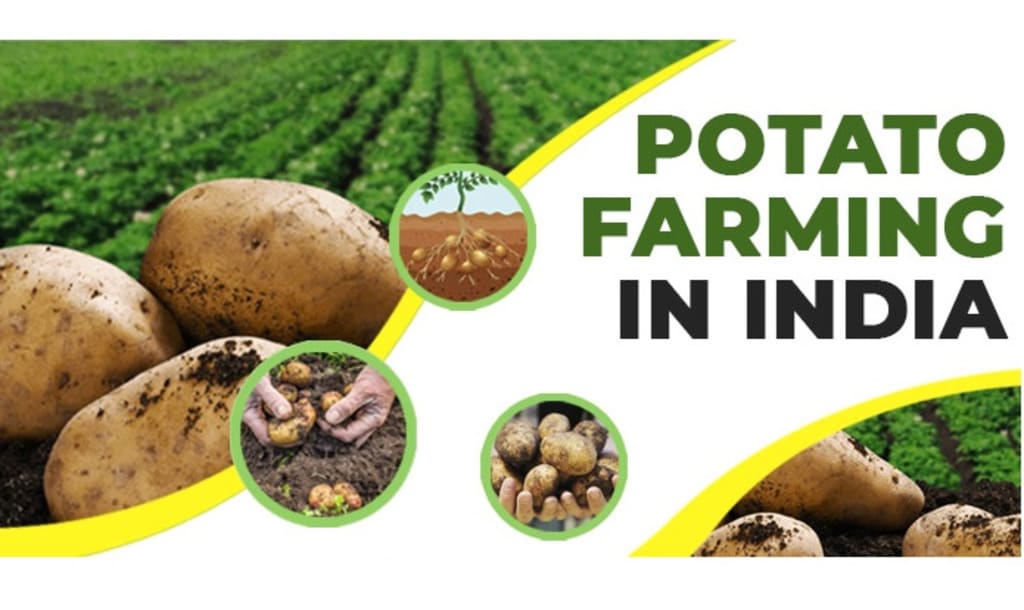
Potato (Solanum tuberosum) is the most important food crop in the world. It is a temperate crop grown under subtropical conditions in India. It is a much-branched bushy herb, usually 0.5 to 1m in height, with underground stems bearing the edible tubers.
The potato has always been the ‘poor man’s friend’. Potatoes have been grown throughout the country for over 300 years. It has emerged as one of the most popular vegetable crops in the country.
Potatoes are a cost-effective source of energy in the human diet. They are also a rich source of starch, vitamins, and minerals, especially C and B1. They also include a significant number of important amino acids, such as leucine, tryptophane, and isoleucine.
Planning to grow potatoes on your farm? Go through our blog below to know about the process of growing potatoes.
Top Potato Growing States in India:
Potatoes are grown in almost all states of India. Here are the leading potato-producing states in India.
- Uttar Pradesh
- West Bengal
- Bihar
- Gujarat
- Madhya Pradesh
Health Benefits of Adding Potatoes to Your Diet:
Potatoes are relatively cheap, easy to grow and packed with a variety of nutrients. Here are 6 health benefits of this veggie.
- Rich in Antioxidants
- Improves blood sugar levels in the body
- Good for gut health
- Supports skin health
- Vital for muscle contractions and nerve function
- Improves heart health
Technical Factors of Potato Cultivation:
Potato farming involves several key steps and considerations to ensure a successful crop yield. Here are the essential aspects of potato farming, including weather conditions, soil preparation, plantation, irrigation, and harvesting steps.
1. Weather Conditions
- Potatoes grow in temperate climates with moderate temperatures. The ideal temperature for potato growth is between 15°C to 21°C.
- Potatoes require a frost-free growing season, as frost can damage both the plants and the developing tubers.
- They need consistent rainfall or irrigation, ideally around 15-20 inches throughout the growing season.
2. Soil Preparation
- Good soil preparation is crucial for a healthy potato crop. Potatoes prefer well-drained, loose, and fertile soil with a pH of 4.8 to 5.4.
- Start by testing the soil to assess its pH and nutrient content. If needed, correct the pH with lime.
- Prepare the soil by tilling or ploughing to a depth of about 12 inches. Growers can use a Mahindra tractor to plough the land. It is a highly versatile tractor.
- Mixing organic matter like compost or well-rotted manure increases the fertility of the soil and its structure.
3. Plantation
- Planting potatoes begins with selecting high-quality seed tubers. Choose disease-free, certified seed potatoes.
- Cut large seed potatoes into pieces, ensuring each piece has at least one or two eyes (buds). Allow the cut pieces to cure for 1-2 days to form a protective layer.
- Plant the seed pieces in rows spaced about 12-15 inches apart, with 3-4 inches between each piece.
- Plant at a depth of 4-6 inches.
4. Irrigation
- Potatoes require consistent moisture, particularly during tuber development. Implement a regular irrigation schedule to keep the soil evenly moist but not waterlogged.
- Drip irrigation or soaker hoses are the most effective techniques for providing consistent moisture while minimizing water waste.
- During the growing season, check the soil regularly and adjust irrigation based on weather conditions and soil moisture levels.
5. Harvesting
- Harvesting typically occurs 70-120 days after planting, depending on the variety and growing conditions.
- The best time to harvest is after the potato plants have flowered and the foliage has begun to die back.
- Gently lift the tubers from the soil using a shovel or potato fork. Handle the potatoes carefully to avoid bruising. One can use any tractor to attach a trailer and collect the harvested potatoes.
6. Post-Harvesting Steps
- After harvesting, the potatoes must be cleaned and cured. Brush off excess soil and let the potatoes cure in a cool, dark, and well-ventilated area for 1-2 weeks.
- Once cured, store potatoes in a cool, dark, and humid environment at around 7-10°C.
- Proper storage conditions extend the shelf life and maintain the quality of the potatoes. To send the potatoes from the farm to warehouses, growers can use a mini tractor. Mini tractor price is also affordable, so they can buy it easily.
Conclusion:
Successful potato farming involves careful attention to weather conditions, soil preparation, planting techniques, irrigation, and post-harvest management. By understanding these key elements, farmers can optimize their potato yields and ensure a healthy, high-quality crop.
About the Creator
Rajendra_Singh
I'm a agriculture blogger, who loves sharing my knowledge about growing things. On my blog, you'll find practical tips and interesting stories to help you get started!
Keep reading
More stories from Rajendra_Singh and writers in The Swamp and other communities.
Cabbage Cultivation in India
Cabbage, an annual crop, is cultivated all over the world. Some of the cabbage's colours are green, red, purple, and white. The availability of white and red colours is low, but green and purple are found in almost every part of the world.
By Rajendra_Singh2 years ago in The Swamp
A Gathering of Evil Bosses
“I’m the queen of chin jutting while I smooth my hair, attacking, insulting, and deflecting to protect my appointer.” “Oh, please, Blondi, my hair is curled, highlighted, and longer than yours. I feature television commercials telling immigrants that we will give them a free plane ride home, and if they voluntarily turn themselves in, they will be allowed to legally apply for re-entry. It runs everywhere, and I look good in it! You can’t compete because of your blond hair. Mine is nicer, and my lips are prettier than yours.”
By Andrea Corwin 17 days ago in The Swamp
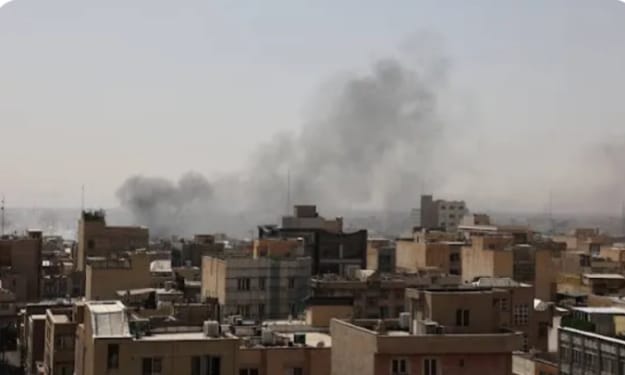
New Explosions Heard in Dubai, Plumes of Smoke Over Port
Residents of Dubai were jolted by the sound of powerful explosions late Tuesday as thick plumes of smoke rose from the city’s main port area, triggering widespread alarm and speculation about the cause of the incident. Videos and images quickly spread across social media platforms, showing dark clouds billowing into the night sky while sirens echoed across nearby neighborhoods.
By Sajida Sikandar6 days ago in The Swamp


Comments (3)
So so amazing .i love your content and subscribed. Kindly reciprocate by subscribing to me also . thank you and keep it up
Thanks for sharing
Beneficial article