
Poland Leather Goods Market Size & Forecast 2025–2033
Premium Demand, Craftsmanship Culture, and E-Commerce Expansion Fuel Poland’s Rising Leather Goods Industry


Poland Leather Goods Market: A Growing Fashion & Lifestyle Powerhouse
The Poland Leather Goods Market is set for steady expansion over the next decade, reaching US$ 4.16 billion by 2033, up from US$ 2.77 billion in 2024, registering a CAGR of 4.60% between 2025 and 2033. According to Renub Research, this growth reflects shifting consumer preferences toward high-quality fashion accessories, rising disposable incomes, technological advancements in retail, and greater appreciation for premium craftsmanship.
Polish consumers—especially younger urban buyers—are increasingly viewing leather products such as handbags, wallets, belts, footwear, luggage, and small accessories not only as functional essentials but as fashion investments that symbolize status, durability, and personal style. With both global brands and local artisan producers gaining momentum, Poland has emerged as one of Central Europe’s most promising fashion and accessories markets.
Poland Leather Goods Industry Overview
Leather goods refer to finished products made from tanned animal hide, transformed into stylish and durable consumer items. These include:
Handbags & purses
Wallets and small accessories
Belts and apparel
Footwear
Briefcases and business bags
Luggage and travel goods
Home décor leather accents
Leather has long been associated with luxury, longevity, and premium craftsmanship. In Poland, this perception continues to strengthen, positioning leather products as premium-to-luxury lifestyle items. From branded retail chains to boutique artisan workshops, the market now features a diverse product landscape catering to both value-driven and high-end consumers.
At the same time, sustainability and responsible sourcing have gained importance. Modern buyers want ethically produced leather, traceable origins, eco-conscious tanning, and long-lasting designs—driving manufacturers to upgrade technology, materials, and production standards.
Overall, Poland benefits from both domestic leather production capability and robust imports from Italy, France, Spain, and other European hubs, ensuring wide product availability across price tiers.
Key Growth Drivers for Poland’s Leather Goods Market
✅ 1. Rising Wealth and Premium Lifestyle Aspirations
Poland’s strong economic performance over the past decade has boosted purchasing power, particularly among consumers in Warsaw, Kraków, Wrocław, and Gdańsk. As incomes rise, shoppers are shifting from basic fashion items toward luxury and premium accessories.
Younger consumers are more brand-conscious.
Leather goods are viewed as long-term investments.
Fashion-forward demand is driving premium pricing.
This change is especially visible in handbags, footwear, business bags, and everyday accessories like wallets and belts. Retailers are expanding assortments, introducing international labels, and highlighting craftsmanship and quality—creating a higher perceived value for genuine leather products.
✅ 2. E-Commerce Boom and Omnichannel Retail
Digital retail has dramatically reshaped Poland’s leather goods landscape. Online platforms are offering:
Greater product variety
Competitive pricing
Personalized recommendations
Faster nationwide delivery
Social media and influencer culture are also playing a powerful role in elevating leather as a lifestyle symbol. Meanwhile, brick-and-mortar retailers are upgrading store formats, opening flagship boutiques, and adopting omnichannel models (online + in-store) to enhance customer engagement.
For leather brands—global and local—the result is greater reach, better brand visibility, and higher sales conversion rates.
✅ 3. Craftsmanship, Sustainability & Local Production Appeal
Polish consumers are becoming more conscious of product origins and environmental impact. This has sparked rising interest in:
Artisan craftsmanship
Responsibly sourced leather
Limited-edition collections
Customization services
Local designers and manufacturers are using heritage storytelling and premium-quality materials to differentiate themselves from mass-produced imports. Ethical tanning, recycling programs, and vegetable-tanned leather also resonate strongly with eco-aware shoppers.
As a result, leather goods are evolving from basic fashion items into curated, premium lifestyle products.
Major Challenges Impacting the Market
⚠️ 1. Volatile Raw Material Costs
Leather prices fluctuate due to global supply constraints, regulatory limits on tanning processes, and currency changes. Manufacturers—especially smaller players—face:
Higher production costs
Reduced profit margins
Pricing pressure
These cost dynamics can force brands to raise retail prices, potentially slowing demand growth.
⚠️ 2. Rising Competition from Synthetic & Vegan Alternatives
With sustainability in the spotlight, consumers are increasingly exploring:
Vegan leather
PU and PVC materials
Recycled leather alternatives
These products are often more affordable and appeal to ethical shoppers. To stay competitive, traditional leather brands must innovate, adopt transparent sourcing, and communicate their long-term durability and value proposition more effectively.
Regional Market Highlights
🌆 Warsaw Leather Goods Market
Warsaw, Poland’s wealthiest and most fashion-forward city, is the country’s largest market for premium leather goods. With luxury malls, flagship stores, and international brand presence, Warsaw sets national fashion trends and attracts affluent consumers and business travelers. Growing disposable incomes, professional lifestyles, and strong retail infrastructure fuel demand for high-end bags, shoes, and accessories.
🌆 Wrocław Leather Goods Market
As a modern tech and education hub with a youthful population, Wrocław is seeing rising demand for stylish, contemporary leather products. Young professionals favor branded footwear, minimalist bags, and lifestyle accessories. The city’s growing mall network and online shopping penetration make it a fast-emerging secondary market.
🌆 Kraków Leather Goods Market
Kraków’s tourism-driven economy creates a strong retail environment for leather souvenirs, artisanal accessories, and boutique-brand products. Local workshops and heritage designs attract tourists seeking authentic, high-quality leather craftsmanship.
🌆 Gdańsk Leather Goods Market
Located in the Tricity region, Gdańsk benefits from tourism, maritime trade, and expanding retail networks. Consumers here are gradually shifting toward premium lifestyle goods, making the city a strategic market for both domestic and international brands.
Recent Market Developments
May 2025: Von Baer launched a new UK platform, targeting premium leather bag and accessory buyers with full-grain, vegetable-tanned products.
April 2025: Hermès announced its 27th leather workshop in Normandy, expanding its artisan workforce and production capacity.
August 2024: Von Baer introduced a new wallet line made from Cuoio Superiore Leather, emphasizing sustainability and craftsmanship.
February 2024: Ermenegildo Zegna Group revealed plans for a new luxury footwear and leather goods facility in Italy, slated for completion in 2026.
These developments reflect rising global investment in luxury leather manufacturing—indirectly influencing demand and competitive dynamics in Poland.
Market Segmentation
By Type
Genuine Leather
Synthetic Leather
Polyurethane (PU) Leather
Polyvinyl Chloride (PVC) Leather
Vegan Leather
By Application
Fashion & Accessories
Handbags
Small Leather Goods
Apparel
Footwear
Home & Lifestyle
Décor & Furnishing
Pet Accessories
Automotive
Car Interiors & Accessories
By Region
Warsaw
Wrocław
Kraków
Gdańsk
Poznań
Key Players
Adidas AG
Nike, Inc.
Puma SE
Fila, Inc.
New Balance Athletics, Inc.
VIP Industries Ltd.
Timberland LLC
Johnston & Murphy
Each company can be analyzed through:
Company Overview
Key Personnel
Recent Strategies
SWOT Analysis
Sales Performance
✅ Final Thoughts
Poland’s leather goods industry is at an exciting turning point. Rising fashion consciousness, premium lifestyle spending, digital retail expansion, and growing appreciation for craftsmanship are creating strong long-term opportunities. While competition from synthetic alternatives and volatile material costs pose challenges, brands that embrace sustainability, innovation, and omnichannel retail are well-positioned to thrive.
As Poland continues to integrate global fashion trends with local artisanal heritage, its leather goods market is set to become one of Central Europe’s most dynamic premium lifestyle sectors—on track to reach US$ 4.16 billion by 2033.
About the Creator
Renub Research
Renub Research is a Market Research and Consulting Company. We have more than 15 years of experience especially in international Business-to-Business Researches, Surveys and Consulting. Call Us : +1-478-202-3244
Keep reading
More stories from Renub Research and writers in The Swamp and other communities.
Global Cotton Market Size and Forecast 2025–2033
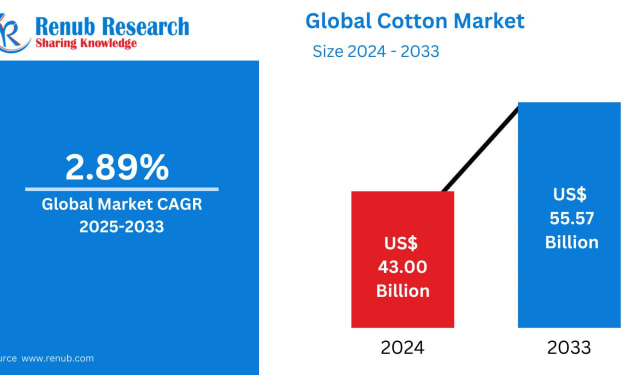
The global cotton industry is undergoing notable transformation as consumer demand, sustainability pressures, agricultural innovation, and trade policies collectively reshape the supply chain. According to Renub Research, the global cotton market was valued at USD 43.00 billion in 2024 and is expected to reach USD 55.57 billion by 2033, reflecting a modest yet steady CAGR of 2.89% from 2025 to 2033. Growth is underpinned by rising textile production, improved agricultural efficiency, and expanding applications of cotton in medical and industrial sectors.
By Renub Research2 months ago in The Swamp
Bruce Lee and The God of War: Kuan Ti
It starts with love.. The Power to the God Of War and Wealth Walk into a Chinese restaurant (even in Oklahoma, USA), a Chinese police station, a kung fu martial arts studio or even a Chinese temple and you often see a red faced warrior holding a heavy quan-do (spear like weapon).
By WILD WAYNE : The Dragon King4 days ago in Chapters


Comments
There are no comments for this story
Be the first to respond and start the conversation.