
Podcast: Why the Price of Gold Reflects a Long-Term Shift
Exploring economic trends, market dynamics, and global factors influencing gold prices over the long run
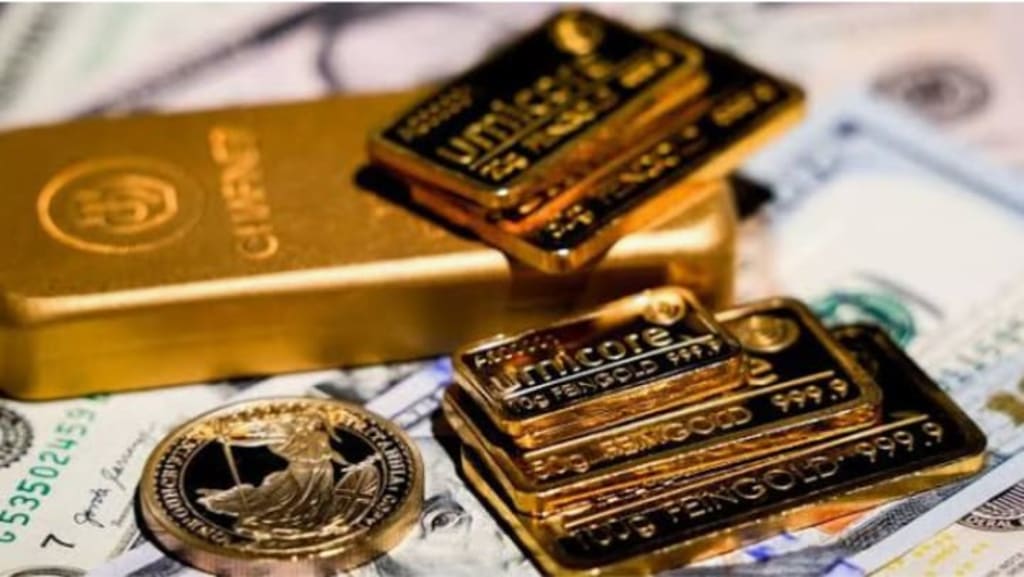
Gold has long been considered a safe-haven asset, prized for its ability to protect wealth during times of economic uncertainty. In 2026, gold’s price has continued to reflect a long-term shift in global financial markets, signaling broader changes in investor behavior, economic policies, and geopolitical trends. Recent podcasts and market analyses have highlighted why these changes are not merely short-term fluctuations, but part of a sustained transformation in how gold is valued worldwide.
Understanding Gold as a Long-Term Investment
Unlike stocks or bonds, gold has intrinsic value that is largely independent of corporate performance or government debt levels. Investors turn to gold for several reasons:
Inflation Hedge: Gold traditionally maintains value during periods of rising inflation, protecting investors from currency depreciation.
Diversification: Including gold in investment portfolios reduces overall risk by offsetting volatility in equities and fixed-income assets.
Safe-Haven Asset: During geopolitical or economic crises, gold is often seen as a reliable store of value.
Podcasts discussing gold prices emphasize that these factors have become even more pronounced in recent years due to changing economic policies, persistent global debt, and increased market volatility.
Factors Driving the Long-Term Shift in Gold Prices
Several interconnected factors are driving the long-term upward trend in gold prices:
Global Economic Uncertainty:
Economic slowdowns, fluctuating interest rates, and unpredictable inflation have pushed investors toward gold. Unlike currencies or stocks, gold’s value does not rely on a single economy, making it a safer alternative during uncertain times.
Monetary Policy and Central Banks:
Central banks around the world are holding unprecedented amounts of gold as part of their foreign reserves. Low-interest rates and quantitative easing policies in major economies have reduced the appeal of traditional fixed-income investments, redirecting investment toward gold.
Geopolitical Tensions:
Political instability, trade wars, and conflicts in resource-rich regions increase global risk perception. Gold prices tend to rise when uncertainty grows, reflecting its role as a hedge against geopolitical shocks.
Currency Fluctuations:
The U.S. dollar’s strength has historically been inversely related to gold prices. Recent currency fluctuations and concerns over long-term dollar devaluation have contributed to sustained interest in gold as a non-fiat asset.
Supply and Demand Dynamics:
Limited gold production, combined with increasing industrial and technological demand (including electronics and renewable energy), supports the long-term value of gold. Emerging markets, particularly India and China, also contribute significantly to gold demand, both culturally and economically.
Insights from Financial Podcasts
Podcasts focusing on gold investment provide unique insights into why prices reflect long-term trends:
Expert Interviews: Analysts and economists discuss macroeconomic factors, explaining how gold acts as a barometer for global economic health.
Market Analysis: Weekly and monthly reviews of price movements highlight investor sentiment and long-term expectations.
Historical Context: By comparing current trends to past gold cycles, podcasts help listeners understand how today’s economic environment differs from previous decades.
Listeners often gain actionable insights, learning not just about short-term trading but the strategic role gold plays in wealth preservation and portfolio diversification.
Long-Term Investment Strategies Involving Gold
Gold is not only for traders seeking immediate profit; it is increasingly being used as part of long-term investment strategies. These include:
Physical Gold Holdings: Investors purchase coins, bars, or bullion for tangible, direct ownership.
Gold ETFs and Funds: Exchange-traded funds allow investors to gain exposure to gold prices without physical storage concerns.
Gold Mining Stocks: Equity investments in gold-producing companies provide leveraged exposure to gold price movements.
Digital Gold Platforms: New fintech solutions enable fractional ownership and trading of gold, making it accessible to a wider audience.
Podcasts often emphasize that combining multiple approaches allows investors to balance risk while participating in the long-term appreciation of gold.
Global Implications of the Gold Shift
The sustained shift in gold prices has broader economic and geopolitical implications:
Monetary Policy Influence: Rising gold prices can impact central bank strategies, including interest rate decisions and currency interventions.
Emerging Market Investment Trends: Nations like India and China are increasingly allocating resources toward gold reserves, signaling a shift in global economic power.
Wealth Preservation: Institutional investors, sovereign funds, and high-net-worth individuals view gold as a hedge against long-term uncertainty, reinforcing its importance in global financial markets.
By reflecting broader economic realities, gold acts as both a financial instrument and a global economic indicator.
Why This Matters for Investors in 2026
For investors in 2026, understanding the long-term drivers of gold prices is critical. Short-term fluctuations often capture headlines, but the real story lies in sustained trends:
Inflation and monetary policies are unlikely to stabilize immediately.
Geopolitical risks continue to influence global trade and financial markets.
Technological and industrial demand ensures that gold remains in constant use, supporting its long-term value.
Podcasts provide a convenient platform to digest these complex trends, allowing both new and seasoned investors to make informed decisions.
Conclusion
The price of gold in 2026 reflects much more than short-term market sentiment—it is a barometer of global economic trends, monetary policy, and investor behavior. Podcasts dedicated to gold and investment strategies highlight why this shift is long-term, influenced by structural changes in the world economy, geopolitical risks, and changing investor priorities.
For investors, understanding these dynamics is essential to build resilient portfolios, protect wealth, and navigate uncertainty. As gold continues to adapt to modern market conditions, its role as a long-term hedge and safe-haven asset remains as relevant as ever, making it a crucial component of global financial strategy in 2026 and beyond.
About the Creator
Dollar Gains as Metals Slide Hurts Commodity Currencies
The U.S. dollar advanced this week as a combination of falling metal prices and investor caution put pressure on commodity-linked currencies. Metals such as gold and silver have recently experienced sharp declines, rattling markets that are closely tied to these resources. As a result, currencies from countries heavily dependent on commodity exports, such as the Australian dollar, Canadian dollar, and New Zealand dollar, have come under strain, while the U.S. dollar benefited from safe-haven inflows.
By Salaar Jamalia day ago in The Swamp
CME Raises Gold and Silver Margins After Historic Price Plunge
Titl Subtitle The precious metals market was shaken this week after a historic plunge in gold and silver prices triggered swift action from the CME Group, the world’s largest futures exchange. In response to extreme volatility and sharp losses, CME announced an increase in margin requirements for gold and silver futures, a move aimed at stabilizing trading conditions and reducing systemic risk.
By Salaar Jamalia day ago in The Swamp
A Love Forboding
The chipped stone slope caused unbearable footing. I slid, skirting on my heels. I cast my shield, relinquishing my guard to stay upright. Left with my double-edge and a prayer to the maker, I skated toward my objective. The earthly stubble gave way to solid ground. I found myself restored, a trail of dust in my wake.
By James U. Rizzi4 days ago in Fiction



Comments
There are no comments for this story
Be the first to respond and start the conversation.