
Pentagon Defends Restrictions on Media Outlets
Move sparks debate over press freedom and government transparency

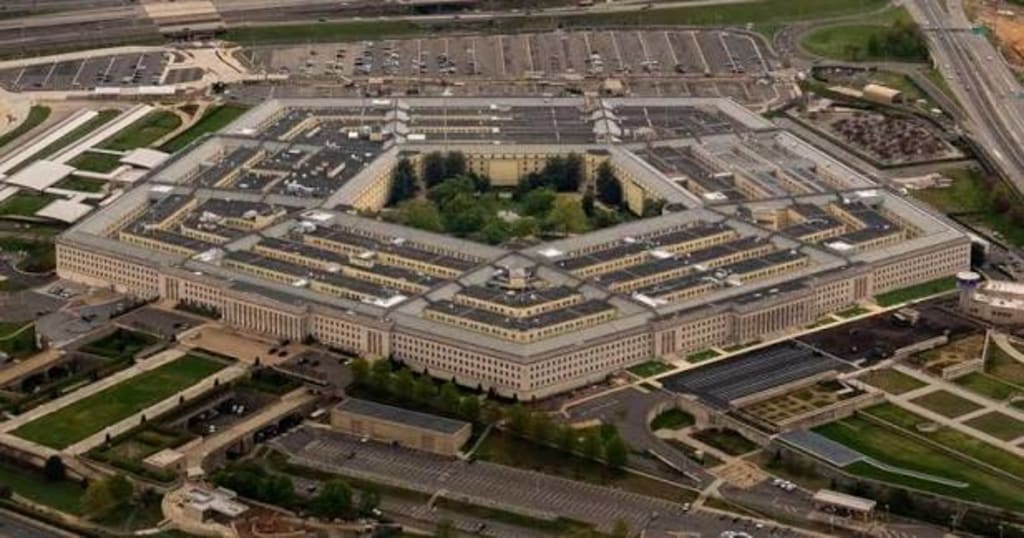
The United States Department of Defense has defended its recent decision to impose restrictions on certain media outlets, saying the measures are necessary to protect national security and ensure accurate reporting during sensitive military operations. The move has sparked debate among journalists, civil rights groups, and lawmakers, raising concerns about press freedom and government transparency.
Pentagon officials explained that the restrictions were not intended to silence criticism or limit independent journalism but to prevent the spread of classified or misleading information that could endanger troops and compromise ongoing missions. According to defense spokespeople, some reporting in recent weeks had included details about troop movements, operational planning, and military infrastructure that could be exploited by hostile actors.
National Security Concerns
The Pentagon stated that modern conflicts are no longer limited to physical battlefields. Information warfare has become a central part of global security challenges, with adversaries using media reports, social networks, and leaked data to gain strategic advantages.
“We are not restricting the press,” a senior Defense Department official said. “We are ensuring that sensitive operational details are not published in ways that could put American service members at risk.”
Officials emphasized that accredited journalists still have access to briefings, press conferences, and public military facilities. However, some outlets now face limitations on embedding with military units or attending certain classified briefings.
The Pentagon insists these decisions are based on security assessments rather than political pressure or content criticism.
Reaction from Media Organizations
Several major media organizations and journalist unions have criticized the Pentagon’s actions, arguing that the restrictions threaten the principles of a free and independent press.
Press advocacy groups say the government must not use national security as a blanket justification to control narratives or discourage investigative reporting. They fear that tighter rules could set a precedent for future limitations on journalists covering defense and foreign policy.
“This raises serious questions about transparency,” said a representative of a U.S. press freedom organization. “Journalists play a critical role in holding powerful institutions accountable. Restrictions must be narrowly defined and clearly justified.”
Some reporters have said that the new measures make it more difficult to verify information independently and could lead to greater reliance on official statements rather than on-the-ground reporting.
Legal and Constitutional Debate
The controversy has reignited debate over the balance between the First Amendment and national security responsibilities. Legal experts note that while the Constitution protects freedom of the press, it also allows the government to impose limits in cases where lives and military operations may be endangered.
Historically, the U.S. government has restricted certain information during wartime or sensitive operations, including during World War II and the War on Terror. However, critics argue that today’s restrictions appear broader and less clearly defined.
Civil liberties groups have called for clearer guidelines explaining exactly what information is considered restricted and how long the rules will remain in effect. Without transparency, they warn, trust between the military and the press could erode.
Global Implications
The Pentagon’s decision is also being closely watched internationally. The United States has long promoted press freedom as a democratic value and criticized authoritarian governments for censoring journalists. Some foreign observers argue that restrictions on American media could weaken U.S. moral authority on human rights and freedom of expression.
International journalist associations have urged the Pentagon to review its policies and engage in dialogue with news organizations to prevent misunderstandings and protect professional reporting standards.
Meanwhile, adversarial nations have pointed to the controversy as evidence that even democratic governments struggle with balancing security and transparency.
Pentagon’s Defense of the Policy
In response to criticism, Pentagon officials reiterated that the restrictions are temporary and targeted. They stressed that the measures apply only to specific circumstances involving classified or highly sensitive operations.
“Our goal is not to block coverage but to ensure that coverage does not unintentionally assist hostile forces,” the Pentagon said in a written statement.
Officials also noted that the military has worked closely with journalists for decades and values their role in informing the public. They pointed out that thousands of reporters continue to cover defense matters without interference.
The Pentagon has promised to review the policy regularly and adjust it as security conditions change.
Impact on Journalism
For journalists covering defense and national security, the situation presents new challenges. Reporters must navigate stricter rules while still fulfilling their responsibility to inform the public accurately and independently.
Some fear that reduced access will limit their ability to verify official claims and uncover mistakes or abuses. Others believe that cooperation between the military and the press can continue if clear boundaries are established.
Media experts say the outcome will depend largely on how the restrictions are enforced and whether dialogue continues between defense officials and journalists.
The Road Ahead
As debate continues, lawmakers have begun asking for briefings on the policy to determine whether it aligns with constitutional protections and democratic values. Congressional oversight could play a key role in shaping how the restrictions evolve.
The issue highlights a broader tension in modern democracies: how to protect national security in an age of instant information while preserving freedom of expression and accountability.
Whether the Pentagon’s decision will be remembered as a necessary security measure or as an overreach against press freedom remains to be seen. What is certain is that the controversy has opened a critical conversation about the future relationship between the military and the media in an era of global conflict and misinformation.
About the Creator
Fiaz Ahmed
I am Fiaz Ahmed. I am a passionate writer. I love covering trending topics and breaking news. With a sharp eye for what’s happening around the world, and crafts timely and engaging stories that keep readers informed and updated.
Keep reading
More stories from Fiaz Ahmed and writers in The Swamp and other communities.
Iran Army Chief Warns US, Israel Against Attack; Says Forces on High Alert
Iran’s top military leader has issued a stark warning to the United States and Israel, saying any aggressive action could trigger serious consequences and emphasizing that Tehran’s armed forces remain on high alert amid rising tensions in the Middle East. The statement underscores a growing standoff between Iran and Western powers, particularly as U.S. military deployments in the Gulf build up and diplomatic efforts lag.
By Fiaz Ahmed about 23 hours ago in The Swamp
What we know about Alex Pretti, the ICU nurse shot and killed in Minneapolis
For another individual to be gunned down in the street by ICE agents is appalling. Among the alphabet soup of government organizations that need to be abolished, ICE ranks among the highest. There is no reason for Alex Pretti to be dead right now. As a law-abiding citizen of the United States of America, he was exterminated because of his own individualism. The fact he had a right to carry a firearm shows that the Second Amendment only applies to only a few.
By Skyler Saunders7 days ago in The Swamp
Off the Book
It ended like every other stupid idea. Badly, and alone. I’m researching digital confession ethics, he said. A tech ethicist. He gestured at floating data I couldn’t see then pulled out a physical notebook. Actual paper, fountain pen. He held it up like he was showing me scripture.
By Nicky Frankly2 days ago in Fiction



Comments
There are no comments for this story
Be the first to respond and start the conversation.