
Pay-Per-Mile Tax for Electric Cars: What It Means for Drivers and the Future of Transportation
As electric vehicles rise in popularity, a new tax system could reshape how we think about driving and paying for the roads we

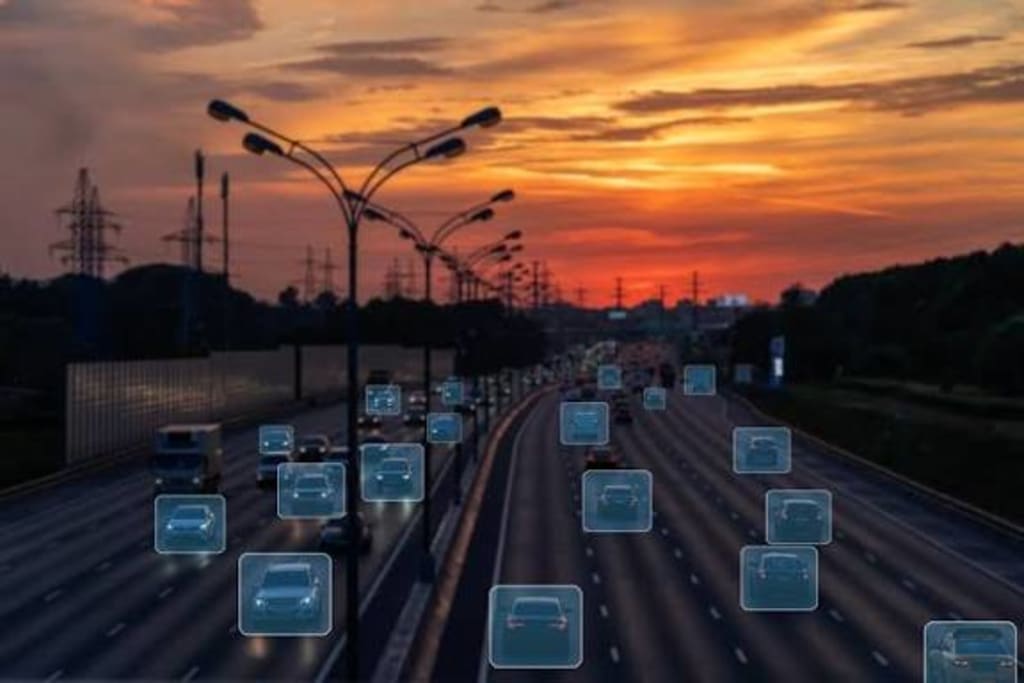
With the world shifting toward cleaner energy, electric cars are becoming a more common sight on the roads. Their eco-friendly appeal, lower operating costs, and reduced environmental impact have made them a popular choice for many. However, as electric vehicles (EVs) grow in numbers, governments are facing a new challenge: how to fund road maintenance and infrastructure without relying on traditional fuel taxes. Enter the concept of a pay-per-mile tax, a system that could fundamentally change how we pay for the roads we use—especially as more people switch to electric cars.
While the idea of paying for miles driven isn’t new, its application to electric vehicles brings up important questions about fairness, sustainability, and the future of transportation. Let’s explore how a pay-per-mile tax could work, why it’s being considered, and what it means for EV drivers and the broader transportation landscape.
---
What Is Pay-Per-Mile Tax?
A pay-per-mile tax (also known as a vehicle miles traveled tax or VMT tax) is a proposed system where drivers pay based on how many miles they drive, rather than the amount of fuel they consume. Traditional fuel taxes are the primary source of revenue used to maintain and improve roads, highways, and infrastructure. But as more drivers switch to electric vehicles, which don’t use gasoline or diesel, governments are losing out on this critical source of funding.
In a pay-per-mile system, drivers would track their mileage using technology, such as GPS devices or vehicle tracking apps, and then pay a fee based on the number of miles they’ve driven. This fee would help replace or supplement fuel taxes, ensuring that road infrastructure continues to be funded even as the number of gasoline-powered cars on the road declines.
---
Why a Pay-Per-Mile Tax for Electric Cars?
The transition to electric vehicles is a positive step for the environment, but it creates a funding gap for road maintenance. EVs don’t contribute to fuel taxes, which are used to fund transportation infrastructure projects such as road repairs, building new highways, and maintaining bridges. This gap means that EV drivers are benefiting from roads and highways without contributing to their upkeep.
For example, in the United States, gas taxes make up a significant portion of state and federal transportation funding. However, as electric cars become more common, governments are realizing that charging EVs an equivalent fuel tax is no longer a feasible solution. Instead, some lawmakers and transportation officials have proposed a pay-per-mile tax to make sure all drivers, including those with electric vehicles, help fund road infrastructure.
The idea is simple: if you use the roads, you should help pay for them—whether you drive a gasoline-powered car, a hybrid, or an electric vehicle.
---
How Would Pay-Per-Mile Tax Work for EV Drivers?
The implementation of a pay-per-mile tax for electric cars could vary depending on the country, state, or region, but here’s a general outline of how it might work:
1. Mileage Tracking: Drivers would need a system to track the number of miles they drive. This could be done via GPS technology, smartphone apps, or even devices installed in the vehicle that track mileage automatically. Some vehicles already have these tracking systems in place.
2. Tax Calculation: The tax rate would be based on the number of miles driven. For example, the government could charge a set fee per mile (e.g., 2 cents per mile), and at the end of the month or year, drivers would be required to pay based on their total mileage.
3. Payment System: Payment could be processed through the vehicle's tracking system or via annual registration fees, similar to how car insurance or registration is paid today.
In theory, the system would be simple to implement and could help ensure that all vehicles—regardless of fuel type—pay their fair share for the upkeep of public roads.
---
Advantages of Pay-Per-Mile Tax for Electric Cars
Fairer System: A pay-per-mile tax treats all drivers equally, regardless of the type of vehicle they drive. As more electric cars take to the roads, this system would help ensure that EV drivers contribute to road maintenance just as much as gasoline car drivers.
Encourages Smarter Driving: If the tax is based on mileage, it could encourage drivers to be more mindful of how much they drive. This could potentially reduce traffic and decrease environmental impact in urban areas.
Sustainability: As electric vehicles become a larger part of the transportation landscape, relying on fuel taxes will become less sustainable. A pay-per-mile tax would be a way to future-proof the transportation funding model, ensuring it continues to work in the long term.
---
Challenges of Pay-Per-Mile Tax
While the concept of a pay-per-mile tax sounds fair in theory, it also comes with a few challenges:
Privacy Concerns: Tracking how far people drive using GPS or other technology could raise privacy issues. Many people are concerned about having their movements monitored, and there would need to be clear rules about how data is used and protected.
Implementation Costs: Setting up a nationwide or statewide pay-per-mile system would require significant infrastructure and investment. Vehicles would need to be equipped with tracking devices, and the government would need to manage billing and payments.
Uneven Impact: For drivers in rural areas, a pay-per-mile tax could be unfair, as they tend to drive longer distances on roads that are less congested. In contrast, urban dwellers may drive fewer miles but face heavier traffic, meaning they would pay more for using heavily used infrastructure.
Acceptance: Drivers are used to paying for fuel taxes and may resist a new tax system, especially if it feels like an additional burden on top of existing costs of owning a car.
---
The Future of Transportation and Pay-Per-Mile Tax
As electric vehicles become more widespread, the idea of a pay-per-mile tax is gaining traction as a potential solution to the funding gap. Although there are still concerns about how it would work in practice, the pay-per-mile system could represent a more equitable and sustainable approach to financing transportation infrastructure in a future dominated by electric cars.
In the coming years, governments will likely continue to explore this option as part of their efforts to transition to greener, more sustainable transportation systems. The success of such a tax system will depend on how well it balances fairness, privacy concerns, and practicality.
For now, EV drivers can rest assured that, while the pay-per-mile tax may be an idea on the table, its widespread implementation is still in the early stages. However, it’s a step in the right direction toward a more sustainable, equitable future for all drivers, whether electric or gasoline-powered.
---
About the Creator
Fiaz Ahmed
I am Fiaz Ahmed. I am a passionate writer. I love covering trending topics and breaking news. With a sharp eye for what’s happening around the world, and crafts timely and engaging stories that keep readers informed and updated.
Keep reading
More stories from Fiaz Ahmed and writers in The Swamp and other communities.
Understanding the Bank of England Base Rate: What It Means for You and the Economy
When the Bank of England (BoE) announces a change in its base rate, headlines fill the news, financial experts start debating, and households across the UK wonder what it means for them. But beyond the numbers and jargon, the base rate plays a huge role in shaping the economy—from how much you pay on your mortgage to the interest you earn on your savings.
By Fiaz Ahmed 2 months ago in The Swamp
Shock and Anger in Minneapolis: Protests Erupt After Woman Killed by U.S. Immigration Agent
The city of Minneapolis once again found itself at the center of national attention after protests erupted following the fatal shooting of a woman by a U.S. immigration agent. Demonstrators poured into the streets demanding answers, accountability, and justice, as grief and anger spread through communities already sensitive to issues of policing and federal enforcement. The incident has not only shaken the local community but has also reopened broader debates about the role of immigration authorities, the use of force, and the fragile trust between law enforcement and the public in the United States. What Happened? According to preliminary official statements, the woman was shot during an encounter involving a U.S. immigration enforcement officer. Authorities have confirmed her death but have released limited details about the circumstances, citing an ongoing investigation. Witness accounts and early reports vary, contributing to public frustration and suspicion. What is clear, however, is that the involvement of a federal immigration agent — rather than local police — has intensified scrutiny and raised urgent questions about jurisdiction, oversight, and operational conduct. In the hours following the shooting, news of the woman’s death spread rapidly through Minneapolis, triggering spontaneous gatherings that soon grew into organized protests. Protests Fill the Streets By evening, demonstrators had taken to major intersections and public spaces across Minneapolis. Protesters carried signs reading “Justice Now,” “No More Killings,” and “End Violent Enforcement,” while chanting demands for transparency and the release of body-camera footage. Community organizers emphasized that the protests were not only about one incident but about longstanding fears surrounding immigration enforcement practices, particularly in communities of color. While the demonstrations were largely peaceful, the emotional weight was undeniable. For many residents, the shooting reopened wounds left by previous high-profile deaths involving law enforcement in the city. Why Immigration Enforcement Is Under the Spotlight U.S. immigration agencies, such as Immigration and Customs Enforcement (ICE), primarily focus on civil enforcement — detentions, deportations, and investigations related to immigration status. Unlike local police departments, they often operate with less public visibility. Critics argue that this lack of transparency creates dangerous gaps in accountability, especially when enforcement actions intersect with everyday community life. The fatal shooting in Minneapolis has intensified concerns about: Rules governing the use of deadly force by immigration agents Oversight of federal officers operating within cities Coordination — or lack thereof — between federal and local authorities The psychological impact of aggressive enforcement on immigrant communities Supporters of strict enforcement counter that agents face unpredictable and sometimes dangerous situations, but protesters argue that this cannot justify loss of civilian life. A City Shaped by History Minneapolis carries a unique historical context when it comes to police violence and public protest. The city became a global symbol of racial justice movements following the 2020 killing of George Floyd. That history has shaped how residents respond to incidents involving law enforcement. There is deep public sensitivity, a heightened expectation of accountability, and little patience for delayed or incomplete explanations. For many protesters, the shooting by an immigration agent felt like a continuation of a broader pattern, rather than an isolated tragedy. Official Responses and Investigations Federal authorities have stated that the shooting is under investigation and that standard procedures are being followed. Local officials have called for calm while acknowledging the community’s right to protest. Civil rights groups, however, are urging an independent investigation, arguing that internal reviews alone are insufficient to restore public trust. Elected officials at both city and state levels have demanded clarity on: Whether the agent was acting alone or as part of a task force What threat, if any, prompted the use of lethal force Whether body cameras or surveillance footage exist So far, the lack of detailed information has only fueled speculation and anger. Immigration Policy Meets Public Safety The incident arrives at a time when immigration policy remains one of the most divisive issues in American politics. Debates over border security, deportations, and federal enforcement powers dominate national discourse. For immigrant communities, the presence of federal agents is often associated with fear rather than protection. Advocates argue that aggressive enforcement strategies discourage people from cooperating with authorities, even in emergencies. The Minneapolis shooting underscores how immigration enforcement is no longer just a policy issue — it is a public safety issue with real human consequences. Community Voices and Grief Vigils have been held in honor of the woman who was killed, with candles, flowers, and handwritten messages lining sidewalks. Speakers at these gatherings emphasized compassion for the victim’s family and called for systemic change rather than temporary outrage. Faith leaders, activists, and local residents have urged authorities to listen rather than react defensively. “This isn’t just about one woman,” one protester said. “It’s about whether our lives are treated as disposable.” What Comes Next? As investigations continue, the future impact of the shooting remains uncertain. Protests are expected to continue until authorities provide clearer answers and demonstrate accountability. Legal experts note that the case could influence future policy discussions about: Limits on federal enforcement operations in cities Mandatory body cameras for immigration agents Stronger civilian oversight mechanisms Whether meaningful reform follows will depend largely on transparency — and on whether officials respond to public demands with action rather than rhetoric. Final Thoughts The death of a woman at the hands of a U.S. immigration agent has once again forced Minneapolis — and the nation — to confront difficult questions about power, accountability, and human dignity. In a city already shaped by protest and pain, the message from the streets is clear: justice delayed is justice denied. As demonstrators continue to march, one truth remains unavoidable — without trust, enforcement becomes fear, and without accountability, tragedy repeats itself.
By Muhammad Hassan3 days ago in The Swamp
FPS: The Last Flame Challenge Winners
Welcome to our first Winners Announcement of the year and to the final challenge in the Fall Poetry Series. The Last Flame invited writers to sit with endings, using fire as a central image to consider what remains when something burns out: ash, warmth, memory, silence, or the faint promise of what comes next. The strongest pieces treated endings as gradual rather than sudden, allowing them to flicker, dim, and linger.
By Vocal Curation Team4 days ago in Resources


Comments
There are no comments for this story
Be the first to respond and start the conversation.