
Pakistan’s Military Sentences Former Spy Chief to 14 Years: A Turning Point in Civil–Military Accountability
The unprecedented sentencing of a former intelligence chief signals major changes in Pakistan’s civil–military landscape.

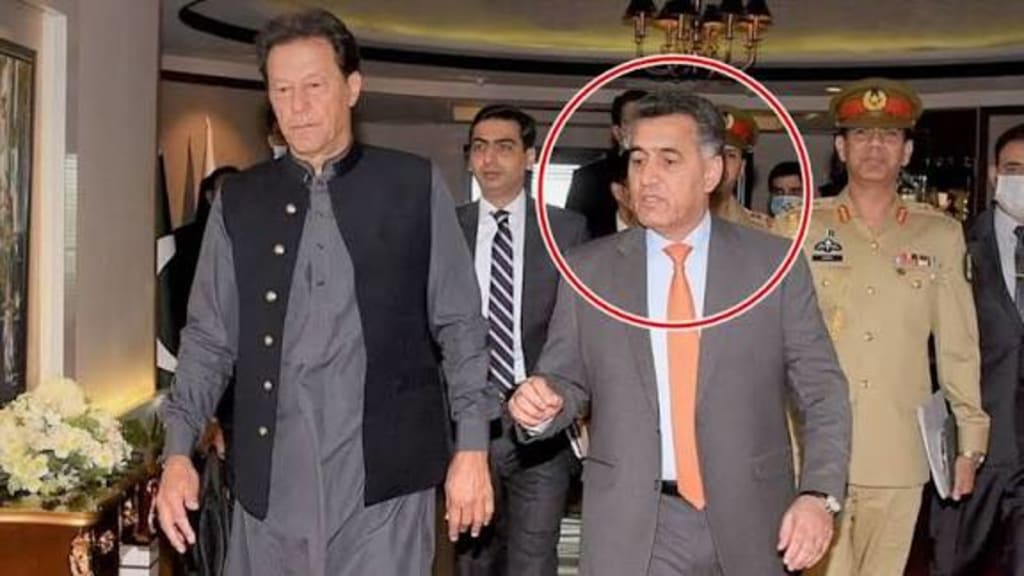
In a move that has sent shockwaves across Pakistan’s political and military landscape, the country’s powerful military establishment has sentenced a former senior intelligence chief to 14 years in jail. The decision marks one of the rare moments in Pakistan’s history where a high-ranking figure from within the security apparatus faces such serious consequences. For a nation long shaped by complex civil-military dynamics, this development represents far more than a single conviction—it reflects shifting power balances, internal accountability, and a changing national narrative.
The sentencing has sparked nationwide debate. Analysts, political leaders, journalists, and ordinary citizens are discussing what this means for Pakistan’s future, especially at a time when trust in institutions is already under intense scrutiny. The move reinforces the message that even the most powerful individuals can be held accountable for their actions, whether related to corruption, misuse of authority, or violations of the military code.
A Rare Conviction Inside Pakistan’s Most Powerful Institution
Pakistan’s military, widely considered the most influential institution in the country, has long been viewed as resistant to internal scrutiny. High-ranking officers often operated behind layers of secrecy, protected by tradition, hierarchy, and national security laws. But the 14-year sentence handed to the former spy chief signals a significant shift.
The conviction reportedly stems from serious disciplinary and legal violations, though full details remain classified. What is known is that the charges were substantial enough to result in a closed military trial and a punishment far harsher than many expected. While official statements remain brief, the decision clearly signals the military’s increasing willingness to police its own ranks—especially in an era when public calls for transparency and accountability are louder than ever.
For decades, intelligence agencies in Pakistan have played central roles in political negotiations, national security strategies, and counterterrorism operations. A conviction at this level is therefore not just a legal milestone—it is a symbolic message that no position is too senior for scrutiny.
Public Reaction: Shock, Debate, and the Demand for Transparency
The public response has been mixed but intense. Many were surprised that a former intelligence chief—a position usually protected by secrecy—would face such a publicized outcome. Social media platforms erupted with commentary, theories, and analysis, reflecting how deeply invested Pakistani society is in matters related to power and governance.
Some praised the military’s internal accountability system, viewing the sentence as a positive step toward institutional integrity. Others expressed skepticism, arguing that without detailed information, the public remains in the dark about what truly led to the conviction.
Yet one point of agreement stands out: Pakistan is witnessing a rare moment where powerful institutions appear more willing to confront internal misconduct, even if under public pressure.
A Broader Sign of Changing Power Dynamics
Pakistan’s political environment has always been deeply intertwined with the military. From influence over foreign policy to involvement in political transitions, the military’s role has been undeniable. But in recent years, the nation has seen heightened political tensions, shifting alliances, and an increasingly active civil society demanding transparency.
The sentencing of a former spy chief can be viewed as part of this larger shift. It suggests:
Greater internal discipline within the ranks
Pressure from the public and media for accountability
A strategic move to maintain institutional credibility
A signal to lower-ranking officers that misconduct will not be tolerated
This development also sends a message internationally: Pakistan’s institutions, though complex, are evolving and responding to internal and external pressures for reform.
The Bigger Question: What Does This Mean for Pakistan’s Future?
While the sentence itself is a significant event, its long-term impact will depend on what follows. Will this lead to greater transparency within state institutions? Will it inspire reforms in intelligence oversight? Or will it remain a singular case without deeper structural change?
Many analysts believe this moment could mark the beginning of a new era of accountability, one in which no official—military or civilian—is beyond question. Others caution that real progress requires consistent and transparent processes, not isolated actions.
What is certain is that Pakistan is entering a period of increased public awareness. Citizens today expect answers, demand openness, and want institutions to operate fairly. The conviction resonates because it speaks directly to these expectations.
Conclusion
The sentencing of Pakistan’s former spy chief to 14 years in jail represents a historic moment for the country. It highlights the rarely seen inner workings of the nation’s most powerful institution and sets a strong precedent for accountability. At a time when Pakistan faces political challenges, economic pressures, and public distrust, such steps—if continued—can help strengthen institutional credibility and public confidence.
Whether this moment becomes a turning point or remains a symbolic gesture will depend on the transparency and reforms that follow. But for now, the message is clear: even the highest positions in Pakistan’s power structure are not immune to consequences.
About the Creator
Fiaz Ahmed
I am Fiaz Ahmed. I am a passionate writer. I love covering trending topics and breaking news. With a sharp eye for what’s happening around the world, and crafts timely and engaging stories that keep readers informed and updated.
Keep reading
More stories from Fiaz Ahmed and writers in The Swamp and other communities.
Thousands Flee Thai–Cambodia Border After Deadly Clashes
As violence reignites along the long-disputed border between Thailand–Cambodia border, tens of thousands of civilians have been forced to abandon their homes in panic and fear. Renewed fighting, including air-strikes and ground attacks, has once again exposed how fragile peace is in one of Southeast Asia’s most contentious zones. The crisis has displaced families, destroyed livelihoods, and added urgent pressure on regional diplomacy and humanitarian agencies.
By Fiaz Ahmed about a month ago in The Swamp
Trump Threatens Tariffs on Nations That ‘Don’t Go Along’ With Greenland Plans
When former President Donald Trump speaks about global politics, controversy often follows. His latest remarks are no exception. Trump has once again reignited international debate by threatening economic tariffs against countries that refuse to support his plans involving Greenland, a territory that has unexpectedly become a focal point in global geopolitics.
By Aqib Hussain3 days ago in The Swamp



Comments
There are no comments for this story
Be the first to respond and start the conversation.