
Only 12 Palestinians Entered Egypt from Gaza on the First Day of Rafah Border Reopening
A fragile step toward relief amid ongoing humanitarian crisis

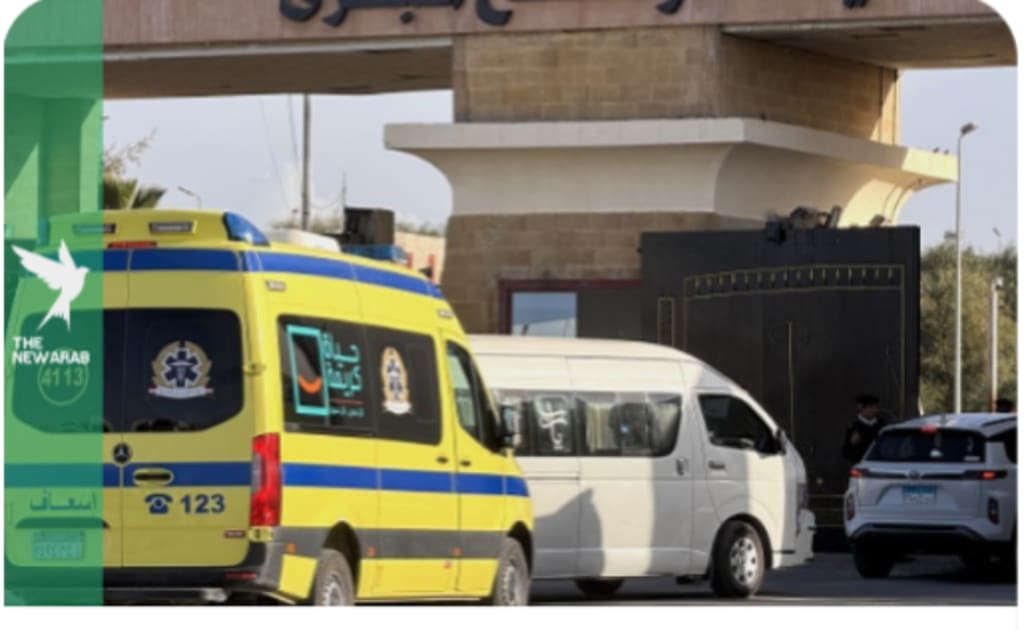
When the Rafah border crossing between Gaza and Egypt reopened after months of closure, many Palestinians hoped it would mark the beginning of relief from isolation and suffering. The crossing is Gaza’s only gateway to the outside world not controlled by Israel, and its reopening carried strong symbolic and humanitarian meaning.
However, reality quickly set in. On the first day of operations, only 12 Palestinians were able to enter Egypt. This small number highlighted just how limited and fragile the reopening truly was, leaving thousands still waiting for medical care, freedom of movement, and a chance to escape worsening conditions inside Gaza.
Why the Rafah Crossing Matters
The Rafah border crossing has long been a lifeline for Gaza’s population. It allows people to travel for medical treatment, education, work, and family reunification. When it closed during intensified conflict and military operations, Gaza became almost entirely sealed off from the outside world.
For nearly two years, residents have endured severe shortages of food, medicine, clean water, and electricity. Hospitals were damaged or destroyed, and many patients requiring urgent surgery or specialized care were trapped with no way out. In this context, the reopening of Rafah was seen as more than a political move—it was a humanitarian necessity.
Yet the limited number of people allowed through on the first day showed that the crossing is still operating under heavy restrictions.
Who Was Allowed to Cross?
According to border officials, those permitted to enter Egypt on the first day were mostly injured or seriously ill patients, accompanied by a small number of relatives. These individuals had been pre-approved after long screening processes.
While this was a positive step for the few who managed to cross, it barely scratched the surface of Gaza’s needs. Local health authorities estimate that tens of thousands of patients require medical evacuation. Children with chronic illnesses, cancer patients, and those wounded in the conflict remain on waiting lists with uncertain futures.
For families standing near the crossing with bags packed and documents ready, the disappointment was painful. Many had hoped the opening would allow hundreds to leave daily, but the slow pace dampened those expectations.
A Humanitarian Crisis Still Unfolding
The small number of crossings highlights the broader humanitarian disaster inside Gaza. Most hospitals are operating far beyond capacity or are no longer functional. Doctors face shortages of anesthesia, antibiotics, and even basic equipment. Power cuts make it difficult to keep patients alive, especially those dependent on machines.
Beyond healthcare, daily life remains extremely difficult. Displaced families live in overcrowded shelters with limited access to food and clean water. Unemployment is widespread, and psychological trauma continues to grow among adults and children alike.
In such conditions, the reopening of Rafah felt like a ray of hope—but one that is still very faint.
Political and Security Concerns
The limited reopening is tied to fragile ceasefire agreements and intense political negotiations involving Israel, Egypt, and international mediators. Security checks remain strict, and movement is tightly controlled.
Israel has insisted on heavy screening to prevent weapons or militants from crossing. Egypt has also taken a cautious approach, seeking to balance humanitarian responsibilities with security concerns in the Sinai region.
International organizations have welcomed the reopening but criticized its scale. Aid groups argue that allowing only a dozen people per day is far from enough to meet the massive needs of Gaza’s population.
Daily Limits and Slow Procedures
Officials previously suggested that up to 50 people per day might be allowed to cross in each direction. However, the first day’s result showed that logistical challenges, paperwork delays, and security reviews significantly slow down the process.
In addition, the crossing remains closed to commercial goods and large-scale humanitarian supplies. This means food, fuel, and medicine still face restrictions, keeping Gaza dependent on limited aid routes that often experience delays.
Long lines, uncertainty, and exhaustion have become common sights near the crossing, where families wait for hours only to be told they must return another day.
Voices of Hope and Frustration
For those who managed to cross, the moment was emotional. Some patients were transported directly to Egyptian hospitals for urgent care. Their families expressed gratitude but also sadness for those left behind.
For the thousands still waiting, the crossing’s reopening feels incomplete. Many fear that political tensions could once again shut the gate without warning. Others worry that they may never receive approval in time for their medical needs.
Local officials have said the low number on the first day does not reflect the full potential of the plan and that more people may be allowed through in the coming days. Whether this promise will be fulfilled remains uncertain.
A Door Opened, But Only Slightly
The reopening of the Rafah border crossing is an important milestone after months of isolation and suffering. Yet the fact that only 12 Palestinians entered Egypt on the first day shows how limited that progress remains.
For Gaza’s population, this small opening is not yet a solution—it is only a beginning. The humanitarian crisis continues, and the need for expanded movement, medical evacuation, and aid access remains urgent.
Until the crossing allows meaningful numbers of people and supplies to pass through, hope will remain cautious, fragile, and painfully slow.
About the Creator
Sajida Sikandar
Hi, I’m Sajida Sikandar, a passionate blogger with 3 years of experience in crafting engaging and insightful content. Join me as I share my thoughts, stories, and ideas on a variety of topics that matter to you.
Keep reading
More stories from Sajida Sikandar and writers in The Swamp and other communities.
Elon Musk’s Grok Is Still Undressing Men
When Elon Musk launched Grok, his ambitious new AI platform, the tech world expected a bold, innovative competitor to ChatGPT, Google Bard, and other advanced conversational AI tools. What they didn’t expect, however, was the ongoing controversy around the AI’s problematic responses, particularly its disturbing tendency to “undress men” in generated images or text.
By Sajida Sikandarabout 22 hours ago in The Swamp
IMF Prepares for Global Run on the US Dollar
The International Monetary Fund (IMF) is reportedly preparing for a potential global run on the US dollar, a scenario that could have profound implications for international finance, trade, and economic stability. While the dollar has long been the world’s primary reserve currency, rising geopolitical tensions, monetary policy shifts, and trade imbalances have raised concerns about its resilience.
By Aarif Lashari6 days ago in The Swamp



Comments
There are no comments for this story
Be the first to respond and start the conversation.