
IMF Prepares for Global Run on the US Dollar
Why the World Is Watching America’s Currency
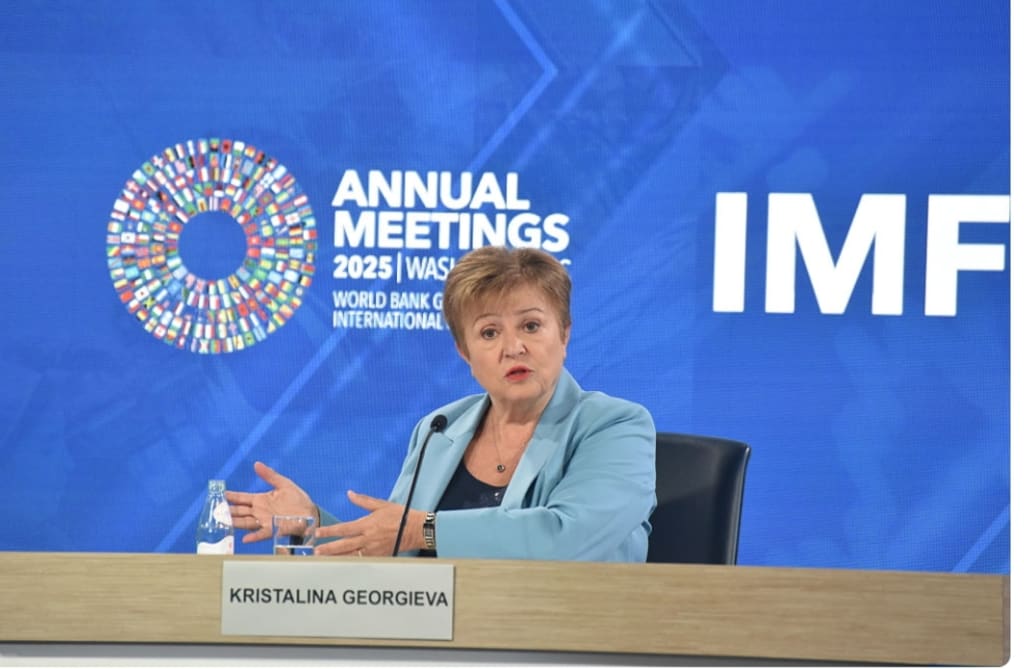
The International Monetary Fund (IMF) is reportedly preparing for a potential global run on the US dollar, a scenario that could have profound implications for international finance, trade, and economic stability. While the dollar has long been the world’s primary reserve currency, rising geopolitical tensions, monetary policy shifts, and trade imbalances have raised concerns about its resilience.
For decades, the US dollar has been seen as a safe haven, the currency against which global markets benchmark value. Now, policymakers and financial institutions are closely monitoring whether global confidence in the dollar might falter—and how to respond if it does.
The Dollar’s Global Role
The US dollar is central to the global financial system:
Over 60% of global reserves are held in dollars.
The majority of international trade, from oil to commodities, is priced in dollars.
Many emerging-market countries borrow in dollars, making their economies sensitive to its fluctuations.
This dominance has benefits for the United States, including lower borrowing costs and influence over international finance. However, it also means that instability in the dollar could trigger widespread economic ripple effects.
Factors Fueling Dollar Concerns
Several factors have prompted the IMF and global financial institutions to prepare for potential stress on the dollar:
US Monetary Policy: Interest rate hikes by the Federal Reserve, while aimed at controlling inflation, can tighten liquidity worldwide and affect dollar demand.
Fiscal Deficits and Debt: Growing US national debt has sparked concerns about long-term confidence in the currency.
Global Diversification: Countries such as China and Russia are exploring ways to reduce dependence on the dollar in trade settlements.
Geopolitical Tensions: Sanctions, trade wars, and political instability may encourage countries to diversify away from dollar holdings.
Together, these pressures could contribute to a shift in investor behavior, potentially triggering a rapid outflow from dollar-denominated assets—a “run” on the currency.
IMF’s Preparedness Measures
The IMF, as a global financial watchdog, has tools to mitigate shocks and stabilize currencies:
Special Drawing Rights (SDRs): The IMF can allocate SDRs, a basket of international currencies, to provide liquidity to member nations.
Emergency Funding Lines: Countries at risk of losing access to dollars can tap IMF facilities to stabilize their reserves.
Policy Guidance: The IMF advises nations on fiscal, monetary, and exchange rate policies to manage currency risks.
These measures aim to prevent panic and maintain confidence in the global financial system, especially in regions heavily reliant on the US dollar.
Potential Global Impacts
A sudden global run on the dollar would not just affect the United States. Economists warn of far-reaching consequences:
Emerging Markets: Countries that hold significant dollar debt could face default risks if the dollar strengthens sharply.
Trade Disruptions: Companies reliant on dollar pricing may experience volatility in import/export costs.
Commodity Markets: Oil, gold, and other commodities priced in dollars could see price spikes, impacting global supply chains.
Financial Market Turbulence: Stock and bond markets could experience sharp declines due to uncertainty and liquidity constraints.
The interconnectedness of modern economies means that even localized runs on the dollar could trigger global economic ripple effects.
Historical Context
While the dollar remains dominant, history shows that even reserve currencies are not immune to crises. Notable examples include:
The British Pound in the 20th Century: Once the world’s reserve currency, the pound’s dominance declined after WWII due to economic strain and inflation.
The Asian Financial Crisis (1997-1998): Sudden capital flight in multiple countries illustrated how currency confidence can evaporate quickly.
The 2008 Global Financial Crisis: The dollar briefly saw unusual fluctuations as liquidity dried up, even as it remained a safe haven.
These examples underline why the IMF is keen to anticipate potential runs rather than reacting after crises occur.
Responses from Global Policymakers
Governments and central banks are taking note:
Diversification Strategies: Some nations are increasing reserves in euros, yuan, and gold to reduce dollar dependence.
Bilateral Agreements: Countries are exploring trade settlements in local currencies to reduce exposure to dollar fluctuations.
Coordinated Policy: International institutions are discussing coordinated interventions to stabilize financial markets if dollar confidence falters.
Such measures reflect the growing awareness of systemic risks posed by the dollar’s central role.
Why Investors Should Watch Closely
For investors, a potential global run on the US dollar is both a risk and an opportunity:
Hedging Strategies: Diversifying into other currencies, commodities, or assets can reduce exposure.
Safe-Haven Assets: Gold, stable government bonds, and certain currencies may see increased demand.
Volatility Management: Understanding geopolitical and policy shifts helps investors prepare for short-term turbulence.
Being proactive and informed is key to navigating the uncertain environment surrounding the world’s most important currency.
Conclusion: The Dollar in a Changing World
The IMF’s preparations for a potential global run on the US dollar highlight a fragile balance between confidence and instability in international finance. While the dollar’s dominance remains strong, factors like geopolitical tensions, fiscal policies, and global diversification could challenge its position in the coming years.
For policymakers, central banks, and investors, the message is clear: vigilance, coordination, and strategic planning are essential to maintain stability. The dollar may still be the world’s reserve currency, but history and recent developments remind us that even the strongest currencies require careful stewardship.
About the Creator
Keep reading
More stories from Aarif Lashari and writers in The Swamp and other communities.
Stable Genius? How a Defective ‘Crying Horse’ Toy Went Viral in China
In the fast-moving world of Chinese social media, even the smallest anomaly can capture the public’s imagination. A defective toy, intended to be a simple collectible, recently became a viral sensation in China: the “crying horse”, a plastic figurine whose exaggerated weeping expression sparked laughter, memes, and widespread online discussion.
By Aarif Lashariabout 18 hours ago in The Swamp
American Warship Begins Patrol of European Waters
US Navy strengthens presence amid rising geopolitical tensions An American warship has begun a routine patrol of European waters, marking the latest in a series of naval deployments aimed at maintaining stability and supporting allied nations. Officials say the patrol is part of the US Navy’s ongoing commitment to regional security, freedom of navigation, and maritime readiness. The deployment comes amid heightened attention to European security, with recent tensions in the region prompting closer cooperation between the United States and NATO allies. Details of the Patrol The warship, identified by officials as part of the US Navy’s Atlantic Fleet, departed from its home port earlier this week and is scheduled to operate in key strategic areas. The ship will conduct training exercises, maritime surveillance, and joint operations with allied navies during its deployment. Patrols like this are routine but strategically significant. They allow the Navy to monitor maritime traffic, respond quickly to potential threats, and demonstrate commitment to allies. Why European Waters Are Important European waters are home to some of the busiest shipping lanes in the world, connecting major economies and supporting global trade. In addition, the region has been central to NATO operations and multinational military exercises for decades. Maintaining a US naval presence in these waters helps: Ensure freedom of navigation in international waters Support allied nations in joint exercises and strategic planning Respond quickly to potential security threats or emergencies Analysts note that these patrols are not only defensive but also serve as a signal of deterrence to any actors who might threaten regional stability. Strengthening Ties With Allies During the patrol, the warship will participate in joint exercises with NATO and other European partners. These exercises focus on: Maritime defense coordination Anti-submarine operations Search and rescue drills Cybersecurity measures for naval operations Officials emphasize that working closely with allies ensures interoperability and readiness across nations, which is essential in responding to regional crises or conflicts. Routine Operations With Strategic Importance While this patrol is described as routine, its timing carries strategic weight. European security concerns, particularly in areas near Eastern Europe and the North Atlantic, have increased in recent years. The deployment demonstrates the US commitment to collective security agreements and reassures partners that maritime cooperation remains strong. In addition to patrolling and exercises, the ship will also gather intelligence on maritime conditions and shipping patterns, which helps the Navy maintain situational awareness. Technology and Capabilities of the Warship Modern US Navy warships are equipped with advanced radar systems, sensors, and communication technologies that allow them to operate effectively across vast ocean regions. This particular ship also carries: Missile defense systems Anti-air and anti-ship capabilities Advanced sonar for submarine detection Helicopter and drone support for reconnaissance These capabilities enable the vessel to respond to multiple threats simultaneously, making it a versatile asset for both defense and deterrence. Impact on Regional Security Analysts say that visible US naval presence in European waters can: Deter potential aggression by signaling military readiness Provide reassurance to allies about US commitments under NATO Encourage cooperation and dialogue among regional actors While no immediate threats have been reported, the patrol underscores the importance of proactive defense measures. Community and Environmental Considerations US Navy deployments also follow strict environmental and safety guidelines. Activities are coordinated to minimize disruption to civilian shipping and marine ecosystems. Officials note that training exercises and patrols are planned with careful attention to environmental impact. Moreover, ports and coastal communities benefit from occasional resupply stops, which bring economic activity and logistical support to the region. Looking Ahead The patrol is expected to last several weeks, during which the warship will complete its scheduled operations and participate in joint drills with European navies. Analysts believe that such deployments are likely to continue as part of the US’s long-term strategy to maintain a secure and stable maritime environment in Europe. Military observers note that routine patrols like this are crucial for preparedness, providing real-world experience for crews while supporting diplomatic and defense objectives. Conclusion The US Navy’s patrol of European waters is a clear demonstration of commitment to allied security, maritime readiness, and strategic presence. While described as routine, the deployment carries significant weight amid global geopolitical uncertainties. By maintaining a visible presence, conducting joint exercises, and ensuring readiness, the Navy strengthens both regional stability and international cooperation. For allied nations and global observers alike, the patrol highlights the enduring importance of a well-prepared and responsive naval force.
By Fiaz Ahmed 2 days ago in The Swamp
Supreme Court Appears Likely to Allow Lisa Cook to Remain on Fed Board
The U.S. Supreme Court appears inclined to allow Federal Reserve Governor Lisa Cook to remain on the Fed’s board, signaling strong judicial support for the independence of the nation’s central bank. During recent proceedings, the justices expressed skepticism toward arguments that would expand presidential authority to remove Federal Reserve officials at will, a move that critics warn could politicize monetary policy and unsettle global financial markets.
By Muhammad Hassan7 days ago in The Swamp
One Hard Thing
Stop me if you’ve heard this one before: You have the number, you know your schedule- you’ve even picked out the perfect day and time to make this appointment. Shoot, you’ve even picked out alternative days and times just in case their schedules can’t accommodate you!
By Taylor Rigsby3 days ago in Motivation


Comments
There are no comments for this story
Be the first to respond and start the conversation.