
One of the Injured Women Later Died in Hospital, Bringing Total Death Toll to At Least 15
Mediterranean Tragedy Raises Urgent Questions About Migrant Safety and Sea Operations
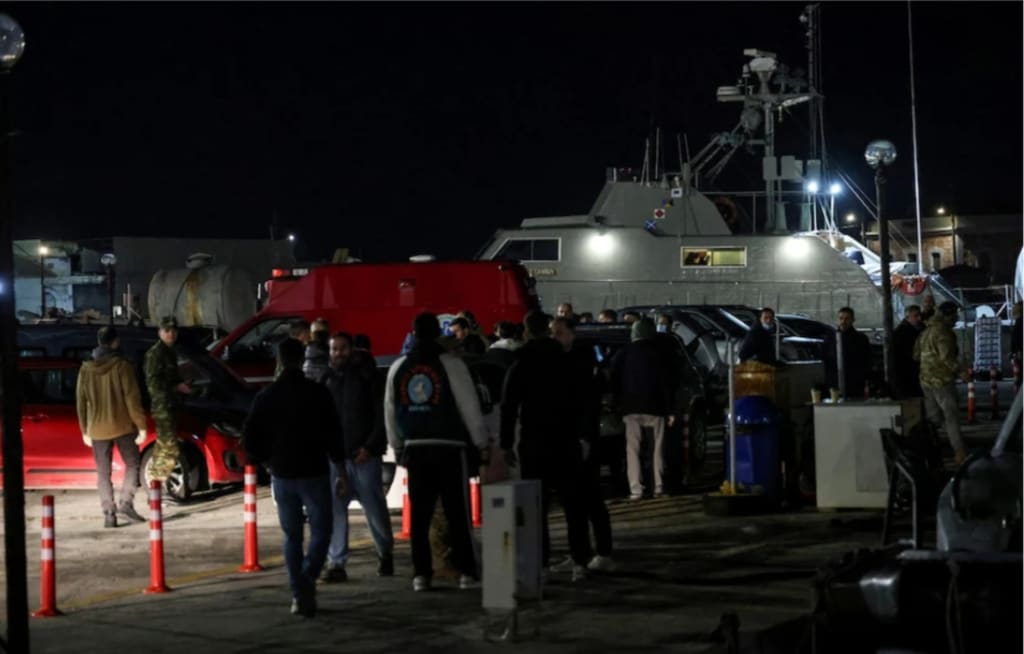
A devastating maritime incident has claimed at least fifteen lives after one of the injured women rescued from a migrant boat collision later died in hospital, according to coast guard officials. The tragedy, which unfolded in waters commonly used by migrants attempting to reach Europe, highlights the ongoing risks faced by thousands who attempt the dangerous Mediterranean crossing each year.
Rescue operations initially saved several passengers, many of whom were suffering from injuries, dehydration, and shock. However, medical teams later confirmed that one of the critically injured women did not survive, increasing the death toll and deepening concerns about migrant safety and maritime enforcement practices in the region.
Timeline of the Incident
The migrant vessel was reportedly carrying dozens of people when it encountered a coast guard patrol. During the interaction, the two vessels collided, causing chaos among passengers and forcing many into the sea.
Emergency teams were deployed quickly, pulling survivors from the water and transporting the injured to hospitals. Medical staff worked to stabilize several critical patients, but one woman later succumbed to her injuries, according to official statements.
Authorities have launched a formal investigation into the incident, examining navigation conditions, weather factors, and communication between the vessels.
Survivors Face Physical and Psychological Trauma
Many survivors are now receiving treatment not only for physical injuries but also for severe psychological trauma. Maritime disasters often leave survivors dealing with long-term mental health effects, including post-traumatic stress and survivor’s guilt.
Medical teams have reported:
Hypothermia cases
Broken bones and internal injuries
Severe dehydration
Emotional distress and shock
Humanitarian organizations working with migrants say recovery often requires long-term support, especially for children and families.
The Dangerous Reality of Mediterranean Crossings
The Mediterranean continues to be one of the deadliest migration routes in the world. Migrants frequently travel in overcrowded boats with little safety equipment, often guided by smugglers with limited maritime knowledge.
Key dangers include:
Sudden weather changes
Engine failures
Overloading
Lack of navigation tools
Risky encounters with enforcement vessels
Even experienced rescue teams often struggle to respond quickly enough when accidents occur far from shore.
Pressure on Coast Guard Agencies
Coast guard agencies face difficult challenges as they try to balance rescue operations with border enforcement. Their responsibilities include saving lives, preventing smuggling, and protecting national borders.
Critics argue enforcement-focused strategies can increase risks for migrants, while supporters say strict patrols are necessary to discourage dangerous crossings and dismantle smuggling networks.
The latest incident is likely to intensify scrutiny of how maritime patrol operations are conducted.
Human Cost Behind Migration Policies
Every maritime tragedy underscores the human side of migration policy debates. Many migrants attempting Mediterranean crossings are fleeing war, poverty, or political instability.
Common motivations include:
Escaping conflict zones
Seeking employment opportunities
Reuniting with family members
Fleeing persecution
These personal stories often get lost in political discussions but remain central to understanding migration trends.
Smuggling Networks Fuel Dangerous Journeys
Human trafficking and smuggling organizations continue to exploit vulnerable migrants. These groups often overcrowd boats to maximize profits and may abandon vessels after departure.
Experts say disrupting smuggling networks requires international cooperation and intelligence sharing between countries.
However, as long as migrants remain desperate to leave unstable regions, demand for smuggling services is likely to continue.
Calls for Policy Reform
Following tragedies like this, international organizations often call for safer migration routes and improved rescue coordination. Some experts advocate for expanding legal migration pathways to reduce reliance on smugglers.
Proposed solutions include:
Expanded humanitarian visas
Increased refugee resettlement programs
Improved early warning and rescue systems
Stronger international maritime coordination
The Role of Climate and Global Instability
Migration pressures are expected to grow due to climate change, economic inequality, and ongoing regional conflicts. Rising sea levels, droughts, and resource shortages may force more people to leave their homes.
This creates long-term policy challenges for both origin and destination countries.
Investigation and Accountability
Investigators are expected to examine:
Coast guard operational procedures
Vessel navigation paths
Weather conditions during the incident
Survivor testimonies
Transparency will be key to maintaining public trust and ensuring future maritime safety improvements.
Emotional Impact on Communities
Maritime tragedies often have ripple effects beyond immediate victims. Families in migrants’ home countries face devastating loss, while host communities grapple with the humanitarian and political implications.
Memorials and public mourning events often follow such incidents, reinforcing the global human cost of migration crises.
The Bigger Global Context
Migration across dangerous sea routes is not limited to the Mediterranean. Similar challenges exist in Southeast Asia, the Caribbean, and parts of Africa.
Global migration is expected to remain one of the defining challenges of the 21st century, requiring cooperation between governments, international organizations, and humanitarian groups.
Conclusion
The death of the injured woman, raising the total death toll to at least fifteen, serves as another tragic reminder of the risks migrants face during sea crossings. While investigations continue, the broader issues of migration policy, humanitarian rescue responsibilities, and global inequality remain unresolved.
Without long-term international cooperation and safer migration alternatives, experts warn that such tragedies may continue. The Mediterranean, once seen as a bridge between continents and cultures, remains a dangerous passage for those seeking a better future.
About the Creator
Keep reading
More stories from Aarif Lashari and writers in The Swamp and other communities.
Trump Signs Bill to End Shutdown but Another Budget Cliff Looms Over ICE Funding
The United States government narrowly avoided a prolonged shutdown after former President Donald Trump signed emergency legislation designed to keep federal agencies open. However, while the immediate crisis has been resolved, a new financial deadline is already approaching — one that could significantly impact funding for Immigration and Customs Enforcement (ICE).
By Aarif Lashari5 days ago in The Swamp
Why Black History Matters in America?
The United States of America is celebrating their 250th anniversary in 2026. I'm proud to be an American and as someone who was born here, I wouldn't imagine myself living anywhere else. This is a country where opportunities are possible. Where anyone can be successful in anything they desire to do. Equality, community, and togetherness are the backbones of what America is and should be about. However, we have an administration who wants to erase and disregard those who have made positive, meaningful impacts in our country, specifically Black figures, such as Martin Luther King, Jr., Rosa Parks, and Maya Angelou. President Trump and his administration have been constantly complaining and fighting against what they call the "Woke agenda". They use this excuse as a distraction from other issues they refuse to address, such as the high cost of living, climate change, and inflation. That equality is dividing America, when in reality, it's bringing us together. Being woke is not tied to a specific political party. No matter where you stand on the political spectrum, you can still care about other people and their plights. Compassion and empathy for others isn't tied to a political party, either. We were taught as children to treat others the way we want to be treated and not judge others because they're different from us. Caring about others isn't a personal attack on your beliefs. It doesn't make you any less of a person. People who are easily offended over African American figures, past or present, or anything related to it, are grasping at straws. Current and future generations need to know who people like Harriet Tubman and Shirley Chisholm were, especially in the classroom. Black History is part of American History. It should be recognized, not hidden or forgotten. Besides, you can't shield children from everything, just because your feelings are easily hurt.
By Mark Wesley Pritchard 7 days ago in The Swamp


Comments
There are no comments for this story
Be the first to respond and start the conversation.