
One in Four Children in England Start School Without Being Toilet Trained, Say Teachers
Educators warn early childhood readiness is declining, sparking debate over preparation and support

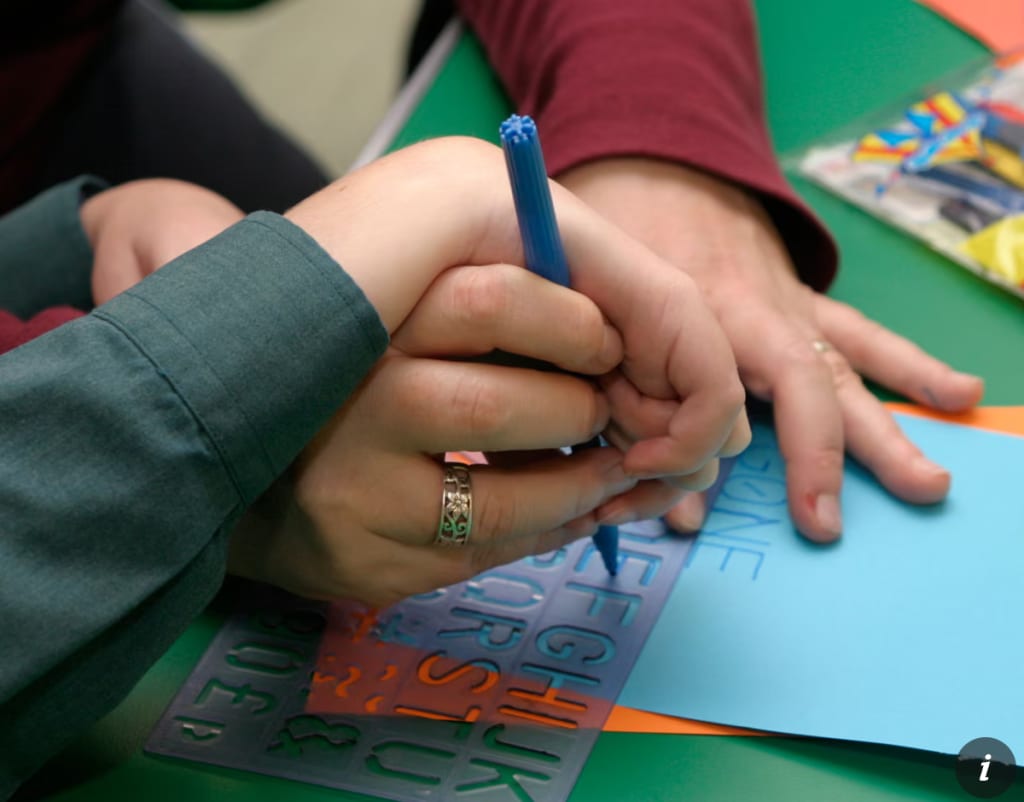
A growing number of children in England are starting primary school without being fully toilet trained, according to teachers and early years experts. Recent reports indicate that approximately one in four children enters school without mastering basic toileting skills, raising concerns among educators about readiness for formal education and the support systems available for families.
Teachers say this trend affects not only classroom management but also children’s social development and self-confidence, sparking a wider discussion about parenting, early education, and societal pressures on families.
What the Teachers Are Reporting
Educators across England have reported seeing children struggle with toileting when they begin Reception class, the first year of primary school for children aged four to five. Some common challenges include:
Frequent accidents in the classroom
Difficulty recognizing bodily signals or asking for help
Emotional distress and embarrassment among children
While starting school without being toilet trained is not inherently harmful, teachers argue that it can create avoidable stress for children and staff, particularly in large classrooms with limited support staff.
One headteacher in London commented:
"We want every child to feel confident and secure in school. When children aren’t toilet trained, it can affect their self-esteem and the smooth running of the class."
Why This Issue Is Becoming More Common
Experts suggest several factors contributing to the increase in children starting school untrained:
Delayed Early Childhood Routines:
Modern parenting patterns, including later bedtimes and less structured daytime routines, may affect the pace at which children learn toileting habits.
Parental Confidence and Guidance:
Some parents report feeling unsure about the right time to start toilet training, leading to delays. Early years specialists note that consistent guidance and encouragement at home are crucial.
Socioeconomic Pressures:
Families under financial strain or parents balancing multiple jobs may struggle to maintain regular toilet training schedules.
Cultural Shifts:
Changing attitudes toward independence and readiness have influenced how and when parents encourage toilet training.
Despite these challenges, educators stress that early support and routine can make a significant difference in preparing children for school.
Impacts on the Classroom
Starting school without being toilet trained can create practical challenges for teachers:
Time spent helping individual children with accidents can distract from teaching.
Shared spaces such as toilets may become overwhelmed, particularly in schools with large class sizes.
Staff may need extra training and resources to manage hygiene and support children sensitively.
For children, the impacts extend beyond physical care:
Frequent accidents can affect self-esteem and social confidence.
Children may feel embarrassment or anxiety, making it harder to focus on learning.
Peer reactions may exacerbate feelings of exclusion or frustration.
Teachers emphasize that the issue is not solely a matter of discipline, but one of developmental readiness and support for children and families.
What Experts Recommend
Early childhood specialists recommend a range of strategies to address the challenge:
Early Education Programs:
Nursery and preschool programs can support children in developing independence, including toilet training, in a safe and encouraging environment.
Parental Guidance and Resources:
Clear advice on timing, routines, and positive reinforcement can help parents navigate toilet training more effectively.
Government Support:
Policies that support working families, including access to affordable childcare, can reduce stress and allow parents to focus on developmental milestones.
Teacher Training:
Providing educators with strategies to manage accidents sensitively and support children’s self-confidence can improve classroom outcomes.
The key message from experts is that toilet training is a developmental milestone, not a moral issue, and with guidance and support, most children can achieve readiness before or shortly after starting school.
Societal and Policy Considerations
The rise in children starting school without being toilet trained has sparked debate about broader societal trends:
Should schools take more responsibility for early childhood readiness, or is it primarily a parental responsibility?
How do economic and social pressures affect families’ ability to prepare children for school?
What role should government programs play in supporting early development?
Some advocates argue that the issue reflects deeper structural challenges, including lack of access to quality childcare, overburdened working parents, and inconsistent early education policies across regions.
Voices From Parents
Parents have expressed a mix of understanding and concern. Many note that toilet training is not always linear, and children develop at different rates. Some parents report feeling pressure from schools or peers, while others welcome guidance and support.
One parent in Manchester said:
"Every child develops differently. Some are ready at three, some at four. What matters is support and patience, not judgment."
Educators echo this sentiment, emphasizing that sensitivity and practical solutions are more productive than criticism.
Looking Ahead
While one in four children starting school without being toilet trained may seem high, experts point out that early intervention, guidance, and routine can address most cases effectively. Schools, parents, and policymakers need to collaborate to ensure children enter school confident, healthy, and ready to learn.
Increasing awareness among parents, providing early support, and equipping teachers with the necessary tools can minimize stress for children and educators alike.
Conclusion: A Developmental, Not a Moral, Issue
Starting school without being toilet trained is a common developmental challenge, not a failure on the part of children or parents. Teachers, parents, and policymakers all have roles to play in supporting children’s readiness for school.
Through early education, guidance, and supportive policies, the majority of children can achieve this milestone and transition smoothly into the classroom environment. Raising awareness and providing resources is key to ensuring that children start school confident, independent, and ready to thrive.
About the Creator
Muhammad Hassan
Muhammad Hassan | Content writer with 2 years of experience crafting engaging articles on world news, current affairs, and trending topics. I simplify complex stories to keep readers informed and connected.
Keep reading
More stories from Muhammad Hassan and writers in The Swamp and other communities.
Highnoon Laboratories Starts Work on New Pharmaceutical Manufacturing Facility
Highnoon Laboratories, one of Pakistan’s leading pharmaceutical companies, has officially started work on a new pharmaceutical manufacturing facility, signaling a major expansion of its production capabilities. The move reflects growing demand for locally manufactured medicines and highlights the company’s long-term commitment to strengthening Pakistan’s healthcare and pharmaceutical infrastructure.
By Muhammad Hassanabout 19 hours ago in The Swamp
Why Silver Will Outperform Gold in 2026
Understanding the catalysts behind silver’s potential to eclipse gold in returns this year Precious metals investors have rarely seen a more compelling narrative than the one unfolding in 2026. After years of lagging behind gold’s dominance, silver has emerged as a breakout performer, fueled by a unique combination of industrial demand, supply tightness, and macroeconomic conditions that collectively make a strong case for silver to outperform gold in 2026.
By Salaar Jamaliabout 12 hours ago in The Swamp
Rupee Up 85th Consecutive Day Against US Dollar: A Historic Trend and What It Means for Pakistan’s Economy
Pakistan’s financial markets have witnessed a remarkable and rare phenomenon: the Pakistani rupee (PKR) has strengthened against the U.S. dollar (USD) for the 85th consecutive trading day. This sustained appreciation reflects deeper shifts in currency markets, economic fundamentals, and external sector dynamics that are shaping the nation’s financial future.
By Salaar Jamaliabout 15 hours ago in The Swamp
The Blue Ridge Stalker
Tom had left the Ford down the way, its spark plugs finally exhausted and no mechanics for a dozen miles back through the foothills to Strossburg. No matter, he had worn his boots—almost as if he planned for this to happen. The puzzle he sought to solve emanated from the woods clinging to the slopes above; the valley behind held no mysteries.
By Stephen A. Roddewig2 days ago in Fiction




Comments
There are no comments for this story
Be the first to respond and start the conversation.