
New surveys reveal strong public resistance to territorial expansion and military involvement abroad
Most Americans Oppose Trump’s Push on Greenland, Poll Shows

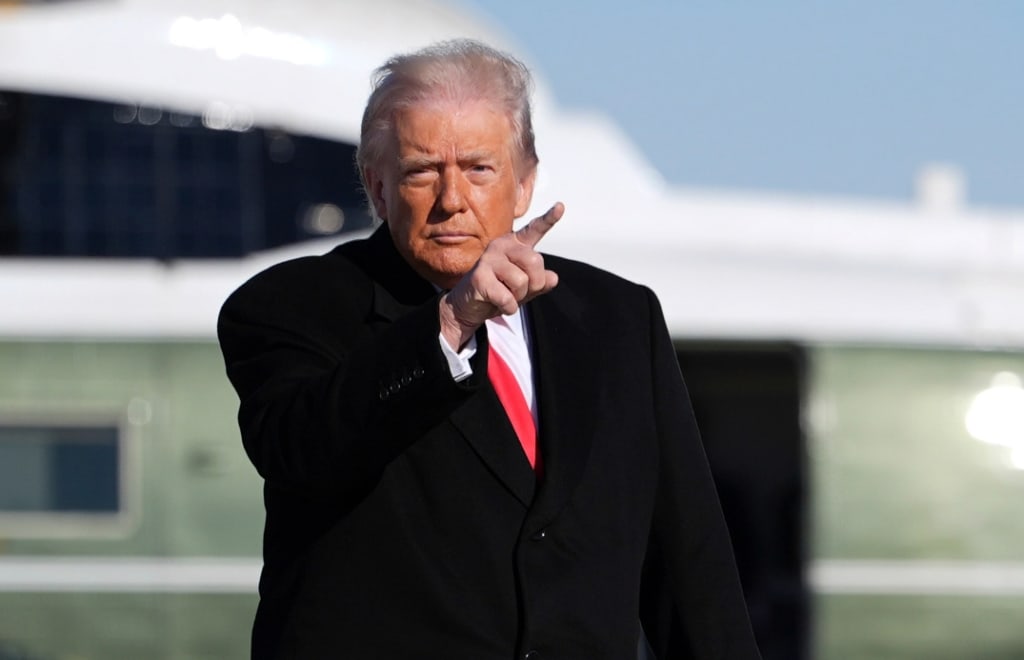
Former U.S. President Donald Trump’s renewed interest in Greenland has once again sparked debate in Washington and beyond. However, despite the strategic arguments often cited by his supporters, recent polling shows that most Americans are firmly opposed to the idea of the United States pushing to acquire the vast Arctic island. The findings highlight a clear disconnect between political ambition and public opinion, underscoring broader concerns about foreign policy priorities, international law, and America’s role on the global stage.
Greenland, an autonomous territory within the Kingdom of Denmark, became an unexpected focal point of U.S. politics when Trump first floated the idea of buying it during his presidency. Years later, the proposal has resurfaced in political discourse, driven by arguments about national security, access to natural resources, and geopolitical competition in the Arctic. Yet for many Americans, the idea remains unconvincing and deeply controversial.
Polls Show Widespread Opposition
Recent national polls paint a consistent picture: a clear majority of Americans do not support Trump’s push on Greenland. Only a small minority favor the idea of the United States attempting to gain control of the island, while a significantly larger share oppose it outright. This opposition cuts across demographic lines, suggesting that skepticism is not limited to one political group.
While Republican voters are more divided on the issue, Democrats and independents overwhelmingly reject the proposal. Even among those who see strategic value in Greenland, support drops sharply when the discussion turns to aggressive tactics or the use of military force. The data suggests that Americans may be open to diplomacy and cooperation in the Arctic, but not to territorial expansion reminiscent of a bygone era.
Why Americans Are Saying No
One major reason for public resistance is concern over international norms. Many Americans view Greenland as a territory with its own people, culture, and political institutions, not a commodity to be bought or taken. The idea of acquiring land from an allied nation clashes with modern principles of sovereignty and self-determination.
There is also widespread unease about the potential consequences for U.S. alliances. Denmark is a longtime NATO ally, and critics argue that pushing for control over Greenland could strain diplomatic relations and weaken trust within the alliance. For a public already wary of endless conflicts and geopolitical tensions, the Greenland proposal feels like an unnecessary risk.
Cost is another factor. Poll respondents frequently cite concerns about the financial burden such an acquisition could place on U.S. taxpayers. Infrastructure investment, governance, defense commitments, and social services would require massive long-term spending, with uncertain returns.
---
Military Force Is a Red Line
Perhaps the strongest point of consensus among Americans is opposition to using military force to acquire Greenland. Polls show overwhelming rejection of any scenario involving armed intervention or coercion. This sentiment reflects a broader fatigue with military engagements abroad and a desire to prioritize domestic issues over foreign entanglements.
Even voters who are generally supportive of a strong national defense draw a clear line when it comes to using force against or pressuring allies. For many, the notion of military involvement in Greenland contradicts America’s stated commitment to democratic values and peaceful cooperation.
Strategic Arguments vs. Public Sentiment
Supporters of Trump’s position often emphasize Greenland’s strategic importance. Located in the Arctic, the island sits along key military and shipping routes and is increasingly relevant as melting ice opens new pathways. Greenland is also believed to hold valuable natural resources, including rare earth minerals critical for modern technology.
However, the polls suggest that these strategic arguments have not resonated with the broader public. Americans appear skeptical that territorial control is the best or only way to protect U.S. interests in the region. Many favor continued cooperation with Denmark and Greenland through existing diplomatic and military agreements rather than pursuing ownership.
International Reaction and Local Voices
Internationally, the response to Trump’s Greenland ambitions has been largely negative. Danish leaders have repeatedly stated that Greenland is not for sale, while Greenlandic officials have emphasized their right to decide their own future. For Greenland’s residents, the debate has often felt dismissive of their autonomy and identity.
These reactions have further shaped American opinion. The idea of pushing ahead despite firm opposition from allies and local leaders reinforces concerns that the proposal could damage America’s global image and moral standing.
---
What This Means for U.S. Politics
The polling results offer an important lesson for policymakers: public appetite for territorial expansion is extremely limited. In an era marked by economic uncertainty, domestic challenges, and political polarization, Americans are more focused on issues at home than on acquiring new land abroad.
For Trump and other political figures, the Greenland issue highlights the risks of pursuing bold foreign policy ideas without broad public support. While strategic thinking remains important, democratic systems ultimately require alignment with voter priorities and values.
Conclusion
Most Americans oppose Trump’s push on Greenland, according to recent polls, signaling a strong preference for diplomacy, alliance-building, and respect for international norms over territorial ambition. While Greenland’s strategic importance in the Arctic is undeniable, the public remains unconvinced that ownership is the answer.
As global competition intensifies and the Arctic gains prominence, the United States will likely continue to play a role in the region. However, the message from voters is clear: cooperation, not coercion, should guide America’s approach. In the modern world, influence is measured less by land acquisition and more by partnerships, credibility, and shared values.
About the Creator
Asad Ali
I'm Asad Ali, a passionate blogger with 3 years of experience creating engaging and informative content across various niches. I specialize in crafting SEO-friendly articles that drive traffic and deliver value to readers.
The Absolute Best French Fries in Every US State
Few foods are as universally loved across the United States as French fries. Golden, crispy, perfectly salted — they are a staple on fast-food menus, in diners, and even in fine dining establishments. But not all fries are created equal. Across the country, chefs and home cooks alike have elevated the humble potato into a culinary canvas, adding unique twists and flavors that make each state’s fries distinct. From the beaches of Hawaii to the plains of Kansas, there is a fry in every state that locals swear by — and visitors must try.
By Muhammad Hassanabout 15 hours ago in The Swamp




Comments
There are no comments for this story
Be the first to respond and start the conversation.