
Muskmelon Cultivation: Everything to Know for a Healthy Harvest
In this guide, we will describe the overall process of cultivation with proper practice.
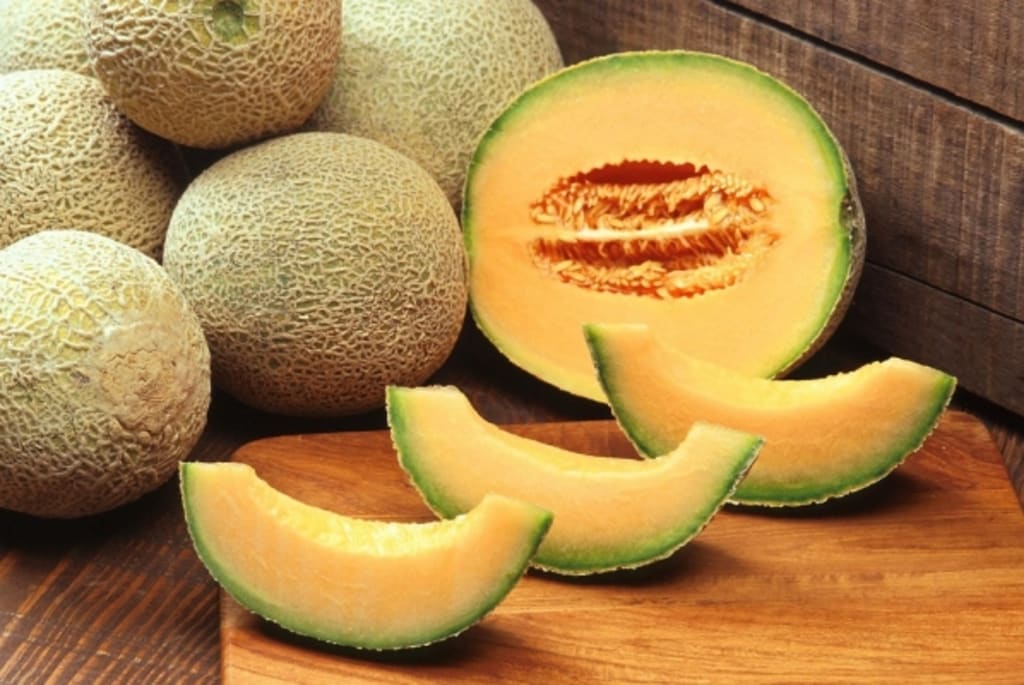
Muskmelon, known for its sweet and juicy taste, is one of the most loved summer fruits in India and goes by the name of "Kharbuja". It is rich in vitamins, water, and natural sugars, making it a perfect refreshment during hot weather. Muskmelon farming is healthy not just for people but also for farmers, as it is a good business if cultivated properly.
In this guide, we will describe the overall process of cultivation with proper practice.
9 Essential Steps for Successful Muskmelon Farming
Farmers need to go through the proper method in order to obtain a healthy and profitable crop. These are the 9 keys that guarantee proper development, resistance towards diseases, and better returns.
Climate and Soil Requirements
Muskmelon is a warm-season crop that grows best in hot and dry climates. The ideal temperature for its growth is between 25°C and 35°C. It cannot tolerate frost or very high humidity, which may lead to diseases.
This fruit grows well in sandy loam or loamy soil with good drainage. The soil should be rich in organic matter and have a pH between 6.0 and 7.5. Soil testing prior to sowing is advised to determine the fertility and balance of the pH.
Land Preparation
Good land preparation is essential for fruit growth. Plough the field 2–3 times by tractor, using a rotavator or cultivator, to break the soil and remove old crop residues and weeds. Level the land after ploughing, and well-rotted FYM or compost is mixed into the soil.
Farmers usually use tractors such as the Swaraj 744 for ploughing, levelling, and bed preparation. The tractor is dependable and fuel-efficient, and hence suitable for the preparation of medium to large-sized fields. This Swaraj tractor price ranges from ₹7,31,000.00 to ₹7,84,000.00.
Seed Selection and Sowing
The selection of the best muskmelon variety is very important for improving the yield and quality of the fruits. Some good varieties in India are Pusa Sharbati, Arka Rajhans, Punjab Sunehri, and Durgapura Madhu. They are sown between February and April in North India and between December and February in the South Indian states.
The seeds can be planted directly on the raised beds or in 60–90 cm apart spaced pits with a 1.5 to 2-meter row distance. One hectare requires around 1 to 1.5 kg of seed. For better growth, seeds are soaked in water overnight before planting.
Irrigation Management
Muskmelon requires proper irrigation for healthy plant and fruit development, especially during the flowering and fruit-setting stages. Drip irrigation is highly recommended as it saves water and provides nutrients directly to the roots. Initially, you need to water the crop every 3 to 5 days. Once the plant matures, irrigation can be reduced, but care must be taken not to let the soil dry out completely.
Nutrient and Fertilizer Management
Muskmelon crops require major nutrients to grow rapidly and healthily. Balanced fertilizer doses are necessary in order to get a high yield. Also, use well-decomposed FYM before sowing. Other than that, certain chemical fertilizers are also being used in phases:
Half the nitrogen and full phosphorus and potash while sowing.
The rest of the nitrogen is provided during the vine growth and flowering phases.
Weed and Pest Management
Weeds compete with the muskmelon crop for nutrients, sunlight, and water. Regular weeding is important, especially during the early growth stages. Using mulch, either plastic or organic can help control weed growth and conserve soil moisture.
The crop is affected by several pests, such as aphids, fruit flies, and red pumpkin beetles. Neem oil or organic sprays can be used to control mild attacks. In case of severe infestation, recommended insecticides can be used as per agricultural guidelines.
Training and Pruning
Training and pruning are important for healthy muskmelon growth. This process includes guiding the plant's vines to grow in a certain direction, usually on the ground or on a support. Pruning means cutting off extra side shoots and old leaves to help the plant focus energy on growing big, sweet fruits. It also improves airflow and sunlight, reducing disease.
Harvesting
Muskmelons mature 70 to 90 days from planting. When they have a sweet aroma, they are yellow and detach easily from the plant. The best time to pick them up is early in the morning when it is cold. Farmers mostly use a knife or twist them gently to remove them. Be careful not to drop them, and keep them in a cool place so they stay fresh longer.
Post-Harvest Handling
After harvesting, the fruit should be cleaned and graded based on size and ripeness. They are packed in baskets or crates lined with soft materials like straw. If needed, they can be stored at 10°C to 15°C for a few days. Proper post-harvest care increases shelf life and improves market value.
Final Words
Overall, muskmelon farming is a profitable business opportunity when done with the right techniques and care. By following modern practices like drip irrigation, tractor usage, mulching, and timely fertilization, farmers can ensure high-quality yield and good income. Whether grown for local markets or commercial sale, this fruit remains one of the most favourite crops for Indian growers.
About the Creator
Keep reading
More stories from Yatin Bhardwaj and writers in The Swamp and other communities.
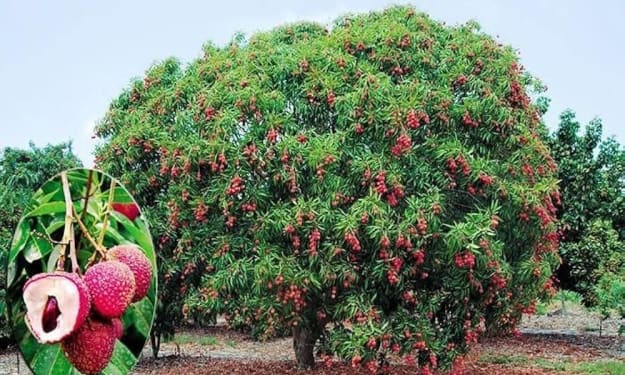
Growing Lychee Trees? Here’s How in 5 Effortless Steps!
Lychee is a tropical evergreen broadleaf tree that grows naturally under a humid, warm condition. After all, fruits also contain a rich amount of vitamins, antioxidants, and minerals. You have reached the right site if you're going to plant your lychee trees.
By Yatin Bhardwaj10 months ago in The Swamp


Comments
There are no comments for this story
Be the first to respond and start the conversation.