
MoD to Unify All Intelligence Units Under a Single Command
A major defence overhaul aims to fix decades of fragmentation by unifying all military intelligence under one command.

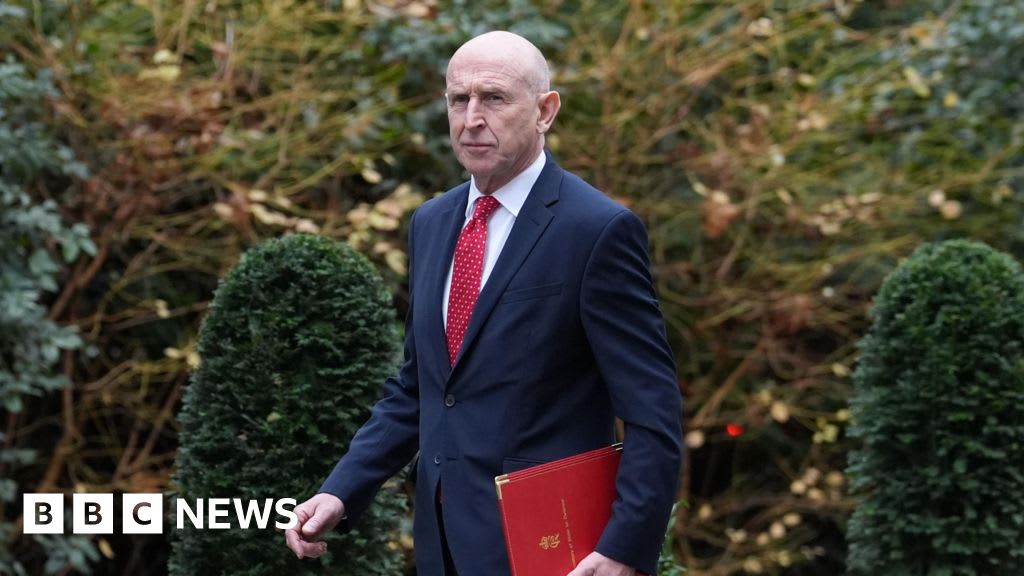
How a bold restructuring aims to strengthen national security and eliminate decades of fragmentation
For years, defence experts have pointed out one recurring weakness in the nation’s security structure: intelligence units working in isolation. Each branch of the military has maintained its own intelligence wing, often operating with different protocols, systems, and priorities. This fragmentation has led to duplication of work, slow information sharing, and occasional gaps in threat assessment. Now, the Ministry of Defence (MoD) has decided it is time for a major transformation.
In a landmark announcement, the MoD confirmed that all military intelligence units will soon be unified under a single command, forming the country’s first fully integrated defence intelligence structure. Officials say this move will create a faster, more coordinated, and more modern system capable of handling today’s complex security challenges—from cyber warfare to terrorism and emerging global conflicts.
A Response to Modern Threats
Over the past decade, the nature of threats has changed dramatically. Wars are no longer fought only on land, sea, or air. Cyberattacks, misinformation campaigns, and unmanned weapon systems have shifted the battlefield into new domains. Intelligence agencies must now analyse huge volumes of data, track digital footprints, and examine geopolitical trends that can change within hours.
Defence analysts argue that no single branch of the military can manage this alone. A unified structure promises better situational awareness, stronger coordination, and faster responses. By bringing all intelligence streams under one roof, the MoD hopes to eliminate unnecessary barriers and encourage seamless communication.
What the New Unified Command Will Look Like
Although specific operational details are still being finalised, officials have outlined the general structure of the new command. It will include:
A central intelligence headquarters responsible for strategic planning and oversight
Branch-specific divisions for Army, Navy, and Air Force intelligence
A cyber and digital warfare wing focused on online threats and data analysis
Joint operational teams deployed for missions requiring cross-force cooperation
A single reporting system to reduce delays and inconsistencies
This structure mirrors the models used by several advanced nations, where integrated intelligence frameworks have significantly improved national security outcomes.
Ending Duplication and Increasing Efficiency
One of the biggest criticisms of the previous system was duplication. Similar intelligence reports were compiled by different branches, wasting both time and resources. At times, confusion arose when teams working independently presented conflicting assessments.
The new unified command aims to prevent this by ensuring that:
All intelligence flows through a centralised system
Officers from different branches work side by side
Technology platforms are standardised
Decision-makers receive consistent, real-time information
The MoD believes this integration will save millions in operational costs while improving overall accuracy.
A Step Toward Greater Transparency and Accountability
Another important aspect of the reform is accountability. When intelligence is scattered across multiple departments, it becomes difficult to track decisions, review outcomes, or identify failures. With a single command, the chain of responsibility becomes clearer.
The integrated structure will:
Establish uniform performance standards
Make it easier to review intelligence decisions
Improve training consistency across units
Tighten internal oversight to prevent misuse or miscommunication
Officials say that this clarity is essential, especially during high-pressure situations when decisions must be made within minutes.
Challenges Ahead
Even though the plan has been widely praised, it does not come without challenges. Integrating long-existing systems, cultures, and command structures will require careful planning. Some officers may be resistant to change, and merging technology platforms will take time.
Additionally, the MoD must ensure that the new command does not become overly bureaucratic. Critics warn that centralisation, if not managed properly, can slow down field operations. The success of the reform will depend largely on maintaining a balance between coordination and flexibility.
A New Era of Defence Intelligence
Despite the hurdles, the MoD’s initiative represents one of the most ambitious defence reforms in recent years. By unifying intelligence units under a single command, the country is preparing its military for the challenges of a rapidly changing world. From faster decision-making to stronger cyber defence, the move signals the beginning of a new era in national security.
As global tensions continue to rise and technology reshapes the nature of warfare, the ability to gather, analyse, and act on information has never been more critical. The MoD’s decision shows a clear recognition of this reality—and a bold step toward building a smarter, more secure future.
About the Creator
Fiaz Ahmed
I am Fiaz Ahmed. I am a passionate writer. I love covering trending topics and breaking news. With a sharp eye for what’s happening around the world, and crafts timely and engaging stories that keep readers informed and updated.
Keep reading
More stories from Fiaz Ahmed and writers in The Swamp and other communities.
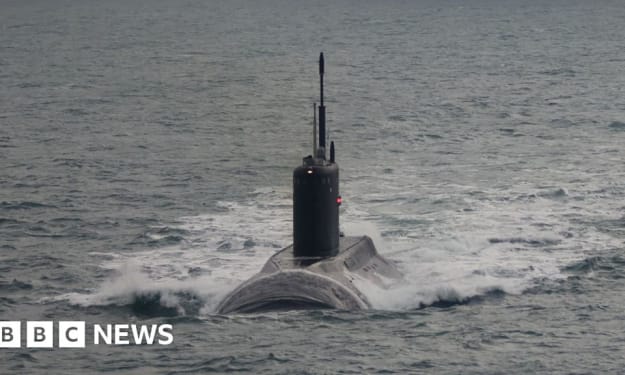
Royal Navy Shadows Russian Submarine Through the English Channel
Heightened tensions at sea highlight Europe’s evolving security landscape The English Channel, one of the busiest maritime routes in the world, is rarely quiet. Cargo ships, fishing vessels, ferries, and naval patrols cross these waters daily. But when a Russian submarine made its way through the Channel this week, the atmosphere shifted. The Royal Navy immediately deployed one of its advanced warships to monitor the vessel, sparking renewed discussions about maritime security and geopolitical tensions in Europe.
By Fiaz Ahmed 3 months ago in The Swamp
Parallel Protests
I haven't written for quite some time, but I have A LOT of thoughts about yesterday's protest rally against our government's involvement and complicity in America's war on Iran, on the harbourside of my home city Bristol, and I need to put them somewhere. My gorgeous girlfriend is always a loving and listening ear and sharing it all with her will always be a healthy and happy way of processing the mental and emotional weight, but getting it straight in my brain to share means writing it all down in straight lines, so, here we are and thanks for being here.
By Steph Cole7 days ago in The Swamp


Comments
There are no comments for this story
Be the first to respond and start the conversation.