
Milwaukee Faces Havoc After Historic Flash Floods Submerge Roads
Milwaukee, WI A seemingly ordinary summer weekend turned into a nightmare for Milwaukee residents as historic flash floods submerged roads, disrupted daily life, and forced the cancellation of major public events.

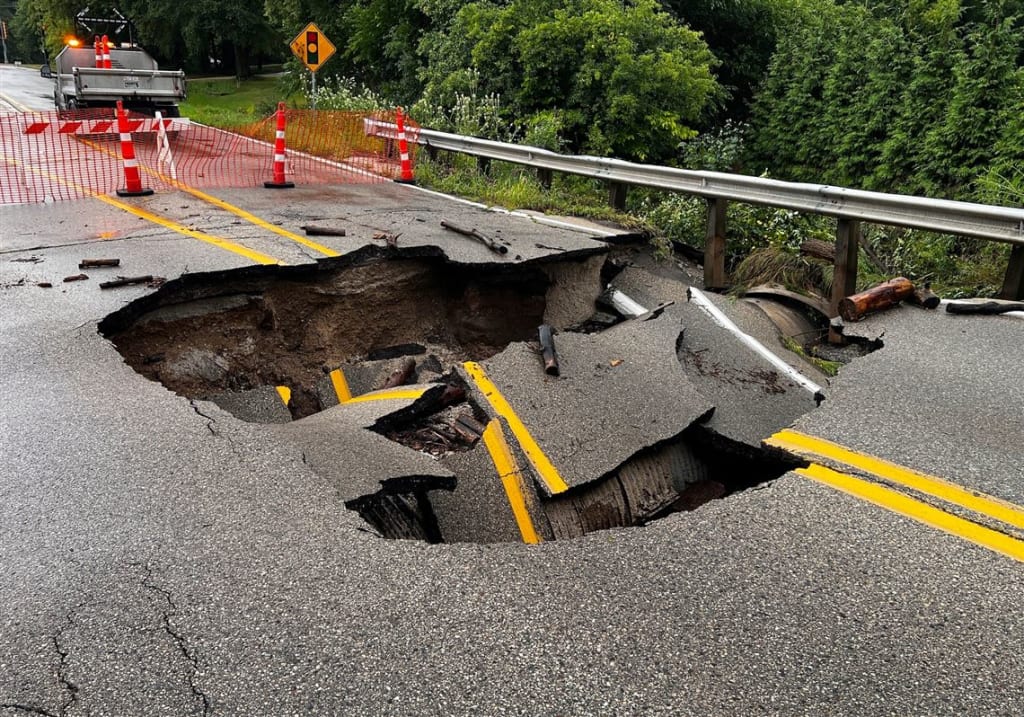
Milwaukee, WI A seemingly ordinary summer weekend turned into a nightmare for Milwaukee residents as historic flash floods submerged roads, disrupted daily life, and forced the cancellation of major public events. What began as steady rain on Sunday morning quickly escalated into one of the city’s most severe weather emergencies in decades.
A Storm That Wouldn’t Let Go
Meteorologists had warned of a strong storm system moving through southeastern Wisconsin, but few anticipated the sheer volume of rain it would deliver in such a short time. By mid-morning, parts of Milwaukee had already received more than four inches of rainfall, with certain neighborhoods recording totals closer to six inches before the storm finally moved on.
The slow-moving nature of the storm meant that instead of passing quickly, rain bands kept cycling over the same areas. National Weather Service (NWS) meteorologist Ethan Caldwell described the phenomenon as “training storms,” comparing it to how train cars follow the same track each cell dumping water on already saturated ground.
“This was an exceptional event,” Caldwell explained. “It’s the kind of storm that tests not just our weather forecasting, but also the city’s infrastructure and emergency response systems.”
From Streets to Rivers in Minutes
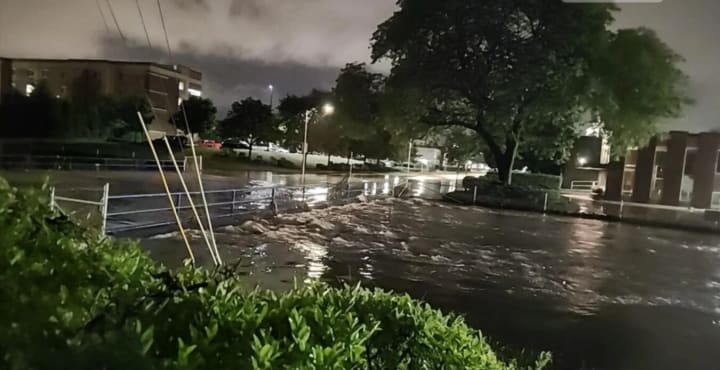
The deluge hit Milwaukee’s stormwater system hard. Storm drains backed up within minutes, sending water cascading onto sidewalks and pooling on major roads. Video clips shared on social media showed iconic city streets, like portions of Wisconsin Avenue, transformed into rushing rivers.
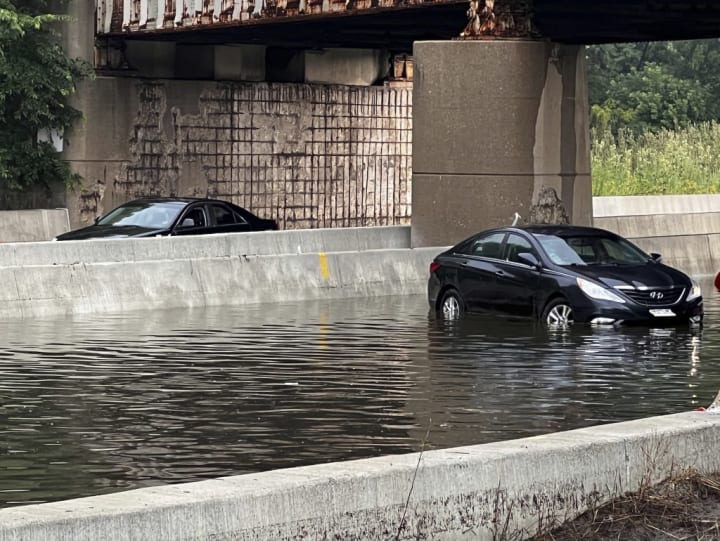
On the interstate, chaos unfolded as sections of I 94 and I 43 disappeared under brown, debris-filled water. Cars stalled, engines drowned, and in some cases, drivers abandoned their vehicles altogether.
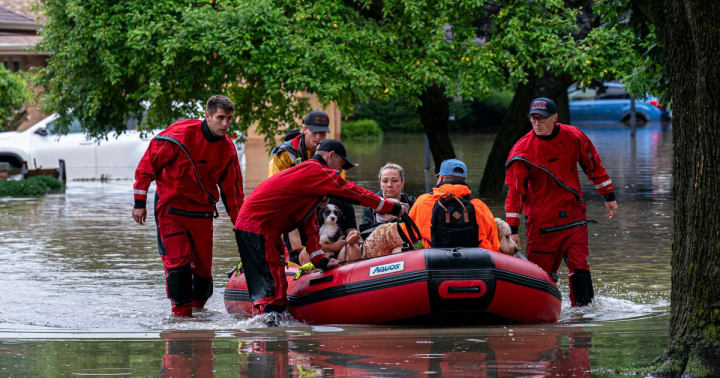
Firefighters and police officers, already stretched thin, were forced to prioritize life-saving rescues over property concerns. By early afternoon, the Milwaukee Fire Department had conducted at least 27 water rescues, pulling stranded drivers from car rooftops and escorting pedestrians through waist-deep floodwaters.
“This is unlike anything we’ve seen in decades,” said Fire Chief Aaron Lipski. “We had multiple calls happening at the same time, and some of our crews had to navigate floodwaters themselves just to reach those in need.”
Major Events Brought to a Standstill
For thousands of Wisconsinites, Sunday was supposed to be a day of celebration at the Wisconsin State Fair. Instead, fair officials made the difficult decision to close the gates by mid-morning, citing unsafe conditions and flooded walkways.
“It’s heartbreaking,” said Sarah Lindstrom, a vendor who had been selling local cheeses at the fair for over a decade. “This is one of the busiest weekends for us, and now we’ve lost an entire day’s business.”
Other community events, from neighborhood block parties to youth soccer tournaments, were also canceled. Several wedding receptions faced last-minute relocations as venues flooded, forcing couples and planners into a frantic search for dry locations.
Neighborhoods Hit Hardest
While the flooding was widespread, low lying neighborhoods in Milwaukee’s south side and near the Menomonee River bore the brunt. Basements filled with water in minutes, appliances short-circuited, and sump pumps failed as the power flickered and, in some areas, went out entirely.
“I’ve lived here my whole life, and I’ve never seen anything like this,” said Jessica Martinez, who spent the morning moving furniture to higher levels in her home. “One minute it was just raining hard, the next minute the street was a river. We couldn’t even open our front door because of the water pressure.”
Local shelters opened their doors to displaced residents, while volunteers organized sandbag stations and delivered bottled water and food to those trapped by the floods. Social media platforms became a lifeline for many, with residents sharing real-time updates, road closure information, and offers of help.
Emergency Services Stretched Thin
Milwaukee’s emergency response teams faced extraordinary challenges. In addition to water rescues, crews dealt with downed power lines, stranded buses, and reports of minor landslides near embankments.
Hospitals prepared for an influx of flood related injuries, ranging from hypothermia to slips and falls. Health officials also warned residents about the dangers of wading through floodwater, which can contain sewage, sharp debris, and hazardous chemicals.
A City’s Infrastructure in Question
The flooding has reignited debates over the city’s ability to handle extreme weather events. Critics argue that Milwaukee’s stormwater management system much of it built decades ago was not designed for the intensity and frequency of today’s rainfall patterns.
Environmental advocates point to climate change as a major factor. Warmer air holds more moisture, leading to heavier downpours when storms do occur. According to a study from the Midwest Regional Climate Center, the number of “extreme precipitation events” in Wisconsin has risen by more than 15% over the past 50 years.
“This is a wake-up call,” said Dr. Marcus Hale, a climatologist at the University of Wisconsin-Milwaukee. “We can expect more of these high-intensity events, and our infrastructure must evolve to keep pace. Otherwise, we’ll be reliving this scenario again and again.”
Businesses and Economic Impact
The financial toll of the flooding could be significant. Small businesses reported damage to inventory, lost revenue from closures, and repair costs that could stretch into the tens of thousands of dollars. Larger companies, including those in Milwaukee’s industrial zones, experienced temporary shutdowns as floodwaters made delivery routes inaccessible.
Insurance claims are expected to surge in the coming days. Local contractors anticipate a wave of calls for basement repairs, mold remediation, and electrical work.
Government Response and Relief Efforts
Mayor Cavalier Johnson addressed the city late Sunday, assuring residents that every available resource was being deployed. “Our first priority is the safety of our citizens,” he said. “We are coordinating with state and federal agencies to bring in additional support as quickly as possible.”
Governor Tony Evers pledged state assistance, stating, “Milwaukee is resilient, but the scale of this disaster means we need all hands on deck for the recovery effort.”
Relief organizations, including the American Red Cross and local nonprofits, have begun distributing emergency supplies. Donation drives have been set up for clothing, non-perishable food, and cleaning materials.
The Road to Recovery
As floodwaters slowly recede, the scope of the damage is becoming clearer. Infrastructure repairs, business reopenings, and residential cleanup will likely take weeks if not months. Experts caution that the psychological toll of such disasters is also significant, urging residents to seek support if they are feeling overwhelmed.
For many, the disaster has brought neighbors closer together. Stories of strangers helping push cars to safety, sharing generators, and delivering food to those in need have spread quickly reminding everyone that even in moments of chaos, community spirit shines through.
Final Thoughts
The historic flash floods in Milwaukee are a sobering reminder of nature’s power and unpredictability. From submerged highways to shuttered fairs, the city’s weekend was turned upside down in a matter of hours. While the damage is significant, the resilience and unity of Milwaukee’s residents offer hope for the road ahead.
As the city cleans up and rebuilds, the lessons from this storm must not be ignored. Stronger infrastructure, better flood preparedness, and a proactive approach to climate change will be essential to protecting Milwaukee’s future. The storm may have tested the city, but in its wake, it has also revealed a community’s strength and a determination to weather whatever comes next.
About the Creator
The Forsyth House Fire
Since 1851, Forsyth House has stood on the corner of Union Street and Gordon Street in the heart of Glasgow. Its iconic, or was... because on Sunday 8th of March, 2026, a fire broke out in a small, seemingly un-named shop in the building and tore all that history down. As I write, the rubble is still unsettled and the street is still blocked off. Central Station is quiet on the upper level, and around 30 small businesses have quite literally gone up in smoke.
By S. A. Crawford3 days ago in The Swamp


Comments
There are no comments for this story
Be the first to respond and start the conversation.