
Manchester’s LGBT “Extra-Care” Housing Community
What does this mean?


Some quick figures regarding LGBT Statistics:
- In 2015, 1.7% of the UK population identified themselves as lesbian, gay or bisexual (LGB).
- More males (2.0%) than females (1.5%) identified themselves as LGB in 2015.
- Of the population aged 16 to 24, there were 3.3% identifying themselves as LGB, the largest percentage within any age group in 2015.
- The population who identified as LGBT in 2015 were most likely to be single, never married or civil partnered, at 68.2%.
- “In 2015, the majority (93.7%) of the UK population identified themselves as heterosexual or straight, with 1.7% identifying as LGB, the remainder either identifying as “other”, “don’t know” or refusing to respond. Young adults (16 to 24-year-olds) are more likely to identify as LGB compared with older age groups, and a higher proportion of males identify as LGB than females.”
- Pamela Cobb, Population Statistics Division, Office of National Statistics
“Manchester’s older population is almost unique in England. Older people form a smaller than average proportion of the population, set against an above average number of young adults, and the number of people aged 65 and over is currently decreasing.”
- “Older People in Manchester; A Profile of Residents Aged 65 and Over” - Elisa Bullen Performance and Intelligence Chief Executive’s Department Date: August 2016
Having looked at the above figures and studies, why has Stonewall Housing (an LGBT housing provider) decided that a 51% LGBT majority community, focused on the elderly is necessary in Manchester, amid a Tory u-turn on social housing and the constant axing of government benefits and support
The ambition to create a community aimed at older lesbian, gay, bisexual and transgender (LGBT) people has been announced today by Manchester City Council.
Within the “Older People in Manchester” report referenced above, they delve into the causes and symptoms of loneliness and isolation within elderly people in the area, focusing on the fact that one of the primary reasons was a lack of children and family (something that may be more prevalent amongst LGBT communities). This can also be particularly evidenced in the pattern that men tend to have less family support in old age, and that women tend to disengage less with social groups than men do as they age.
- Loneliness, isolation and subsequent depression are problems which are rife amongst the elderly in Manchester, and across the UK.
- Lack of community-based, affordable, secure housing is another problem which is prevalent across varied groups up and down the country
So, why focus on building community housing for the tiny demographic of 50+ LGBT people?
- Stonewall Housing is focused on LGBT housing – This has entitled them to various grants, support and funding to allow them to remain competitive within the “social housing market” given their customer base is largely reduced. They will continue to survive based solely on their ability to continue proposing social development programs targeted at minorities or vulnerable groups
- Support for LGBT focused groups is generally universal and non-discriminatory. The fact that a project or development claims to support of further the LGBT cause will immediately raise the chances of good reception amongst those communities and the wider political left-wing
- LGBT/Minority focused social projects are a cornerstone for political careers, gathering supporters and potential voters from disenfranchised communities. They can often disproportionality represent the community or constituents but seemingly carry more weight in political discourse.
The concern amongst some members of the LGBT community is that they have been campaigning and fighting for equality and fairness. The worry here is that this is not equal, or fair but is putting a priority on elderly LGBT people over heterosexual elderly people and a priority on 50+ over anyone else, primarily due to mental health and isolation concerns, despite the fact that statistically this age group isn’t the hardest affected by these issues (“The highest suicide rate in the UK in 2014 was for men aged 45-49 at 26.5 per 100,000.” – Samaritans).
Social and Community housing is a hot topic in any large, growing metropolitan city, and people are concerned that singling out such specific demographics for exclusive help, damages the reputation of the LGBT community amongst other affected groups including young people.
There is a further concern that this will divide communities and drive segregation of groups for a “less discriminatory” society. It is through communication and discourse that prejudices are broken not through segregation and discrimination.
One of the factors that have led to increasing anti-immigration sentiment in the UK is the idea that different communities refuse to integrate into major society.
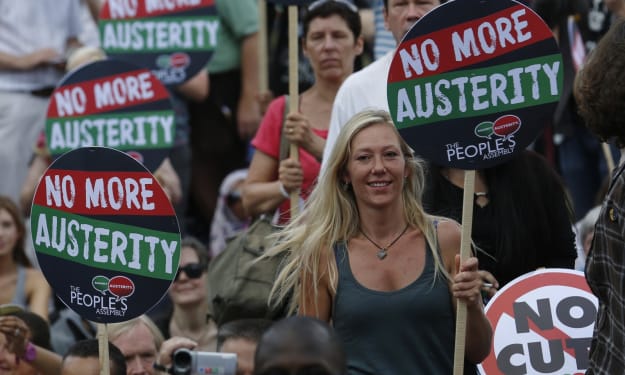
The UK is undeniably straight by the majority, so the idea that LGBT people want separate accommodation, living areas, amenities, and services will create opposition amongst straight-working class families who are likely just as much in need of support and care following years of austerity.
The name “Extra-Care” is anti-equality, discriminatory and wrong;
If you are a 55-year-old man, and your needs are 100% the same as the person next to you, apart from the fact you are straight, you are less welcome in this government funded housing project – This is discriminating by sexuality – This is wrong!
You don’t fix discrimination by discriminating in the other direction.
About the Creator
Jordan Catto
Late Twenties Lefty Gardener - Writing about the planet, plants and other stuff
Keep reading
More stories from Jordan Catto and writers in The Swamp and other communities.
Parallel Protests
I haven't written for quite some time, but I have A LOT of thoughts about yesterday's protest rally against our government's involvement and complicity in America's war on Iran, on the harbourside of my home city Bristol, and I need to put them somewhere. My gorgeous girlfriend is always a loving and listening ear and sharing it all with her will always be a healthy and happy way of processing the mental and emotional weight, but getting it straight in my brain to share means writing it all down in straight lines, so, here we are and thanks for being here.
By Steph Cole6 days ago in The Swamp
Human Rights Court Orders Reparations for Forced Sterilisation Case in Peru
A regional human rights tribunal has ordered the government of Peru to provide reparations to victims of a forced sterilisation case dating back to the 1990s, marking another major step toward accountability for one of the country’s most controversial public-health scandals. The decision was delivered by the Inter-American Court of Human Rights, which concluded that the Peruvian state failed to protect the reproductive rights and dignity of women subjected to coercive sterilisation practices.
By Fiaz Ahmed 2 days ago in The Swamp
The BAFTA Awards
By now, in a stunning departure from recent years, most of the world is aware of what happened at the BAFTA film awards. Social Media Headlines will tell you the bare bones: that John Davidson, a Tourette's Syndrome advocate, shouted a racial slur at two Actors of Colour, Michael B Jordan and Delroy Lindo.
By Natasja Rose5 days ago in Psyche


Comments
There are no comments for this story
Be the first to respond and start the conversation.