
Major Product Recalls at Lidl: What Consumers Need to Know
Learn why Lidl recalls happen, what products are affected, and how to protect yourself as a consumer.

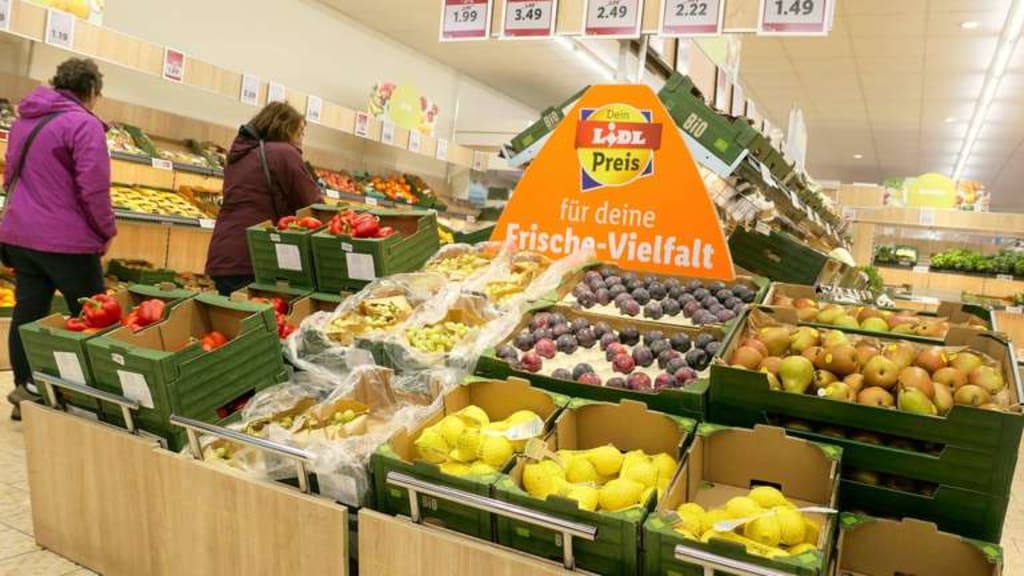
The word “recall” may sound routine — but when a major discount retailer like Lidl issues a product warning, consumers should pay close attention. In recent months, Lidl recalls have affected a variety of product categories — from sweets and spices to cheese and snacks.
In this article, you’ll learn why these recalls happen, what risks they pose, what to do if you’ve purchased a recalled product, and how to stay informed in the future.
Why Do Lidl Recalls Happen?
A product recall is issued whenever an item — despite standard production and safety checks — fails to meet quality or safety requirements set by manufacturers, retailers, or consumer protection authorities.
Recent Lidl recalls have been linked to several causes:
Foreign objects in food – for example, metal pieces found in almond snacks.
Contamination with harmful bacteria – including listeria detected in cheese products.
Undeclared allergens – such as milk missing from the ingredient label on frozen vegetables.
Physical hazards – like sharp metal or plastic fragments that can cause injury inside the mouth and throat.
Because Lidl sells products in large volumes and sources them through global supply chains, a single defective ingredient or mislabeling error can affect thousands of items. Recalls — inconvenient though they may be — also show that the system works: problems are identified, reported, and faulty products are removed from shelves.
Real Examples of Lidl Product Recalls
Snack Bars with Foreign Object Risk
A well-known case involved “Crownfield Fruit Bars Banana-Strawberry 5 × 30 g” with a best-before date of 14 July 2025. Lidl recalled the product due to possible plastic contamination.
Chocolate Pretzels Recall Due to Health Risk
The “MisterChoc Chocolate Pretzels” (both dark and milk chocolate) were recalled because some consumers reported a burning sensation in their mouths and sores on their tongues. Affected batches had best-before dates through 31 July 2025.
Spice Recall for Salmonella Contamination
The “Kania Basil Leaves, 15 g” product with a best-before date of 31 August 2025 was pulled from shelves after tests detected Salmonella, which can cause serious gastrointestinal illness.
What Consumers Should Do
If you’ve purchased a recalled product, take the following steps:
Do not consume it. Stop using the product immediately.
Check the packaging. Note the best-before date, batch number, and other identifying details.
Return the product. Lidl typically accepts returns at any store, with or without a receipt, and refunds the full purchase price.
Monitor your health. If you experience symptoms such as nausea, stomach pain, allergic reactions, or mouth irritation, contact a healthcare professional.
Stay informed. Official recall information is available on government food safety websites and Lidl’s announcements.
Recalls Are a Sign of Consumer Protection
A recall doesn’t automatically mean a company or retailer is unsafe. In fact, it often indicates the opposite — that quality control systems are working. When an issue is discovered, action is taken to protect customers.
Lidl, like other major retailers, is subject to strict safety standards. Recalls are part of its responsibility to ensure transparency and consumer trust.
Tips for Spotting Lidl Recalls Faster
Check labels carefully for batch numbers and best-before dates.
Subscribe to food safety alerts or regularly check recall websites.
Keep your receipts for a short time to make product returns easier.
Remember: discount pricing doesn’t mean lower safety standards — recalls are taken just as seriously as with premium brands.
If in doubt, contact Lidl customer service or the manufacturer for more details.
Conclusion
The phrase “Lidl recall” may sound alarming — but it also means the safety net is working. From foreign objects to contamination or undeclared allergens, recalls are designed to protect consumers.
The key is to stay informed, avoid consuming affected products, and return them for a refund. By doing so, you help keep yourself and your family safe while supporting transparent food safety practices.
If you ever find a product affected by a Lidl recall, take a moment to check the details — and act accordingly. Your safety matters.
About the Creator
Sajida Sikandar
Hi, I’m Sajida Sikandar, a passionate blogger with 3 years of experience in crafting engaging and insightful content. Join me as I share my thoughts, stories, and ideas on a variety of topics that matter to you.
Keep reading
More stories from Sajida Sikandar and writers in The Swamp and other communities.
Winter Time Change: Everything You Need to Know About Turning the Clocks Back
Every year in autumn, the hands of our clocks are turned back one hour to mark the winter time change. This well-known ritual often raises questions: Why do we change the time? How does it affect our daily lives and health? And above all, how long will this practice continue?
By Sajida Sikandar5 months ago in The Swamp
The Saddest Thing - The Billionaires Who Rule America Aren't Even Enjoying Themselves
This single post says more about our ruling class than a thousand policy papers. The saddest thing about today's system is that the men robbing the rest of us - sabotaging our economic prospects, our pensions, our access to affordable healthcare - are not even happy.
By Scott Christenson🌴28 days ago in The Swamp




Comments
There are no comments for this story
Be the first to respond and start the conversation.