
Maduro in Custody at New York Detention Centre as Trump Says US Will “Run” Venezuela
A Shock That Reverberates Beyond Borders
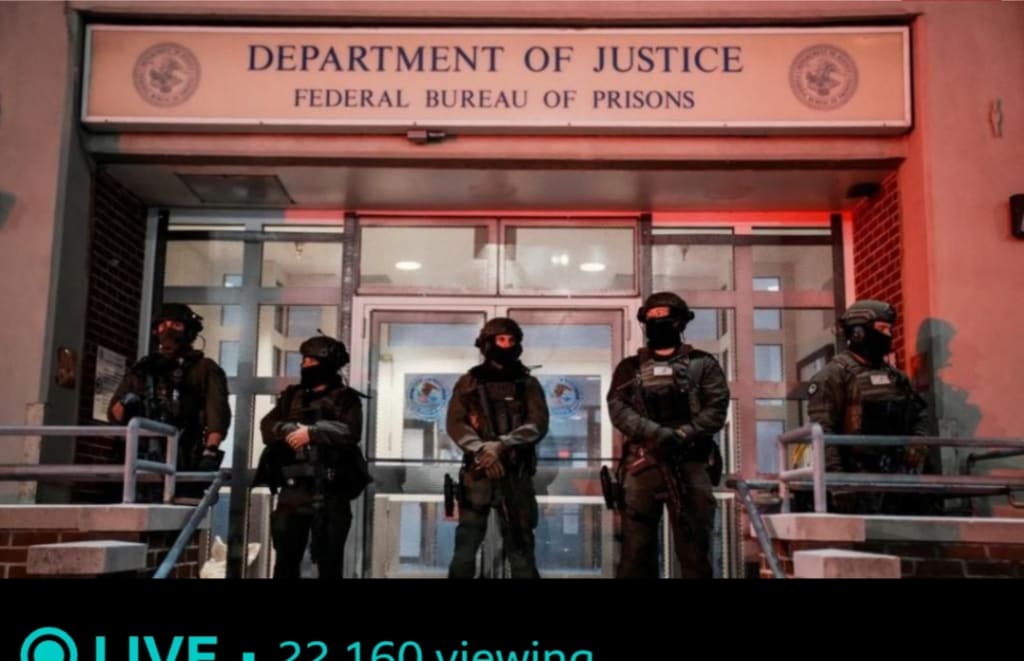
The political world has been shaken by reports that Venezuelan President Nicolás Maduro is now in custody at a New York detention centre, a development that—if confirmed—marks one of the most dramatic turns in modern Latin American geopolitics. The shock intensified when former U.S. President Donald Trump declared that the United States would “run” Venezuela, signaling an unprecedented assertion of power over a sovereign nation.
For years, Venezuela has existed at the center of ideological conflict between Washington and Caracas. Yet this moment feels different. It is not merely rhetoric or sanctions—it is a symbolic rupture, raising profound questions about international law, sovereignty, and the future of Venezuela’s people.
How Venezuela Reached This Breaking Point
Venezuela’s crisis did not emerge overnight. Once one of Latin America’s wealthiest nations, the country has endured economic collapse, hyperinflation, mass migration, and political repression over the past decade. Maduro, successor to Hugo Chávez, has been accused by critics of dismantling democratic institutions, suppressing dissent, and clinging to power through controversial elections.
The United States has long refused to recognize Maduro as Venezuela’s legitimate leader, instead backing opposition figures and imposing sweeping sanctions. These measures were framed as efforts to restore democracy, but critics argue they deepened civilian suffering while failing to dislodge the regime.
Maduro’s reported detention in New York represents a dramatic escalation—moving from pressure to direct action.
Trump’s Statement and Its Global Implications
Trump’s assertion that the U.S. will “run” Venezuela has sparked fierce debate across diplomatic circles. Supporters interpret the remark as bold leadership, arguing that Venezuela requires firm external control to rebuild institutions and restore stability. In their view, international intervention could end corruption, revive oil production, and address the humanitarian crisis.
Opponents, however, see the statement as a dangerous violation of national sovereignty. International law traditionally rejects the idea of one nation “running” another, particularly without multilateral consent. Critics warn that such language echoes colonial-era thinking and could destabilize the entire region.
The global response has been swift. Several Latin American governments have urged restraint, while European leaders have called for transparency and adherence to due process. The United Nations has emphasized the importance of peaceful, lawful solutions.
What Maduro’s Custody Could Mean
If Maduro remains in U.S. custody, the consequences could be seismic. His detention may embolden opposition forces within Venezuela, potentially accelerating political transition. Yet it could also trigger backlash from loyalists within the military and government, raising the risk of internal conflict.
For ordinary Venezuelans, the situation is deeply uncertain. Many citizens hope this moment could mark the beginning of meaningful change—an end to shortages, emigration, and fear. Others worry that external control could replace one form of domination with another, leaving the population caught between competing powers.
The symbolism of a sitting—or recently sitting—head of state held in a New York detention centre cannot be overstated. It challenges assumptions about political immunity and signals that global power dynamics are shifting.
Oil, Power, and Strategic Interests
Beyond ideology, Venezuela’s vast oil reserves loom large in this unfolding drama. Control over one of the world’s largest proven oil supplies has long been a strategic goal for global powers. Trump’s comments inevitably revive suspicions that economic interests are driving political decisions.
Supporters counter that reviving Venezuela’s oil sector could stabilize global energy markets and provide resources for rebuilding the country. Critics argue that such outcomes often benefit corporations and foreign governments more than local populations.
History offers cautionary tales of interventions justified by promises of stability that failed to deliver lasting peace.
A Defining Moment for International Order
Maduro’s detention and Trump’s declaration represent more than a bilateral dispute—they test the limits of the current international system. Can powerful nations act unilaterally in the name of democracy? Who decides when sovereignty can be overridden? And what protections remain for smaller states?
The answers will shape not only Venezuela’s future but also global norms for decades to come.
Conclusion: Uncertainty, Hope, and the Road Ahead
As the world watches, Venezuela stands at a crossroads. Maduro’s reported custody could signal the end of an era—or the beginning of deeper turmoil. Trump’s bold statement adds urgency but also controversy, highlighting the fragile balance between intervention and overreach.
For millions of Venezuelans, the ultimate hope remains simple: dignity, stability, and the freedom to determine their own future. Whether this dramatic chapter leads to renewal or renewed conflict will depend on choices made in Washington, Caracas, and beyond.
One thing is certain—this moment will be remembered as a turning point in the history of Venezuela and the evolving landscape of global power.
If you’d like, I can:
Rewrite this with a stronger biblical or moral perspective
Adjust it for SEO optimization
Make it more opinionated or more neutral
Format it exactly to Vocal Media publishing standards
About the Creator
Keep reading
More stories from Aarif Lashari and writers in The Swamp and other communities.
Allegations of Crimes Against Humanity and Genocide Against Uyghurs in China
In recent years, international attention has increasingly focused on allegations that the Chinese government is committing crimes against humanity and genocide against the Uyghur population and other predominantly Muslim, Turkic, and ethnic minority groups in the Xinjiang region. Reports from human rights organizations, eyewitness testimony, leaked documents, and government data have painted a troubling picture of systematic persecution that has shocked activists, policymakers, and ordinary citizens around the world.
By Aarif Lashari16 days ago in The Swamp
Key Factors for Investors Seeking Relative Value in Precious Metals in 2026 – CME Group’s Norland
uram As 2026 unfolds, precious metals remain at the forefront of global investment strategy discussions. The dramatic price rallies seen in gold, silver, platinum, and palladium have not only captured headlines, but also intensified interest among institutional and retail investors alike. According to insights from Erik Norland, Managing Director and Chief Economist at CME Group, understanding relative value within the precious metals complex is critical for investors seeking optimal allocation and risk-adjusted returns this year.
By Salaar Jamaliabout 13 hours ago in The Swamp


Comments
There are no comments for this story
Be the first to respond and start the conversation.