
Macron to Seek Use of EU Anti‑Coercion Instrument Against the U.S.
France pushes for an unprecedented European response to U.S. trade threats.
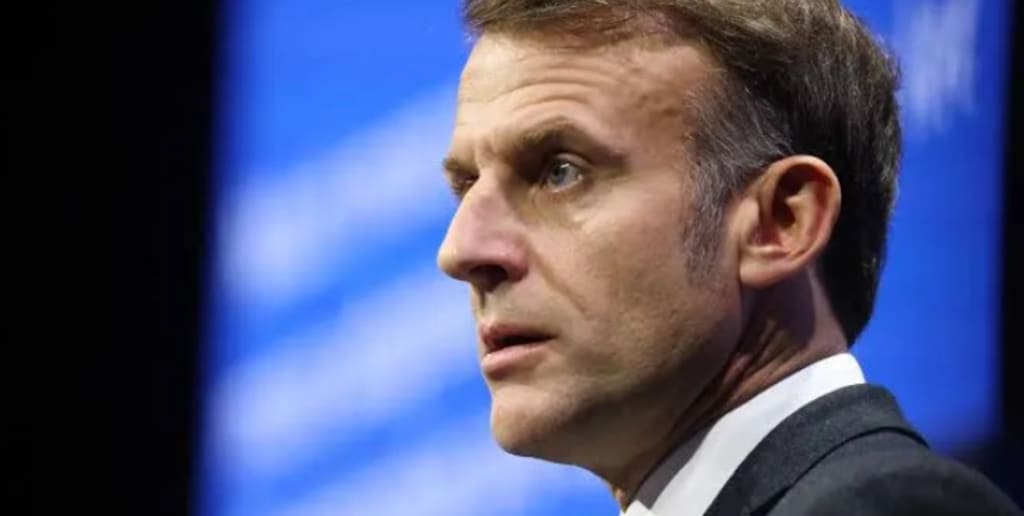
In a bold move that could reshape the future of transatlantic relations, French President Emmanuel Macron is set to urge the European Union to activate its Anti‑Coercion Instrument in response to a fresh wave of U.S. trade threats. The announcement comes after U.S. President Donald Trump hinted at the possibility of new tariffs against several European nations over their reluctance to allow the United States to buy Greenland.
The situation has created a major diplomatic crisis, one that highlights the growing tension between Europe and the U.S. and the complex role of trade and economic policy in today’s global politics. Here’s what you need to know about this developing situation.
What is the Anti‑Coercion Instrument?
The Anti‑Coercion Instrument (ACI) is a legal tool the EU introduced in November 2023, designed to defend Europe from economic coercion by external powers. It's considered the EU’s "trade bazooka" — essentially a weapon for the European Commission to use in extreme cases of foreign countries trying to use economic pressure to manipulate EU policies.
Think of it like a big red button that the EU can push when diplomacy fails, especially when another country imposes trade sanctions or tariffs to influence EU decisions. Once activated, the ACI gives Europe the ability to retaliate with countermeasures like higher tariffs, market restrictions, and investment limits. It’s a powerful tool that’s never been used — until now.
So, why is Macron talking about it now?
Why is Macron Pushing for the ACI?
It all started with President Trump’s threats. Recently, he announced that if European nations — including France, Germany, the UK, and others — don’t support the U.S.’s interest in Greenland, the U.S. would impose tariffs of up to 10% on a range of European goods, with a possibility of increasing those tariffs to 25% by mid-year.
For Macron and other European leaders, this has been seen as economic blackmail. Trump’s rhetoric ties economic pressure directly to diplomatic leverage over something as complex as Greenland’s future. Naturally, Europe is upset by the aggressive stance, especially since the U.S. and EU have long been strategic allies.
Macron has stated that this is more than just a trade spat; it’s about Europe’s sovereignty and strategic autonomy. In other words, Europe shouldn’t be bullied into bending to the will of one country, no matter how powerful it is.
In his upcoming meetings, Macron is expected to make the case for using the ACI as a countermeasure against what he sees as coercive U.S. actions. And if successful, the EU could take steps to hit back in ways that would shake the U.S. where it hurts: economically.
What Could Happen if the EU Uses the ACI?
If the EU follows through with Macron’s suggestion and activates the Anti‑Coercion Instrument, the consequences could be far-reaching. Here’s what could happen:
Higher Tariffs: The EU might impose its own tariffs on key American goods, targeting areas like technology, defense products, or agriculture — sectors where the U.S. holds strong.
Market Restrictions: Europe could limit access to its public procurement market for U.S. companies, affecting major corporations and industries that depend on EU contracts.
Investment Barriers: The EU could block or limit American investments in European sectors, especially in high-tech industries or critical infrastructure.
Sector-Specific Measures: Europe might focus on areas like digital services, intellectual property, or energy — sectors crucial for future growth and global competitiveness.
While these actions are not guaranteed, and some EU countries have expressed a desire to avoid escalating the situation, the ACI provides the European Commission with the legal framework to act decisively.
The Broader European Reaction
Not all European leaders are on the same page regarding how to handle this trade crisis.
Some, like Germany, Denmark, and the Netherlands, have voiced strong support for taking a stand against U.S. tariffs, including potentially using the Anti‑Coercion Instrument. They argue that Europe must defend its economic sovereignty and send a clear message to Washington: coercive trade tactics won’t be tolerated.
However, countries like Ireland have called for caution. They warn that escalating tensions could harm global trade and create significant economic fallout for all parties involved. Ireland and others emphasize the importance of continuing dialogue with the U.S. before taking any drastic measures.
Macron’s Strategic Calculus
For Macron, this is about more than just economics — it’s about political leadership and the future of Europe. Macron is positioning himself as the defender of European autonomy and sovereignty. By pushing for the use of the Anti‑Coercion Instrument, he is signaling that Europe is no longer willing to be intimidated by the United States or other external powers.
However, this is also a tricky moment for the EU. President Ursula von der Leyen and other EU officials have made it clear that they prefer negotiation over confrontation. While von der Leyen has acknowledged the U.S. tariffs, she has also stressed the importance of de-escalation and using the ACI only as a last resort.
If Europe activates the tool, it will be a historic move — one that could permanently alter the EU’s relationship with the United States. The EU has always valued diplomacy over confrontation, but recent trade disputes are forcing it to reconsider that approach.
What Does This Mean for EU‑U.S. Relations?
The outcome of this standoff will likely have a significant impact on future EU-U.S. trade relations. If the EU activates the ACI, it will mark a turning point in how Europe engages with the U.S. in trade disputes. The EU will be sending a clear message that it is ready to stand up for its interests — even if it means facing off with a superpower.
At the same time, the crisis raises broader questions about the future of global trade and diplomatic alliances. If Europe and the U.S. can no longer cooperate in trade, what does that mean for other global issues like security, defense, and climate change?
The next few months will be critical in determining whether Europe’s economic autonomy can withstand the growing pressure from the U.S. and whether transatlantic relations can endure this latest challenge.
Final Thoughts
As tensions between the U.S. and Europe continue to rise, Macron’s push for using the Anti‑Coercion Instrument represents a pivotal moment in global trade policy. It’s a clear signal that Europe is no longer willing to passively accept economic pressure from external powers — especially not from an ally.
The world will be watching closely as the EU navigates these uncharted waters, and the outcome of this conflict will likely shape EU-U.S. relations for years to come.
About the Creator
Keep reading
More stories from Aqib Hussain and writers in The Swamp and other communities.


Comments
There are no comments for this story
Be the first to respond and start the conversation.