
M23’s Advance Exposes Fragile Diplomacy Between Rwanda and the Democratic Republic of Congo.
Escalating violence highlights the limits of diplomacy in eastern Congo

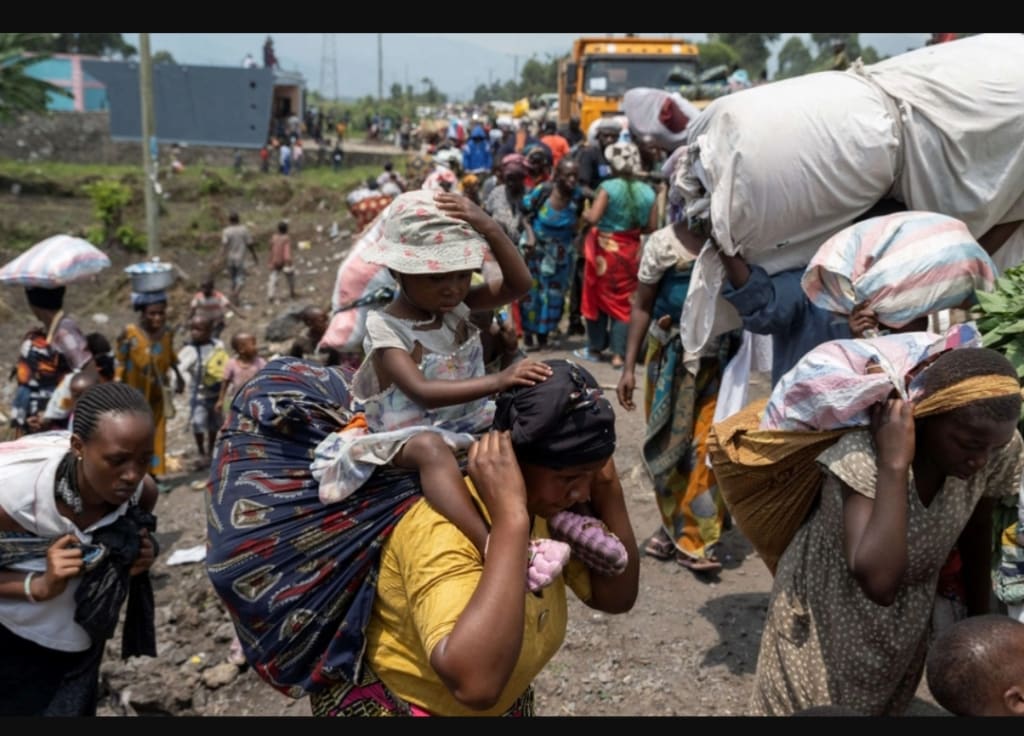
The renewed advance of the M23 rebel group in eastern Democratic Republic of Congo (DRC) has once again exposed how fragile diplomatic relations remain between Congo and neighboring Rwanda. Despite repeated peace agreements, ceasefire announcements, and international mediation, the latest offensive highlights the persistent mistrust, unresolved grievances, and regional power struggles that continue to destabilize Central Africa’s Great Lakes region.
A Conflict That Refuses to End
The M23 rebel group has re-emerged as one of the most powerful armed factions operating in eastern Congo. Originating from a failed peace deal more than a decade ago, the group claims to protect the interests of Congo’s Tutsi population. However, its recent military gains suggest ambitions that go far beyond local grievances.
As M23 fighters push deeper into North and South Kivu provinces, the Congolese government finds itself struggling to maintain territorial control. Towns and strategic routes have fallen rapidly, forcing civilians to flee and exposing the weakness of state authority in the region.
Diplomacy Under Strain
Relations between Rwanda and the DRC have long been tense, shaped by historical trauma, cross-border violence, and competing security interests. Kinshasa has repeatedly accused Rwanda of backing the M23 rebels with weapons, training, and logistical support. Kigali strongly denies these allegations, insisting that it is acting only to defend its borders from hostile militias.
Recent diplomatic efforts, including U.S.- and African Union-backed peace initiatives, were meant to de-escalate tensions. Yet the timing of M23’s latest advances has cast doubt on the sincerity and effectiveness of these agreements. Each new rebel offensive weakens trust and undermines confidence in dialogue as a path to peace.
Rwanda’s Security Concerns vs. Congo’s Sovereignty
At the heart of the dispute lies a clash of priorities. Rwanda argues that armed groups operating in eastern Congo pose a direct threat to its national security, particularly militias linked to perpetrators of the 1994 genocide. From Kigali’s perspective, Congo has failed to neutralize these threats.
Congo, on the other hand, views Rwanda’s actions as a violation of its sovereignty. The presence of foreign-backed armed groups on its soil reinforces perceptions that the country is being destabilized for political and economic gain. This fundamental disagreement continues to block meaningful cooperation.
Civilians Caught in the Middle
As diplomacy falters, ordinary people pay the highest price. The M23 advance has triggered mass displacement, with families abandoning homes, farms, and livelihoods to escape violence. Camps for internally displaced people are overcrowded, underfunded, and often unsafe.
Access to food, healthcare, and education has deteriorated sharply in affected areas. Women and children are particularly vulnerable, facing heightened risks of exploitation and abuse. Humanitarian agencies warn that without a lasting political solution, the crisis will only deepen.
Regional Implications
The instability in eastern Congo does not exist in isolation. Neighboring countries such as Burundi and Uganda are increasingly concerned about the spillover effects of the conflict. Armed movements, refugee flows, and economic disruption threaten to destabilize the wider region.
International observers fear that continued escalation could trigger a broader confrontation involving multiple states. The Great Lakes region has experienced such regional wars before, and the memory of those conflicts still looms large.
The Limits of Peace Deals
One of the key lessons from the current crisis is the limitation of peace agreements that exclude armed actors like M23. While governments may sign documents and make public commitments, realities on the ground often tell a different story.
Without enforcement mechanisms, monitoring, and inclusive negotiations, agreements risk becoming symbolic gestures rather than tools for change. The repeated collapse of ceasefires has left communities skeptical and hardened attitudes on all sides.
What Must Change?
Experts argue that lasting peace will require more than diplomatic statements. Congo must strengthen governance and security in its eastern provinces, while Rwanda must address regional concerns through transparent and cooperative means. International partners also play a crucial role by applying consistent pressure and supporting long-term stabilization efforts.
Most importantly, civilians must be placed at the center of any solution. Protecting lives, restoring trust, and rebuilding communities are essential steps toward breaking the cycle of violence.
Conclusion
M23’s advance has once again revealed how fragile diplomacy remains between Rwanda and the Democratic Republic of Congo. As rebel forces gain ground, trust erodes and peace agreements lose credibility. Without genuine commitment, accountability, and inclusive dialogue, eastern Congo risks remaining trapped in perpetual conflict.
The situation serves as a stark reminder that peace is not achieved through signatures alone—it requires sustained action, mutual trust, and the political will to confront uncomfortable truths on all sides.
About the Creator
Asad Ali
I'm Asad Ali, a passionate blogger with 3 years of experience creating engaging and informative content across various niches. I specialize in crafting SEO-friendly articles that drive traffic and deliver value to readers.
The Devil's Cut
“Comrade, finally you’re awake.” The voice was smooth, sensual. A flickering incandescent bar was all that lit the white, sterile room. All Vladimir remembered was everything going black. He tried to move his arms and found them strapped to the gurney.
By Matthew J. Fromm6 days ago in Fiction


Comments
There are no comments for this story
Be the first to respond and start the conversation.