
Killing Khamenei? Hitting Military Sites? It Is Unclear What a US Attack on Iran Would Achieve
Experts warn that military strikes on Iran could escalate conflict without clear results

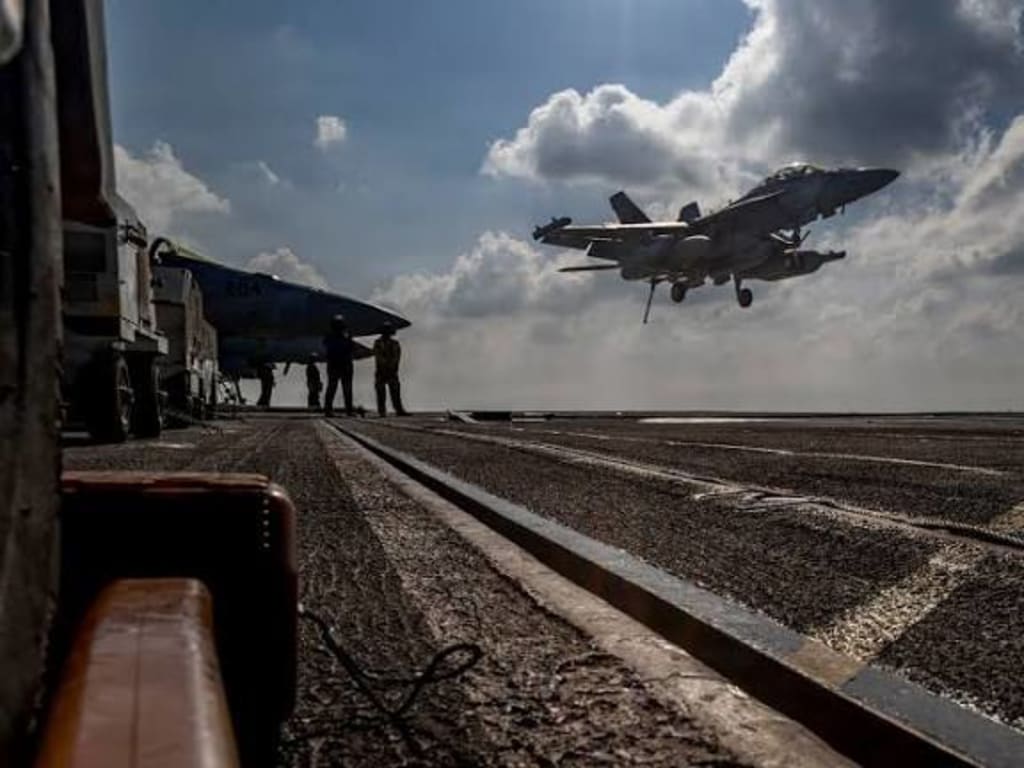
The risks, limits, and uncertainties of military action in a tense region
As tensions between the United States and Iran continue to escalate, questions about military options have dominated headlines. Some analysts speculate about targeted strikes on Iran’s leadership, including Supreme Leader Ayatollah Ali Khamenei, while others discuss the possibility of hitting military infrastructure. Yet experts caution that the outcomes of such actions are highly uncertain and may not achieve the goals policymakers hope for.
Understanding the complexities of a potential attack is essential—not just for governments, but for anyone following international security and global stability.
The Appeal and Risks of Targeting Leadership
Proposals to target Khamenei stem from the belief that removing top leadership could disrupt Iran’s decision-making and weaken its military and political strategy. Some argue that striking at the head could send a clear message, demonstrating that the U.S. will respond forcefully to perceived threats.
However, history and analysis suggest several risks:
Power vacuums can be unpredictable: Removing a leader does not guarantee stability. Iran’s political and military systems may quickly reorganize, or more hardline leaders could emerge.
Escalation of conflict: A direct attack on Khamenei would almost certainly be viewed as a declaration of war, prompting immediate retaliation against U.S. interests, allies, and regional partners.
Civilian impact: Leadership targets are rarely isolated. Military operations risk collateral damage, potentially inflaming public anger and increasing anti-U.S. sentiment.
Targeting a country’s leader is a high-risk gamble with uncertain benefits. Experts stress that even successful strikes may prolong conflict rather than shorten it.
Military Sites: Limited Gains, High Costs
Another option often discussed is hitting Iran’s military infrastructure, such as missile bases, nuclear facilities, or drone operations. While these attacks may seem more measurable, the impact is far from guaranteed.
Challenges include:
Redundancy and mobility: Iran’s missile and drone programs are highly dispersed. Destroying one site may only temporarily disrupt operations.
Asymmetric responses: Iran can use proxies in the region, cyberattacks, or maritime actions to retaliate in ways that are difficult to counter.
International backlash: Attacking military sites risks violating international law or drawing condemnation from allies, particularly if civilian casualties occur.
Even if tactical gains are achieved, strategic goals such as reducing Iran’s influence or stopping missile programs may remain unmet.
Political and Regional Considerations
U.S. policymakers also have to weigh the political consequences of military action. A strike on Iran could:
Strain relations with allies: Countries like Germany, France, and others have consistently urged restraint and diplomacy.
Trigger regional instability: Iraq, Syria, Lebanon, and Yemen could see escalated violence, threatening civilian populations and energy markets.
Fuel domestic debates: Public opinion in the U.S. is divided on foreign military interventions, particularly after prolonged conflicts in Iraq and Afghanistan.
The complex web of alliances, trade interests, and humanitarian concerns makes military options far from simple.
Diplomatic Alternatives and Limitations
Before contemplating strikes, analysts argue that diplomacy and economic measures remain critical tools. Sanctions, negotiations over nuclear programs, and backchannel communication have had varying success over the years.
Still, diplomacy has limits:
Iran may resist negotiations perceived as coercive.
Long-standing mistrust between Tehran and Washington reduces the effectiveness of conventional diplomacy.
Military posturing can complicate dialogue, as both sides interpret actions as threats rather than incentives.
In short, while military strikes are dramatic, they may not replace the slow, uncertain work of negotiation.
Lessons From History
Past U.S. interventions in the Middle East illustrate the unpredictable nature of military action:
Iraq (2003): The removal of Saddam Hussein destabilized the region, leading to years of insurgency and regional instability.
Libya (2011): Targeted strikes removed a dictator, but the country descended into chaos and civil war.
Syria (2010s): Limited military actions often had unintended consequences, including strengthening extremist groups.
These examples highlight that even tactical victories do not guarantee strategic success.
The Human and Economic Costs
Beyond strategy, potential attacks carry humanitarian and economic consequences. Civilian casualties, displacement, and destruction of infrastructure can create long-term suffering. Energy markets could be disrupted, affecting global oil and gas prices. Insurance, shipping, and international trade may all feel ripple effects from even a short conflict.
The costs of miscalculation are high—both regionally and globally.
Conclusion: Unclear Outcomes in a High-Stakes Situation
While discussions of targeting Khamenei or military sites dominate headlines, experts emphasize that the results of any U.S. attack on Iran are deeply uncertain. Military options may not achieve strategic goals, could provoke severe retaliation, and risk destabilizing an already volatile region.
Policymakers face a difficult balance: demonstrating resolve, protecting allies, and deterring aggression, while avoiding unintended escalation and long-term consequences.
Ultimately, the debate underscores a key lesson: in complex conflicts, action does not always equal resolution. Diplomacy, careful planning, and understanding regional dynamics remain crucial. A strike may be dramatic, but whether it achieves anything meaningful—or simply inflames tensions—remains far from clear.
About the Creator
Fiaz Ahmed
I am Fiaz Ahmed. I am a passionate writer. I love covering trending topics and breaking news. With a sharp eye for what’s happening around the world, and crafts timely and engaging stories that keep readers informed and updated.
Keep reading
More stories from Fiaz Ahmed and writers in The Swamp and other communities.
Parliamentarians Say They Take “No Comfort” in China Dropping Sanctions – UK Politics
UK lawmakers remain cautious despite China lifting certain sanctions, citing ongoing concerns about human rights and geopolitical influence British parliamentarians have expressed skepticism following reports that China has dropped several sanctions imposed on the United Kingdom. While Beijing framed the move as a gesture toward improving bilateral relations, many UK lawmakers insist that the decision provides “no comfort” in light of ongoing tensions over human rights, trade, and international security. The episode highlights the complex nature of modern diplomacy, where symbolic actions often collide with long-term strategic concerns. Background: Why the Sanctions Were Imposed China had initially imposed sanctions on UK officials, academics, and entities in response to the United Kingdom’s criticism of human rights practices in Xinjiang and Hong Kong. Sanctions included travel bans and restrictions on engagement with Chinese institutions. These measures were part of a broader international response, aimed at pressuring China to address allegations of human rights violations. The UK, alongside partners like the EU, the U.S., and Canada, sought to demonstrate that violations of international norms would have consequences. China’s Recent Decision Reports indicate that China has lifted some of the sanctions, framing the move as a positive step toward better diplomatic relations. Chinese officials emphasized the desire to restore constructive dialogue and strengthen trade ties. However, the move does not signal an end to all tensions. Many restrictions remain in place, and the lifting of sanctions is widely viewed as symbolic rather than substantive. Parliamentarians’ Reaction: “No Comfort” UK lawmakers from across the political spectrum have stressed that the lifting of sanctions should not be seen as an endorsement of China’s policies. Key points include: Human rights remain a pressing concern: Allegations of forced labor, mass surveillance, and suppression of dissent continue to attract scrutiny. Geopolitical caution: China’s growing influence in trade, technology, and global governance remains a topic of concern. Diplomacy versus principle: Parliamentarians emphasize that improving relations should not come at the cost of compromising on values. One senior MP noted, “While it is encouraging that tensions may reduce slightly, we cannot take comfort until China addresses the fundamental issues we raised.” Trade and Economic Implications The lifting of sanctions could have practical benefits for businesses and universities that faced restrictions. Trade talks may resume more smoothly, and academic exchanges could restart without the previous limitations. However, some experts warn that economic incentives cannot replace principles. Companies and policymakers are urged to maintain vigilance in ensuring that trade with China does not inadvertently support practices deemed unacceptable by UK standards. Diplomatic Significance China’s decision to drop sanctions may also serve as a strategic signal: Domestic messaging: Demonstrating flexibility may bolster China’s image internationally as a cooperative power. Testing UK responses: By easing restrictions slightly, Beijing can gauge how UK politicians and institutions react. Influence and leverage: Even partial removal of sanctions can be a subtle tool for shaping UK policy without formal agreements. Parliamentarians argue that careful scrutiny is essential, as symbolic gestures do not necessarily reflect genuine changes in policy or practice. Broader Geopolitical Context The UK’s caution is also informed by the broader global relationship with China: Military and security concerns: China’s actions in the South China Sea and its defense policies remain a source of tension. Alliances and partnerships: The UK is closely aligned with the EU, U.S., and other partners who continue to press China on human rights and security issues. Soft power competition: Cultural and economic influence are increasingly important arenas of international competition. Given these factors, parliamentarians stress that improved diplomatic tone does not erase strategic risks. Calls for Continued Oversight Lawmakers are calling for a continued, measured approach: Maintaining sanctions where necessary Monitoring trade agreements to ensure ethical compliance Supporting human rights initiatives both domestically and internationally Keeping diplomatic channels open but cautious The message is clear: the UK will remain principled while pursuing pragmatic engagement, avoiding the perception that easing sanctions equals full approval of China’s actions. Conclusion: Symbolic Steps, Substantive Concerns While China’s decision to lift some sanctions may appear positive on the surface, UK parliamentarians emphasize that “no comfort” should be taken from the move alone. Human rights concerns, strategic competition, and ethical standards continue to guide policymaking. The episode highlights the complex balance between diplomacy, trade, and principle. In an interconnected world, governments must carefully navigate gestures of goodwill without compromising core values. For now, the UK remains cautious, monitoring developments closely, and insisting that symbolic gestures must be matched by substantive change.
By Fiaz Ahmed about 17 hours ago in The Swamp
Nipah Virus Outbreak in India Triggers Airport Screenings Across Asia
A Nipah virus outbreak in India has prompted heightened alert levels across Asia, with several countries introducing airport health screenings to prevent the virus from spreading beyond national borders. While officials stress that the situation is under control, memories of COVID-19 have made governments and travelers alike wary of any emerging infectious threat.
By Aarif Lashari3 days ago in The Swamp




Comments
There are no comments for this story
Be the first to respond and start the conversation.