
Jewish Australians Must Be Safe From Fear or Harassment. But Shielding Isaac Herzog From Legitimate Protest Is Not the Answer
Balancing community safety with the fundamental right to peaceful dissent Why protecting minorities must not come at the cost of democratic freedoms Security concerns clash with civil liberties during a controversial state visit Safeguarding Jewish Australians while preserving the right to protest A test of Australia’s commitment to both tolerance and free expression

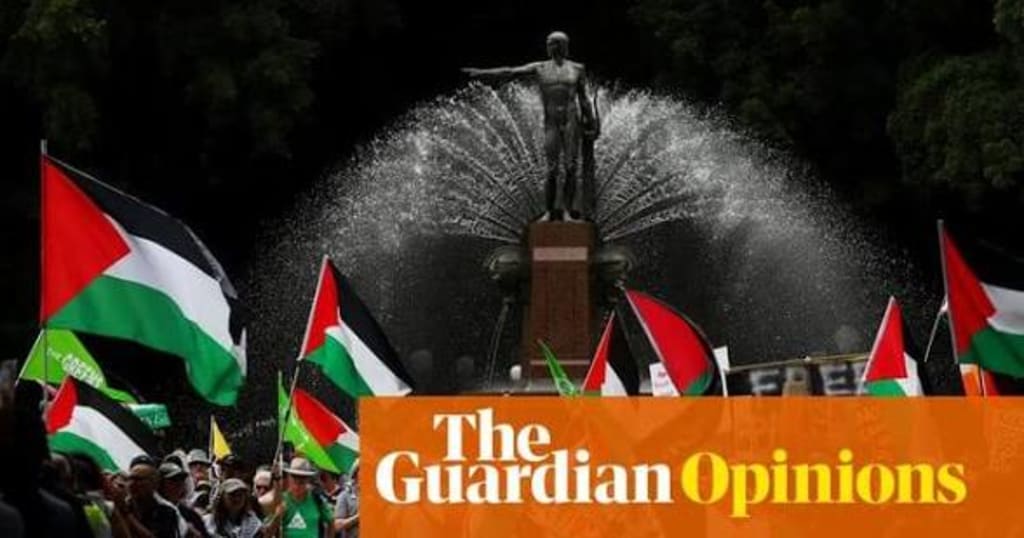
Australia faces a difficult but necessary balancing act: ensuring the safety and dignity of Jewish Australians while also protecting the democratic right to peaceful protest. This tension came into sharp focus following heightened security measures surrounding the visit of Israeli President Isaac Herzog, with authorities moving to restrict or discourage demonstrations in the name of public order. While concerns over antisemitism and public safety are legitimate, shielding political leaders from lawful protest risks undermining the very freedoms that define Australian democracy.
The Real Threat of Antisemitism
There is no question that antisemitism has increased globally in recent years, including in Australia. Jewish community organizations have reported a rise in verbal abuse, vandalism, and online harassment. For many Jewish Australians, international conflicts have translated into local anxiety, as political rhetoric spills into social spaces, workplaces, and schools.
The responsibility of the Australian government is clear: Jewish citizens must be protected from fear, intimidation, and violence. Harassment based on religion or ethnicity is unacceptable, and law enforcement must respond decisively to threats or hate crimes. These protections, however, should not be conflated with efforts to silence political criticism or suppress public dissent.
Criticism of the Israeli government or its policies is not inherently antisemitic. Equating protest with hatred risks diluting the meaning of antisemitism and weakening the fight against genuine prejudice.
The Role of Protest in a Democracy
Peaceful protest is a cornerstone of democratic society. From civil rights movements to anti-war campaigns, public demonstrations have long served as a means for citizens to express opposition to policies they believe are unjust. Australia’s democratic tradition depends on the ability of people to gather, speak, and challenge power without fear of reprisal.
Isaac Herzog’s visit, as that of a foreign head of state, naturally involves heightened security. However, the decision to curtail or tightly control demonstrations around his presence raises serious questions. When governments preemptively restrict protests to avoid political discomfort, they risk turning public safety into a tool of political insulation.
Protest does not equate to disorder. In fact, well-organized demonstrations often strengthen democratic legitimacy by allowing grievances to be aired openly rather than suppressed and driven underground.
Separating Safety From Silence
Authorities often argue that restrictions on protests are necessary to prevent clashes or threats. But this logic becomes problematic when applied too broadly. The presence of protest does not automatically endanger Jewish Australians. On the contrary, conflating political opposition with communal threat risks deepening divisions and creating a false narrative that Jewish identity and Israeli state policy are inseparable.
Many Jewish Australians themselves hold diverse views on Israeli politics. Some support the government; others strongly oppose it. Treating criticism of Israel as inherently hostile to Jewish people denies this diversity and risks marginalizing voices within the Jewish community who advocate for peace, reform, or accountability.
Protecting Jewish Australians means ensuring their safety from harassment—not shielding political leaders from scrutiny.
A Precedent With Consequences
Restricting protests around Herzog’s visit sets a troubling precedent. If authorities can silence demonstrations for one foreign leader due to political sensitivity, what prevents the same approach from being applied to others? Democracy weakens when leaders are insulated from criticism, especially on controversial international issues.
Civil liberties advocates warn that such measures normalize exceptional powers that can later be used more broadly. The language of security, once expanded, is rarely narrowed again. What begins as protection can evolve into permanent limitation on public expression.
This concern is not theoretical. History shows that emergency measures introduced during tense political moments often linger long after the immediate crisis passes.
The Risk of Polarization
Suppressing protest may also inflame tensions rather than calm them. When people feel silenced, frustration grows. Open, visible protest allows grievances to be expressed within lawful boundaries. It gives communities an outlet for disagreement and encourages dialogue rather than confrontation.
Moreover, portraying protesters as threats can harden attitudes on both sides. Jewish Australians may feel they are being targeted for political reasons, while protesters may feel their rights are being sacrificed for diplomatic convenience. Neither outcome fosters social cohesion.
True safety is not achieved through silence but through trust in democratic institutions and mutual respect among communities.
What a Better Approach Looks Like
A more balanced response would protect both community safety and democratic rights. This means:
Enforcing laws against hate speech and violence without criminalizing political expression.
Allowing peaceful protests in designated areas with appropriate security measures.
Engaging with community leaders to reduce tension and clarify that protest is directed at policy, not people.
Publicly distinguishing between antisemitism and political criticism.
Such an approach affirms that Jewish Australians deserve protection from harassment while also affirming that political leaders—domestic or foreign—are not above scrutiny.
A Test of Democratic Maturity
Australia’s response to controversial visits and international conflicts is a test of its democratic maturity. It must show that it can protect minorities without eroding civil liberties. Shielding Isaac Herzog from legitimate protest may appear to offer short-term stability, but it risks long-term damage to democratic norms.
The goal should not be to eliminate discomfort but to manage disagreement peacefully. Democracy is not defined by the absence of conflict but by how conflict is handled.
Conclusion
Jewish Australians must be safe from fear, intimidation, and harassment—this is non-negotiable. But safety cannot come at the expense of free expression and peaceful protest. Protecting one community should not require silencing another.
Legitimate protest against political leaders, including Isaac Herzog, is not a threat to democracy; it is a sign of it working. The challenge for Australia is to uphold both security and freedom, proving that it can defend its citizens without abandoning its principles.
In moments of political tension, restraint and clarity matter most. A society confident in its values does not hide its disagreements—it confronts them openly, lawfully, and with respect.
About the Creator
Fiaz Ahmed
I am Fiaz Ahmed. I am a passionate writer. I love covering trending topics and breaking news. With a sharp eye for what’s happening around the world, and crafts timely and engaging stories that keep readers informed and updated.
Keep reading
More stories from Fiaz Ahmed and writers in The Swamp and other communities.
US Healthcare Needs Fixing, But There’s No Agreement on How to Do It
Few issues unite Americans more than the belief that the nation’s healthcare system is deeply flawed. Rising costs, uneven access, and persistent gaps in quality have left patients, providers, and policymakers frustrated. Yet despite broad consensus that reform is necessary, there is little agreement on what that reform should look like. Political divisions, economic interests, and ideological differences have made healthcare one of the most contested and complex policy arenas in the United States. A System Under Strain The United States spends more on healthcare per person than any other developed nation, yet millions remain uninsured or underinsured. Even those with coverage often face high deductibles, surprise bills, and limited provider networks. Hospitals struggle with staffing shortages, while rural communities see clinics close due to financial pressure. The COVID-19 pandemic exposed many of these weaknesses. Overcrowded hospitals, inconsistent access to testing and treatment, and confusion about insurance coverage highlighted systemic vulnerabilities. While emergency measures temporarily expanded coverage and funding, many of those programs have now expired, renewing concerns about long-term sustainability. Patients increasingly report delaying care due to cost. Prescription drug prices remain a major burden, particularly for older Americans and those with chronic illnesses. These realities have intensified calls for reform across the political spectrum. Competing Visions for Reform Despite agreement on the problem, proposed solutions vary dramatically. Progressives advocate for a government-run or single-payer healthcare system that would guarantee coverage to all Americans. They argue that healthcare is a human right and that removing profit motives would reduce costs and improve equity. Moderates favor building on the existing system created by the Affordable Care Act (ACA), expanding subsidies, strengthening public insurance options, and regulating private insurers more aggressively. This approach seeks gradual improvement without dismantling private coverage. Conservatives, meanwhile, emphasize market-based reforms. They propose reducing government regulation, increasing competition among insurers and providers, and allowing consumers more choice. Supporters argue that innovation and competition would lower costs and improve quality over time. These sharply different philosophies reflect deeper disagreements about the role of government in American life. For some, healthcare reform is about social justice; for others, it is about economic freedom and efficiency. The Power of Interest Groups Another obstacle to consensus is the influence of powerful healthcare industry stakeholders. Insurance companies, pharmaceutical firms, hospital systems, and professional associations all have vested interests in shaping reform efforts. Lobbying has played a major role in slowing or reshaping proposed legislation. Efforts to control drug prices, for example, have faced fierce resistance from pharmaceutical companies that argue such measures would limit research and innovation. Hospitals worry that reimbursement cuts could force closures, particularly in underserved areas. These competing pressures make it difficult for lawmakers to craft policies that satisfy both public demands and industry concerns. Federal vs. State Approaches The divide between federal and state authority further complicates reform. Some states have expanded Medicaid and experimented with innovative coverage models, while others have resisted federal programs entirely. This patchwork system results in unequal access depending on where a person lives. A low-income resident in one state may qualify for comprehensive coverage, while a similar individual in another state may remain uninsured. Critics argue that healthcare should not depend on geography, while defenders of state autonomy say local governments are better positioned to tailor solutions. Public Opinion Is Fragmented Surveys show Americans want lower costs and better access, but opinions diverge on how to achieve those goals. Many support protections for preexisting conditions and limits on drug prices, yet fewer agree on sweeping structural change. Fear of disruption plays a role. Millions receive insurance through employers and worry that major reform could jeopardize coverage they depend on. Others distrust government-run systems, citing concerns about bureaucracy and long wait times. This uncertainty creates political risk for lawmakers, who face backlash regardless of the path they choose. Technology and the Future of Care While political debates stall, technology is reshaping healthcare delivery. Telemedicine, artificial intelligence, and digital health records promise improved efficiency and access, particularly for rural and elderly patients. However, these innovations also raise new challenges related to privacy, regulation, and inequality. Not all Americans have access to reliable internet or digital tools, potentially widening disparities rather than closing them. Experts argue that technological progress must be paired with thoughtful policy reform to ensure benefits are shared equitably. A System at a Crossroads The inability to reach agreement has left the US healthcare system in a state of limbo. Incremental changes continue, but comprehensive reform remains elusive. Each election cycle revives the debate, with healthcare consistently ranking among voters’ top concerns. Without consensus, the system risks becoming more fragmented and expensive. Yet any attempt at major reform will require political courage and compromise across ideological lines. Conclusion The United States agrees on one thing: its healthcare system needs fixing. Where it disagrees is on how to do it. Competing visions, powerful interest groups, and public uncertainty have stalled meaningful progress. Until leaders find common ground, millions of Americans will continue navigating a system that is costly, confusing, and unequal. The challenge ahead is not just designing better policy, but rebuilding trust that reform can improve lives without creating new fears. Healthcare remains both a moral question and a political battleground. Whether consensus can be achieved may define the next chapter of American public policy—and determine whether the promise of affordable, accessible care can finally become reality.
By Fiaz Ahmed 2 days ago in The Swamp
Why Black History Matters in America?
The United States of America is celebrating their 250th anniversary in 2026. I'm proud to be an American and as someone who was born here, I wouldn't imagine myself living anywhere else. This is a country where opportunities are possible. Where anyone can be successful in anything they desire to do. Equality, community, and togetherness are the backbones of what America is and should be about. However, we have an administration who wants to erase and disregard those who have made positive, meaningful impacts in our country, specifically Black figures, such as Martin Luther King, Jr., Rosa Parks, and Maya Angelou. President Trump and his administration have been constantly complaining and fighting against what they call the "Woke agenda". They use this excuse as a distraction from other issues they refuse to address, such as the high cost of living, climate change, and inflation. That equality is dividing America, when in reality, it's bringing us together. Being woke is not tied to a specific political party. No matter where you stand on the political spectrum, you can still care about other people and their plights. Compassion and empathy for others isn't tied to a political party, either. We were taught as children to treat others the way we want to be treated and not judge others because they're different from us. Caring about others isn't a personal attack on your beliefs. It doesn't make you any less of a person. People who are easily offended over African American figures, past or present, or anything related to it, are grasping at straws. Current and future generations need to know who people like Harriet Tubman and Shirley Chisholm were, especially in the classroom. Black History is part of American History. It should be recognized, not hidden or forgotten. Besides, you can't shield children from everything, just because your feelings are easily hurt.
By Mark Wesley Pritchard 6 days ago in The Swamp
Saudi Arabia suspends 1,800 Umrah travel agencies due to poor performance
Saudi Arabia has reportedly suspended around 1,800 Umrah travel agencies following performance reviews that found serious shortcomings in service quality, organization, and compliance with regulations. The decision reflects growing efforts by Saudi authorities to modernize pilgrimage services, improve safety standards, and ensure that millions of religious visitors receive reliable and professional support during their journeys.
By Aarif Lashari5 days ago in The Swamp
Rachel Reviews: Lunch Tales: Teagan by Lucille Guarino
Well, I did enjoy this! Sometimes, all you need is just great storytelling and this is what Lucille Guarino delivers here. There's no big message to this book; it's just about folks and families, living their lives and coping with everything that's being thrown at them and finding their way. But when it's done well, like it is here, then you have characters to whom you can relate, tension which leaves you rooting for a better outcome, attraction which has your heart racing and an urge, as a reader, to see the characters happy with the people with whom they belong.
By Rachel Deeminga day ago in BookClub



Comments
There are no comments for this story
Be the first to respond and start the conversation.