
China Condemns Islamabad Mosque Attack, Reaffirms Strong Support for Pakistan
Beijing’s response highlights deepening strategic ties and a shared commitment to counterterrorism
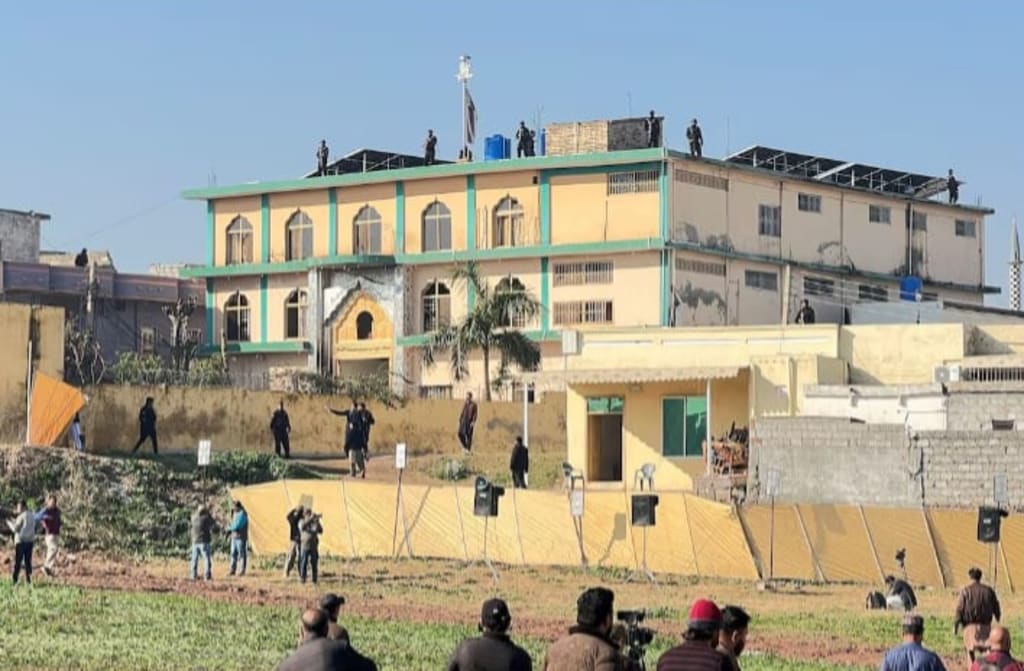
China has strongly condemned the recent attack on a mosque in Islamabad, expressing solidarity with the people and government of Pakistan and reaffirming its unwavering support in the fight against terrorism. The condemnation reflects not only Beijing’s concern over rising security challenges in the region but also underscores the enduring strategic partnership between the two neighboring countries.
In an official statement, Chinese authorities denounced the attack as a “heinous act of violence” and extended condolences to the families of the victims. Emphasizing that terrorism in all its forms poses a grave threat to regional peace and stability, China reiterated its firm opposition to extremism and violence, regardless of where it occurs or whom it targets. The statement also reaffirmed China’s readiness to support Pakistan in maintaining security and safeguarding its citizens.
A Tragic Attack with Broader Implications
The attack on the Islamabad mosque has sent shockwaves across Pakistan, a country that has long grappled with the devastating consequences of militant violence. Places of worship, meant to symbolize peace, unity, and spiritual refuge, have repeatedly been targeted by extremist elements seeking to spread fear and instability. Such attacks not only result in tragic loss of life but also aim to undermine social harmony and national confidence.
Islamabad, as the capital city, holds symbolic importance for Pakistan. Any act of violence within its boundaries draws heightened concern both domestically and internationally. The mosque attack has therefore intensified discussions about internal security, counterterrorism strategies, and the need for regional cooperation to combat militant networks that operate across borders.
China–Pakistan Relations: A Strategic Partnership
China’s swift condemnation of the attack is consistent with its long-standing policy of supporting Pakistan during times of crisis. The two countries share what is often described as an “all-weather strategic cooperative partnership,” rooted in decades of political trust, economic cooperation, and defense collaboration.
Over the years, China has repeatedly expressed support for Pakistan’s counterterrorism efforts, acknowledging the heavy sacrifices made by the country in its struggle against militancy. Beijing has also emphasized that Pakistan’s stability is vital for regional peace, particularly given its geographic location at the crossroads of South Asia, Central Asia, and the Middle East.
The China–Pakistan Economic Corridor (CPEC), a flagship project under China’s Belt and Road Initiative, further elevates the importance of security and stability in Pakistan. Attacks targeting civilians or religious sites threaten not only human lives but also the broader development agenda aimed at improving infrastructure, trade, and economic growth in the region.
A Shared Stand Against Terrorism
In its statement, China stressed that terrorism is a common enemy of humanity and called for enhanced international cooperation to address its root causes. Beijing has consistently advocated for a comprehensive approach to counterterrorism—one that combines security measures with economic development, education, and social inclusion.
Pakistan, for its part, has welcomed China’s support and appreciation. Pakistani officials have reiterated their determination to bring the perpetrators to justice and to prevent such attacks in the future. They have also highlighted the importance of intelligence sharing and regional collaboration in dismantling terrorist networks.
China’s backing sends a strong diplomatic signal that Pakistan is not alone in facing these challenges. It also reinforces the idea that counterterrorism is not merely a national issue but a shared responsibility requiring collective action.
Regional and Global Reactions
Beyond China, the mosque attack has drawn condemnation from various international actors, reflecting a broader consensus against targeting civilians and religious institutions. However, China’s response stands out due to the depth of its strategic ties with Pakistan and its influential role in regional geopolitics.
Analysts note that Beijing’s vocal support also aligns with its broader concerns about security in neighboring regions. Instability in South Asia can have spillover effects, affecting trade routes, economic projects, and regional connectivity initiatives that China considers vital to its long-term interests.
The Road Ahead for Pakistan
While international support is significant, the primary responsibility for ensuring security lies with Pakistan itself. The Islamabad mosque attack has renewed calls for strengthening law enforcement, improving intelligence coordination, and addressing the ideological roots of extremism.
Civil society voices in Pakistan have emphasized the need for unity and resilience in the face of such tragedies. Religious leaders, political figures, and community activists have collectively condemned the attack, urging citizens not to allow violence to divide them.
China’s solidarity, in this context, serves as both a diplomatic reassurance and a reminder of the importance of sustained efforts to achieve lasting peace. Continued cooperation between the two countries—particularly in security, economic development, and people-to-people exchanges—may play a crucial role in countering the forces that seek to destabilize the region.
Conclusion
China’s condemnation of the Islamabad mosque attack and its pledge of continued support for Pakistan highlight the strength of their bilateral relationship and their shared resolve against terrorism. At a time when acts of violence threaten social cohesion and regional stability, such expressions of solidarity carry significant political and moral weight.
As Pakistan mourns the victims and works toward justice, the international community’s support—especially from close partners like China—reinforces the message that terrorism will not be allowed to undermine peace, faith, or the future of the region.
About the Creator
Keep reading
More stories from Ayesha Lashari and writers in The Swamp and other communities.
U.S. and Iran Hold Nuclear Talks Amid Threats of Regional War
In the midst of rising tensions in the Middle East and growing fears of an all-out regional war, the United States and Iran have resumed critical nuclear talks. After years of escalating hostilities, both nations find themselves at a fragile juncture, with the fate of not only their bilateral relations but also regional stability hanging in the balance. These discussions come at a time when Iran’s nuclear program has once again become a focal point in international diplomacy, with the stakes higher than ever before.
By Ayesha Lasharia day ago in The Swamp
Why Black History Matters in America?
The United States of America is celebrating their 250th anniversary in 2026. I'm proud to be an American and as someone who was born here, I wouldn't imagine myself living anywhere else. This is a country where opportunities are possible. Where anyone can be successful in anything they desire to do. Equality, community, and togetherness are the backbones of what America is and should be about. However, we have an administration who wants to erase and disregard those who have made positive, meaningful impacts in our country, specifically Black figures, such as Martin Luther King, Jr., Rosa Parks, and Maya Angelou. President Trump and his administration have been constantly complaining and fighting against what they call the "Woke agenda". They use this excuse as a distraction from other issues they refuse to address, such as the high cost of living, climate change, and inflation. That equality is dividing America, when in reality, it's bringing us together. Being woke is not tied to a specific political party. No matter where you stand on the political spectrum, you can still care about other people and their plights. Compassion and empathy for others isn't tied to a political party, either. We were taught as children to treat others the way we want to be treated and not judge others because they're different from us. Caring about others isn't a personal attack on your beliefs. It doesn't make you any less of a person. People who are easily offended over African American figures, past or present, or anything related to it, are grasping at straws. Current and future generations need to know who people like Harriet Tubman and Shirley Chisholm were, especially in the classroom. Black History is part of American History. It should be recognized, not hidden or forgotten. Besides, you can't shield children from everything, just because your feelings are easily hurt.
By Mark Wesley Pritchard 7 days ago in The Swamp
Nancy Pelosi Warns Press Freedom Is ‘Under Siege’ After Arrest of Journalist
Former U.S. House Speaker Nancy Pelosi has warned that press freedom is “under siege” following the arrest of a journalist in what she described as a troubling escalation of pressure on independent media and democratic institutions. Her comments come amid growing concern from civil liberties groups and lawmakers that journalists are increasingly being targeted for their reporting. Pelosi issued her warning after authorities detained a reporter covering a politically sensitive investigation, an incident that has drawn sharp criticism from press freedom advocates and sparked renewed debate over the treatment of journalists in the United States and abroad. “The free press is the guardian of our democracy,” Pelosi said in a statement. “When journalists are arrested for doing their jobs, it sends a dangerous message and undermines the constitutional principles that protect all of us. Press freedom is under siege, and we must not be silent.” Arrest Sparks Political Backlash The journalist was taken into custody while reporting on alleged misconduct involving senior public officials, according to media organizations familiar with the case. Law enforcement officials said the arrest was related to obstruction and failure to comply with police instructions, but critics argue the action was disproportionate and politically motivated. Video footage circulating online appeared to show the reporter being escorted away from the scene while identifying themselves as a member of the press. The outlet employing the journalist said they were clearly marked as media and had been performing their duties lawfully. Civil liberties groups quickly condemned the arrest, calling it an attack on press freedom and demanding the journalist’s immediate release. The Committee to Protect Journalists said the detention “raises serious concerns about the growing hostility faced by reporters covering controversial or politically sensitive issues.” Pelosi’s Warning on Democratic Norms Pelosi, who has long positioned herself as a defender of democratic institutions, linked the arrest to a broader pattern of pressure on journalists and public accountability. “This is not an isolated incident,” she said. “Across our country and around the world, reporters are being harassed, intimidated, and jailed for telling the truth. This moment calls for moral clarity and firm action from leaders of both parties.” She urged Congress to strengthen legal protections for journalists and reaffirm the importance of the First Amendment, which guarantees freedom of speech and of the press. Pelosi’s remarks echo earlier warnings from international organizations, including the United Nations and Reporters Without Borders, which have noted a decline in global press freedom over the past decade. Response From Authorities Law enforcement officials defended their actions, saying the arrest was not intended to target journalism but to maintain order at the scene of an ongoing investigation. “Our officers acted in accordance with established procedures,” a police spokesperson said. “The individual was detained after refusing repeated lawful orders to leave a restricted area.” However, media lawyers countered that journalists frequently work in challenging environments and that police must make special efforts to respect their role in documenting events of public interest. “Detaining a reporter who is clearly identified as press sets a dangerous precedent,” said a constitutional law expert. “It risks chilling investigative reporting and discouraging journalists from covering sensitive stories.” Growing Anxiety Among Journalists The incident has intensified concerns within the journalism community about safety and legal risks. Reporters’ unions and newsroom editors said they were alarmed by what they view as a shrinking space for independent reporting. “Journalists are not the enemy of the state,” said a spokesperson for a national press association. “They are essential to transparency and accountability. Arrests like this make our work more dangerous and less secure.” Several media organizations announced they were reviewing their safety protocols and legal support for reporters covering protests, court cases, and political investigations. Some journalists have pointed to an increase in threats, harassment, and legal pressure, both online and in physical settings. They argue that political rhetoric portraying the press as untrustworthy has contributed to a climate in which attacks on reporters are more easily justified. International Implications Pelosi also highlighted the international consequences of the arrest, warning that actions against journalists in democratic societies can embolden authoritarian governments elsewhere. “When a democracy fails to protect its press, it weakens its moral authority to speak out against repression abroad,” she said. Human rights groups echoed that concern, noting that governments in several countries have cited Western examples to defend their own crackdowns on media. “This is how norms erode,” said a senior researcher at a global rights organization. “Each incident makes it easier for others to justify even harsher measures.” Calls for Accountability Lawmakers from both parties have called for an independent review of the arrest. A bipartisan group of representatives said they would seek clarification from the Justice Department and local authorities about the circumstances surrounding the detention. Some have proposed legislation aimed at strengthening protections for journalists, including clearer guidelines for law enforcement interactions with the media and penalties for wrongful arrests. The journalist was later released pending further legal proceedings, according to their employer. The outlet said it would contest the charges and pursue legal action if necessary. A Test for Press Freedom The episode has become a symbol of broader anxieties about the state of press freedom in a polarized political environment. Analysts say that while isolated arrests may not indicate systemic repression, they can have powerful symbolic effects. “Democracy depends on scrutiny,” said a political scientist specializing in civil liberties. “If journalists fear arrest or retaliation, fewer stories get told, and the public becomes less informed.” Pelosi concluded her remarks with a call for vigilance and unity in defending democratic values. “We must stand with journalists who risk their safety to bring us the truth,” she said. “Our democracy is strongest when the press is free, fearless, and protected.” As investigations into the arrest continue, the case is likely to fuel ongoing debate about the balance between law enforcement authority and the constitutional rights of the press—an issue that remains central to the health of democratic societies worldwide.
By Fiaz Ahmed Brohi3 days ago in The Swamp
Rachel Reviews: Lunch Tales: Teagan by Lucille Guarino
Well, I did enjoy this! Sometimes, all you need is just great storytelling and this is what Lucille Guarino delivers here. There's no big message to this book; it's just about folks and families, living their lives and coping with everything that's being thrown at them and finding their way. But when it's done well, like it is here, then you have characters to whom you can relate, tension which leaves you rooting for a better outcome, attraction which has your heart racing and an urge, as a reader, to see the characters happy with the people with whom they belong.
By Rachel Deeminga day ago in BookClub


Comments
There are no comments for this story
Be the first to respond and start the conversation.