
Japan Stock Market Crash 2025 Nikkei 225 Plunges Into Bear Market After Worst Fall Since COVID-19
"Nikkei 225 Crashes in 2025: Japan Stock Market Enters Worst Bear Market Since COVID-19"

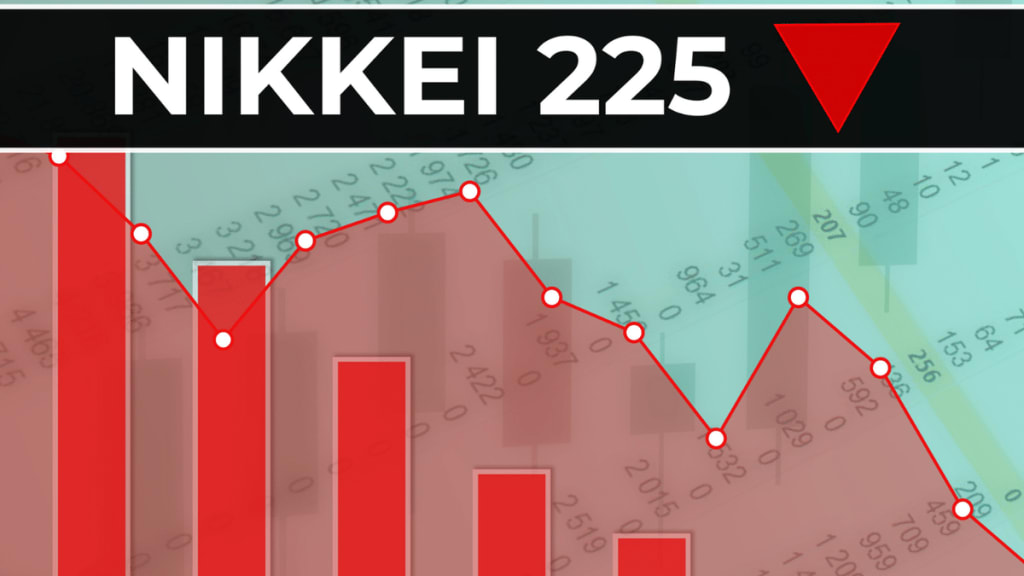
Japan Stock Market Crash 2025 Nikkei 225 Plunges Into Bear Market After Worst Fall Since COVID-19
In a dramatic turn of events global stock markets especially across Asia have witnessed one of their worst downtrends since the COVID-19 crisis. The Tokyo Nikkei 225 Index has taken center stage with an alarming plunge of 7.83% on Monday alone. This latest decline caps a brutal three day rout that has slashed 12.85% off the index and dragged Japan's premier stock index into bear market territory down a staggering 22.32% from its 2025 high set in July 2024. The Nikkei’s steep decline has sent shockwaves through global financial communities with market analysts scrambling to decipher the causes behind such a dramatic fall. While a bear market is typically defined as a decline of 20% or more from recent highs the Nikkei has exceeded that threshold confirming the worst fears of investors who had already been wary amid persistent global uncertainties. Year to date the index has lost 21.95% of its value marking one of the worst performances not seen since the market upheaval caused by the COVID-19 pandemic. This drop is not just a statistical blip it's a reflection of deeper economic anxieties ranging from sluggish domestic demand slowing exports and concerns over the central bank’s tightening monetary policies.
A Contagion Effect Across Asia
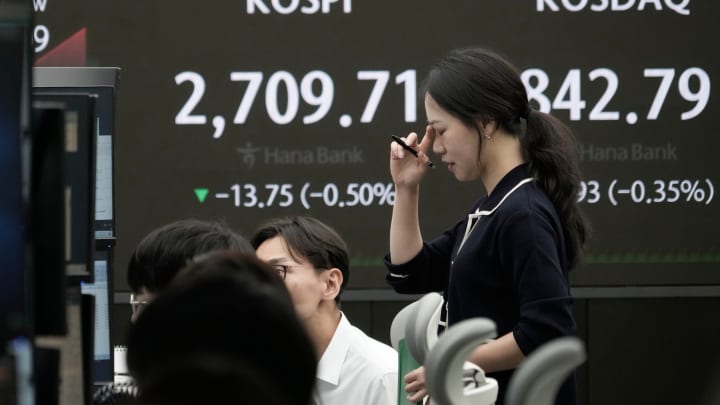
The ripple effects weren’t confined to Japan. Stock markets across Asia followed suit echoing the panic and pessimism that gripped Tokyo. Investors in Hong Kong South Korea and mainland China also faced heavy losses with key indices plunging under the weight of investor sell offs. The Hang Seng Index in Hong Kong already fragile due to ongoing geopolitical tensions and weakened property sector performance fell sharply amid the regional downturn. Meanwhile South Korea’s KOSPI index slipped significantly as fears about slowing global trade and chip exports rattled confidence. Even in China where policymakers have recently ramped up efforts to stimulate the economy investor sentiment remained gloomy. The Shanghai Composite Index although relatively more stable than its regional counterparts posted noticeable losses as concerns grew over China's economic recovery trajectory and continued tensions with major trade partners.
What’s Driving the Slide?
Several factors are converging to create this financial storm. First and foremost concerns over rising interest rates and tightening monetary policy in the U.S have rattled global investors. The Federal Reserve’s firm stance on controlling inflation despite signs of a slowing economy has pushed investors to rethink their strategies in risk heavy markets including equities. Secondly geopolitical uncertainties ranging from the ongoing Russia-Ukraine war to escalating tensions in the Asia Pacific region have injected further volatility. Japan's dependency on global supply chains and energy imports has made it particularly vulnerable to any international disruptions. Thirdly domestic economic indicators in Japan have failed to impress. A weakening yen tepid consumer spending and a soft labor market have all contributed to an atmosphere of caution. Moreover Japan’s central bank’s efforts to tighten its ultra loose monetary policies may have come too late to prevent a market slide but early enough to scare off investors.
Looking Ahead More Turbulence Expected?
Market analysts are warning that the current downturn might not be a temporary correction but the beginning of a more prolonged period of uncertainty. As global central banks navigate the tightrope between inflation control and recession avoidance equity markets are likely to remain volatile. Some analysts suggest that opportunities may exist for long term investors to buy into quality stocks at discounted prices especially if the downward trend continues. However caution is the prevailing sentiment as the macroeconomic landscape remains highly unpredictable. The recent crash in the Nikkei 225 and broader Asian markets marks the most severe slide since the COVID crisis or perhaps even longer. With the Nikkei officially in bear market territory and investor confidence waning the road ahead remains rocky. For now both institutional and retail investors are bracing themselves for further turbulence in the coming weeks hoping that central banks and governments can stabilize the economic ship before the storm deepens further.
SEO KEYWORD:
Japan stock market crash 2025, Nikkei 225 crash, Nikkei bear market, Tokyo stock market fall, Japan market news today, Worst stock market drop since COVID, Asian markets panic 2025, Nikkei index down 22%, Japanese economy 2025, Stock market bear trend Japan, stock market sell-off, economic crisis 2025, investor fear in Asia, global market impact, central bank policy Japan.
About the Creator
Adnan Rasheed
Author & Creator | Writing News , Science Fiction, and Worldwide Update| Digital Product Designer | Sharing life-changing strategies for success.
Keep reading
More stories from Adnan Rasheed and writers in The Swamp and other communities.
Hands Off Protests 2025: Nationwide Rallies Against Trump and Elon Musk’s Government Cuts.
Hands Off Protests 2025: Nationwide Rallies Against Trump and Elon Musk’s Government Cuts. On April 5, 2025 thousands of Americans gathered across the country in a massive wave of coordinated protests titled Hands Off! a direct rebuke to the policies and influence of President Donald Trump and tech billionaire Elon Musk. The demonstrations spanning all 50 states and several international cities marked one of the largest organized acts of resistance since Trump returned to office. Organized by a coalition of over 150 civil rights groups labor unions veterans’ associations and progressive organizations the protests focused on defending vital federal programs like Social Security Medicare and Medicaid which many fear are under threat due to recent governmental actions.
By Adnan Rasheed10 months ago in The Swamp
Taiwan Thanks Canada for Its Support Ahead of Prime Minister’s China Trip
In the often tense and closely watched world of global diplomacy, even a simple statement of thanks can carry enormous political weight. This week, Taiwan publicly expressed gratitude to Canada for its continued support, just days before the Canadian prime minister is set to travel to China. While the words may sound polite and routine, the timing tells a much deeper story—one about strategic alliances, democratic values, and the delicate balancing act Canada must perform on the world stage. This moment highlights not only Taiwan’s growing concern about its international standing, but also Canada’s evolving role in Indo-Pacific geopolitics. As Ottawa prepares to engage directly with Beijing, Taiwan’s message serves as both appreciation and a reminder of what is at stake. Why Taiwan’s Thank-You Matters Taiwan exists in a uniquely complicated diplomatic position. Claimed by China as part of its territory, the self-governed island is recognized by only a small number of countries as a sovereign state. Most nations, including Canada, officially adhere to a “One China” policy—acknowledging Beijing as the sole legal government of China—while maintaining unofficial but meaningful ties with Taipei. Against this backdrop, Canada’s vocal support for peace and stability in the Taiwan Strait has not gone unnoticed. Taiwanese officials have repeatedly welcomed Canada’s stance on democracy, human rights, and the rule of law—values that Taiwan sees as central to its identity. By thanking Canada ahead of the prime minister’s China visit, Taiwan is sending a subtle but powerful signal: its relationship with Ottawa matters, even if it exists outside formal diplomatic recognition. Canada’s Indo-Pacific Strategy and Taiwan Canada has increasingly framed its foreign policy around the Indo-Pacific, a region it views as economically vital and strategically sensitive. Taiwan plays an important role in this vision—not only as a democracy, but also as a global technology powerhouse, particularly in semiconductor manufacturing. In recent years, Canada has: Strengthened trade and investment ties with Taiwan Supported Taiwan’s meaningful participation in international organizations Joined allies in calling for peaceful resolution of cross-strait tensions While Canada stops short of recognizing Taiwan as an independent state, these actions signal a growing willingness to engage more openly with Taipei. For Taiwan, this kind of engagement provides international breathing room amid rising pressure from Beijing. The Timing: Ahead of a High-Stakes China Trip The upcoming visit of Canada’s prime minister to China adds another layer of complexity. Relations between Ottawa and Beijing have been strained in recent years over issues such as trade disputes, cybersecurity concerns, and the detention of Canadian citizens in China. China is extremely sensitive to any foreign interaction with Taiwan, often viewing it as interference in its internal affairs. Taiwan’s public show of appreciation, just before the trip, places Canada in a delicate position—caught between reaffirming its values and managing its relationship with the world’s second-largest economy. For Canada, the challenge will be to: Re-engage China diplomatically without appearing to retreat from democratic principles Maintain support for Taiwan without provoking unnecessary escalation Balance economic interests with national security and human rights concerns Taiwan’s Diplomatic Strategy: Gratitude as Soft Power Taiwan has become increasingly adept at using soft power diplomacy. Public statements of thanks, humanitarian aid, technology partnerships, and cultural exchanges are all part of Taipei’s effort to strengthen informal alliances. By thanking Canada openly, Taiwan accomplishes several goals at once: Reinforces its image as a responsible and appreciative international partner Encourages continued support from like-minded democracies Signals resilience in the face of diplomatic isolation This approach doesn’t confront China directly, but it subtly expands Taiwan’s international presence—something Beijing works hard to limit. What This Means for China-Canada Relations China will undoubtedly be watching closely. Any perceived strengthening of Canada-Taiwan ties could become a sensitive topic during diplomatic talks. However, Canada is not alone. Many Western democracies now walk the same line: recognizing China diplomatically while deepening unofficial engagement with Taiwan. For Beijing, this trend is concerning. For Ottawa, it is increasingly unavoidable. Canada’s message to China is likely to be one of engagement without endorsement—cooperation where possible, disagreement where necessary. Taiwan’s gratitude underscores that Canada’s actions resonate far beyond bilateral talks. A Broader Democratic Signal Beyond diplomacy, this episode reflects a broader global conversation about democracy and authoritarianism. Taiwan often positions itself as proof that Chinese culture and democracy are compatible—a narrative that challenges Beijing’s political model. By supporting Taiwan’s participation in global affairs, countries like Canada reinforce that message. Taiwan’s thank-you, therefore, is not just about bilateral relations—it’s about shared values and the kind of international order democracies want to uphold. Conclusion: Words That Carry Weight In international politics, timing is everything. Taiwan’s decision to thank Canada ahead of the prime minister’s China trip is no coincidence. It highlights the fragile but meaningful ties between Ottawa and Taipei, while reminding the world that Taiwan remains an active and engaged player despite diplomatic constraints. For Canada, the coming days will test its ability to balance pragmatism with principle. For Taiwan, the message is clear: every expression of support matters. And for global observers, this moment offers a glimpse into how modern diplomacy often works—not through treaties and embassies, but through carefully chosen words, strategic timing, and shared values expressed in public view.
By Muhammad Hassan7 days ago in The Swamp
Wild Card Weekend Recap: What Happens Now?
I think I figured out why I love Wild Card Weekend so much. It's because it's the first playoff anything of the calendar year. The NFL season starts in the fall, and once upon a time, the champion was crowned either on or slightly before New Year's. The evolution of the NFL schedule has resulted in the playoffs starting just into the New Year, and currently, the final week of the season falls on the first weekend of the New Year, with Wild Card Weekend coming a week after that. So yes, chronologically, the NFL's Wild Card Weekend serves as the first playoff anything of the calendar year.
By Clyde E. Dawkins7 days ago in Unbalanced




Comments
There are no comments for this story
Be the first to respond and start the conversation.