
Japan LED Modular Display Market Set for Strong Expansion as Smart Cities and High-Tech Retail Drive Demand
A Deep Dive into Market Size, Forecast, Growth Drivers, and Regional Insights (2025–2033)


The Japan LED Modular Display Market is entering a high-growth phase as the country accelerates investments in smart city infrastructure, retail digitalization, tourism enhancement, and immersive entertainment technologies. According to Renub Research, the market is expected to surge from US$ 380.54 million in 2024 to US$ 1,009.54 million by 2033, expanding at a CAGR of 11.45% during the forecast period.
This rapid growth is fueled by Japan’s rising demand for high-resolution, energy-efficient, and customizable LED display solutions—a core necessity for modern urban communication, large-scale events, and corporate digital transformation.
Understanding the LED Modular Display Boom in Japan
LED modular displays are high-impact digital screens constructed from flexible LED panels capable of forming virtually any size or shape. Known for exceptional brightness, vivid color reproduction, and superior long-distance visibility, these systems have become integral to Japan’s bustling metropolitan environments.
Whether you walk through Shibuya Crossing, step into a corporate lobby in Osaka, or visit a large retail mall in Saitama, LED modular screens have become a central part of Japan’s highly visual culture.
Their advantages—customizable dimensions, long lifespan, minimal maintenance, and seamless content delivery—make them a strong fit for Japan’s compact retail spaces, technologically sophisticated public transport network, and bustling entertainment industry.
Key Growth Drivers
1. Smart City Acceleration Across Japan
Japan’s aggressive push toward next-generation urban infrastructure is a major catalyst driving LED modular display demand. Modular screens are increasingly used for:
Real-time transit updates
Public safety alerts
Urban navigation
Environmental data display
Interactive citizen information
Tokyo and Osaka, in particular, are integrating advanced digital signage as part of smart city frameworks.
In April 2023, the Japanese Government launched a major smart city funding initiative led by the Cabinet Office and supported by three additional ministries. This initiative incentivizes industry participation and encourages local governments to deploy modern communication systems—including LED modular displays—to improve sustainability, mobility, and disaster preparedness.
As Japanese cities prioritize digital transparency and real-time communication, these displays become an essential infrastructure component.
2. Rapid Digitalization of Retail and Entertainment
Japan’s retail and entertainment culture—known for its innovation and consumer engagement—relies heavily on visual storytelling. Shopping centers, theaters, amusement parks, and concert halls are adopting LED modular displays for:
Interactive advertisements
Product launches
Immersive stage backdrops
Digital menu boards
Brand storytelling
High-density urban hubs like Tokyo see millions of daily commuters, making LED screens a powerful tool for brands aiming for greater visibility.
In 2024, LianTronics, a global LED display specialist, launched a new subsidiary in Japan to provide faster delivery and stronger after-sales support—evidence of rising commercial demand for modular LED solutions.
3. Customization and Technological Innovation
Japan’s technology-driven economy thrives on precision engineering, and LED manufacturers are responding with:
Ultra-thin panels
Seamless module integration
Higher pixel densities (ideal for close-range viewing)
Curved, cylindrical, or irregular-shaped installations
Energy-efficient LED configurations
These innovations allow LED modular displays to be installed everywhere—from art galleries and museums to architectural facades and corporate headquarters.
Additionally, advances in AR/VR-compatible LED walls and immersive creative technologies are expanding new possibilities for Japanese entertainment venues, museums, and exhibition centers.
Market Challenges
Despite strong momentum, several obstacles remain:
1. High Initial Costs and Technical Maintenance
LED modular systems demand significant capital investment—especially high-resolution displays with fine pixel pitches suitable for indoor corporate or retail use. Maintenance and replacement of modular components also require specialized technicians, and many parts must be imported.
This presents hurdles for small businesses or rural municipalities with limited budgets, creating a disparity between large urban centers and smaller towns.
2. Regulatory and Zoning Restrictions
Japan is known for strict regulations governing visual installations, particularly regarding:
Screen brightness
Environmental impact
Billboard size
Content limitations
Historical preservation zones
Regions such as Kyoto enforce stringent rules to protect cultural aesthetics, often slowing or restricting installation of large outdoor LED screens. Navigating local permitting processes also adds time and complexity to LED deployment projects.
Segmentation by Application
Indoor LED Modular Display Market
Indoor adoption is rising fast across:
Retail showrooms
Hospitality and tourism
Universities and training centers
Corporate meeting rooms
Museums and event venues
Japanese buyers prefer eco-friendly, minimalist, unobtrusive designs, and indoor modular LED systems align perfectly with these preferences. Companies install them for branding, real-time information, and immersive customer experiences.
Expect this segment to remain strong as Japan continues upgrading commercial interiors and business environments.
Outdoor LED Modular Display Market
Outdoor displays are increasingly present in:
Transport hubs
Commercial districts
Tourist destinations
Municipal public spaces
With excellent weather resistance and high brightness, outdoor displays dominate high-footfall areas such as Shinjuku, Namba, and major train stations.
Smart city development, tourism recovery, and digital advertising expansion are poised to accelerate this segment’s growth through 2033.
Regional Market Outlook
Tokyo: Japan’s LED Powerhouse
Tokyo is the undisputed leader in LED modular display adoption. From Shibuya’s iconic screens to government-backed urban innovation programs, Tokyo drives the national market with:
Multiple large-scale events
Heavy commercial advertising
Transport modernization projects
Corporate digitization
Tokyo’s early adoption culture makes it the testing ground for next-generation display technologies.
Saitama: Rising Demand in Suburban Hubs
Part of the Greater Tokyo Area, Saitama is rapidly expanding its digital signage footprint. Shopping centers, commuter stations, and entertainment venues use LED modular screens for real-time updates and promotional content.
Technology spillover from Tokyo ensures Saitama always has access to cutting-edge display solutions.
Shizuoka: Tourism and Industry Fuel Adoption
Shizuoka’s blend of manufacturing, agriculture, and tourism creates diverse demand for modular displays:
Hotels use them for guest information
Tourist spots deploy interactive displays
Factories adopt LED screens to optimize internal communication
Growing government initiatives for regional digital transformation further enhance adoption.
Kansai Region (Osaka, Kyoto): Tradition Meets Innovation
Kansai represents a unique fusion of modern commerce and deep cultural heritage.
Osaka, a commercial center, uses LED displays extensively in retail zones and public transit hubs.
Kyoto, a historic city, requires more subtle, culturally integrated applications—especially indoors and in museums.
This dual dynamic creates strong demand for customizable, flexible LED systems that can adapt to unique architectural and cultural environments.
Market Segmentation Overview
By Type
Indoor Modular Screens
Outdoor Modular Screens
Top 10 City Markets
Tokyo
Kansai
Aichi
Kanagawa
Saitama
Hyogo
Chiba
Hokkaido
Fukuoka
Shizuoka
Key Companies (with 5 Key Viewpoints)
Each company includes: Overview, Key Person, Recent Developments, SWOT Analysis & Revenue Analysis.
AECOM
Jacobs Solutions
Stantec Inc.
CannonDesign
Perkins and Will
Areen Design Services Ltd
IA Interior Architects
These firms support infrastructure planning, digital signage integration, architectural design, and smart display deployment across Japan’s commercial and public sectors.
Final Thoughts: Japan’s Visual Future Is Modular, Smart, and Energy Efficient
Japan’s LED modular display market is on a solid upward trajectory, driven by digital modernization, immersive entertainment trends, government-backed smart city initiatives, and retail transformation.
The forecasted growth to US$ 1,009.54 million by 2033 underscores the central role LED technology will play in shaping how Japan communicates, advertises, educates, and entertains its citizens.
As technological advancements make displays even more energy efficient and customizable, Japan’s visually rich urban landscape will continue evolving—guided by the clarity, flexibility, and dynamic impact of modular LED displays.
About the Creator
jaiklin Fanandish
Jaiklin Fanandish, a passionate storyteller with 10 years of experience, crafts engaging narratives that blend creativity, emotion, and imagination to inspire and connect with readers worldwide.
Keep reading
More stories from jaiklin Fanandish and writers in The Swamp and other communities.
Mexico Electric Two Wheeler Market Size and Forecast 2025–2033
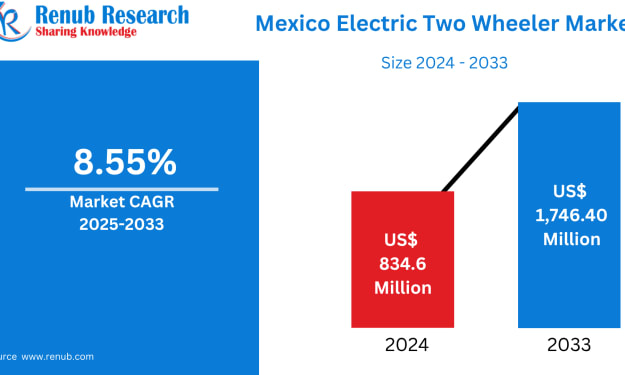
The Mexico Electric Two Wheeler Market is on a strong upward trajectory, driven by rising fuel prices, urban congestion, growing environmental consciousness, and decisive government support for sustainable transportation. According to Renub Research, the market is projected to grow from US$ 834.6 million in 2024 to US$ 1,746.40 million by 2033, advancing at a CAGR of 8.55% from 2025 to 2033. This sharp growth highlights Mexico’s accelerating momentum toward clean, affordable, and compact mobility solutions—especially in densely populated cities where transportation challenges continue to intensify.
By jaiklin Fanandishabout a month ago in The Swamp
Colombia Sees ‘Real Threat’ of US Military Action, President Tells BBC
Colombia is facing a period of heightened geopolitical tension, as President Gustavo Petro recently warned the international community that his country perceives a “real threat” of military action from the United States. In an exclusive interview with the BBC, Petro underscored the seriousness of these concerns, emphasizing that Colombia is navigating a complex regional landscape where diplomacy, national security, and global politics intersect. The president’s remarks shed light on the fragile balance between sovereignty and international alliances in Latin America.
By Fiaz Ahmed 2 days ago in The Swamp


Comments
There are no comments for this story
Be the first to respond and start the conversation.