
Jan. 6 Rioters Seek Unprecedented Pardon Claims: From Murder Plots to Child Pornography
Defendants Argue Trump’s Pardons Should Cover Crimes Uncovered During Capitol Riot Investigations, Sparking Legal and Ethical Debates

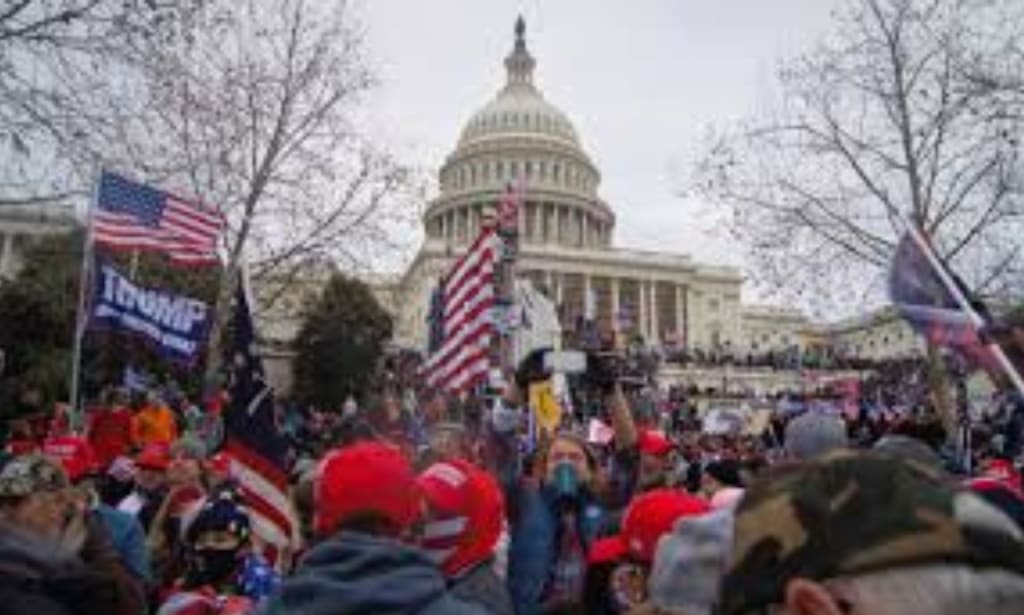
The fallout from the January 6, 2021, Capitol riot continues to reverberate through the American legal and political landscape. As hundreds of defendants face charges ranging from trespassing to seditious conspiracy, a new and controversial argument has emerged: some rioters are claiming that former President Donald Trump’s pardons should absolve them not only of their Capitol-related crimes but also of unrelated offenses uncovered during investigations, including murder plots and child pornography. This unprecedented legal strategy has sparked outrage, debate, and questions about the limits of presidential pardons.
The Pardon Power: A Controversial Tool
The U.S. Constitution grants the president the power to pardon federal offenses, a tool historically used to correct judicial injustices, promote reconciliation, or reward political allies. However, Trump’s use of pardons during his presidency was often criticized for favoring friends, associates, and political supporters. In his final days in office, Trump issued a flurry of pardons, including one for Steve Bannon, his former strategist, and several others connected to the January 6 riot.
Now, some defendants are pushing the boundaries of this power, arguing that Trump’s pardons should extend to crimes discovered during the investigations into their involvement in the Capitol attack. These crimes, which include serious offenses like murder conspiracies and child pornography, were not explicitly mentioned in the pardons but are being claimed as covered under broad interpretations of the documents.
The Legal Argument: Stretching the Limits
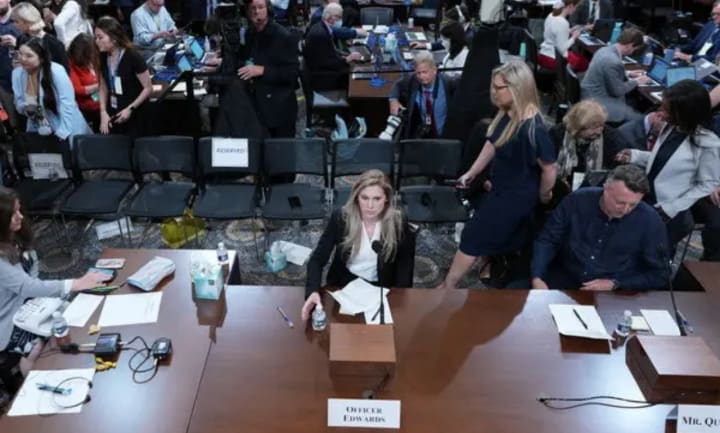
Legal experts are divided on the validity of these claims. On one hand, presidential pardons are broadly worded and can cover a range of offenses. For example, Trump’s pardon of Joe Arpaio, the former Arizona sheriff, absolved him of “any and all offenses” related to his contempt of court charge. Some defendants argue that similar language in their pardons should apply to any crimes uncovered during the investigations into their actions on January 6.
On the other hand, critics argue that this interpretation is a gross overreach. “Pardons are not a blank check,” said Barbara McQuade, a former U.S. attorney. “They are specific to the offenses mentioned or implied. To suggest that a pardon for participating in the Capitol riot would also cover unrelated crimes like child pornography is absurd and undermines the rule of law.”
The Ethical Dilemma: Justice or Impunity?
The ethical implications of these claims are equally troubling. If successful, this argument could set a dangerous precedent, allowing individuals to evade accountability for serious crimes simply because they were uncovered during investigations into other offenses. It also raises questions about the intent behind Trump’s pardons. Were they meant to provide blanket immunity, or were they narrowly focused on specific actions related to January 6?
For the families of victims and those affected by the Capitol riot, the idea that rioters could escape punishment for unrelated crimes is deeply unsettling. “It’s a slap in the face to everyone who believes in justice,” said one family member of a Capitol police officer injured during the riot. “These people stormed the Capitol, and now they’re trying to use that to get away with even worse crimes. It’s unconscionable.”
The Broader Impact: A Test for the Legal System
This case is more than just a legal battle; it’s a test for the American legal system. How far can presidential pardons be stretched? What happens when the boundaries of executive power are pushed to their limits? And how can the justice system ensure accountability while respecting the constitutional powers of the presidency?
Legal scholars predict that these claims will face significant challenges in court. “The judiciary is likely to take a narrow view of these pardons,” said Jonathan Turley, a constitutional law professor. “While the president has broad pardon powers, courts have historically resisted interpretations that undermine public safety or the rule of law.”
A Community Divided
The story of January 6 and its aftermath has deeply divided the American public. For some, the rioters are patriots who were exercising their First Amendment rights. For others, they are insurrectionists who sought to overturn a free and fair election. This latest development only deepens those divisions, as it forces the country to confront difficult questions about justice, accountability, and the limits of executive power.
Conclusion: A Nation at a Crossroads
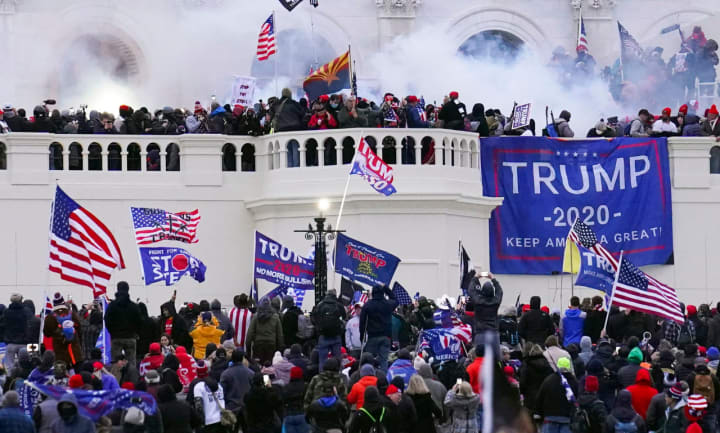
As the legal battles unfold, one thing is clear: the January 6 riot and its aftermath will continue to shape American politics and law for years to come. The argument that Trump’s pardons should cover unrelated crimes like murder plots and child pornography is a stark reminder of the challenges facing a nation still grappling with the events of that day.
Whether these claims succeed or fail, they underscore the importance of upholding the rule of law and ensuring that no one is above it. As the courts weigh in, the American people will be watching closely, hoping for a resolution that balances justice with the principles of fairness and accountability.
- I'm so grateful you took the time to read. I hope this piece sparked something within you. I'd be delighted to hear your perspective in the comments, and subscribing will ensure you're along for the next adventure.
About the Creator
mureed hussain
Hi, I’m a creative writer passionate about health & wellness, love, longevity, aging, and pet care. With extensive Quora experience, I craft engaging posts, thoughtful questions, and insightful answers.
Find me at>>[email protected]
Keep reading
More stories from mureed hussain and writers in The Swamp and other communities.
The Power of the First Hour: How Successful People Start Their Day
The first hour of the day is often referred to as the "golden hour." It’s a time when the world is quiet, distractions are minimal, and the mind is fresh. For the most successful people—CEOs, entrepreneurs, and high achievers—this hour is sacred. It sets the tone for the rest of the day and, ultimately, contributes to their long-term success. But what exactly do these individuals do during this critical time? Let’s dive into the morning routines of some of the world’s most successful people and uncover how they leverage their first waking hour to achieve greatness.
By mureed hussain12 months ago in The Swamp
There’s an Internet Blackout in Iran. How Are Videos and Images Getting Out
When mass protests erupted across Iran, the government responded with a familiar tactic: cut the internet. Mobile data slowed to a crawl, international connections dropped, and social media platforms went dark. For millions inside the country, the blackout meant isolation — no messaging apps, no news, no way to tell the outside world what was happening. And yet, despite these sweeping restrictions, videos and images of protests, arrests, and street violence continue to surface online. Clips circulate on X, Instagram, and international news broadcasts, raising a pressing question: How is information escaping one of the most tightly controlled internet shutdowns in the world? Why Iran Turns Off the Internet Iran has repeatedly used internet shutdowns as a tool of control during periods of unrest. By restricting access, authorities aim to: Disrupt protest coordination Prevent footage from reaching global media Limit international scrutiny Control domestic narratives During previous protests in 2019 and 2022, near-total shutdowns coincided with some of the deadliest crackdowns. Human rights organizations argue that internet blackouts create conditions where abuses can happen unseen. In the current wave of protests, the blackout has been broader and more sustained than before — affecting not just social media but core mobile and broadband infrastructure. If the Internet Is Down, How Is Content Escaping? Despite the blackout, Iran is not completely sealed off. Information leaks through a combination of technology, ingenuity, and risk-taking. The most important factor? Satellite internet. Starlink: A Signal From Space Starlink, the satellite internet service operated by SpaceX, has become the most powerful tool for bypassing Iran’s blackout. Unlike traditional internet, which relies on cables and telecom towers controlled by the state, Starlink connects directly to satellites orbiting Earth. As long as a user has a receiver terminal and a clear view of the sky, they can access the global internet — even when national networks are shut down. Over the past few years, thousands of Starlink terminals have reportedly been smuggled into Iran, often at great personal risk. These devices are illegal under Iranian law, but activists say they are now essential for keeping the country digitally connected. Once connected, users can upload videos, send images, and communicate with journalists and human rights groups abroad — often in near real time. The Risks of Staying Connected Using satellite internet in Iran is extremely dangerous. Authorities have declared Starlink equipment illegal and have reportedly conducted raids to seize terminals. Possession can lead to arrest, interrogation, or worse. In some areas, users hide terminals on rooftops, power them briefly, upload content, then disconnect to avoid detection. The government has also attempted to jam satellite signals, disrupting connections in certain regions. While jamming can weaken service, it hasn’t fully eliminated access — turning the situation into a technological cat-and-mouse game. Every video that makes it out is a calculated risk. Old-School Methods Still Matter Satellite internet isn’t the only way information escapes Iran. Some protesters rely on slower, more traditional methods: Saving videos on memory cards or USB drives Physically transporting data across borders Sending footage through trusted intermediaries Uploading content during brief moments of restored connectivity These methods are far less efficient than satellite internet, but they still play a role — especially in areas where Starlink access is limited or heavily jammed. Why These Images Matter The footage coming out of Iran isn’t just viral content — it’s evidence. With foreign journalists largely barred from operating freely inside the country, citizen-recorded videos are often the only window into events on the ground. Human rights organizations rely on this material to document abuses, verify deaths, and pressure governments to respond. Without these images, the international community would be forced to rely almost entirely on official statements — a scenario that overwhelmingly benefits those in power. Experts warn that internet shutdowns often correlate with spikes in violence, precisely because visibility disappears. The continued flow of images disrupts that strategy. The Digital Battlefield What’s unfolding in Iran is part of a global trend. Governments around the world increasingly view the internet as a battlefield — a space to be controlled during unrest. Protesters, in turn, adapt with new tools, from encrypted messaging to satellite connectivity. Iran’s blackout shows both sides of this struggle: A state attempting to enforce digital silence Citizens using technology to break it This dynamic raises difficult questions about sovereignty, technology companies, and the future of information control. Can Iran Fully Seal the Blackout? So far, the answer appears to be no. While the government can dramatically reduce connectivity, total isolation is increasingly difficult in a world of satellites, portable tech, and global networks. Every advancement in censorship is met with an adaptation in resistance. Still, access remains uneven. Many Iranians are completely offline, unable to communicate with loved ones or access basic information. The videos reaching the world represent only a fraction of what’s happening inside the country. What Comes Next As protests continue and international pressure grows, the digital struggle will remain central to Iran’s crisis. The government will likely intensify efforts to block satellite access, while activists look for new ways to stay connected. What’s clear is this: the blackout has not achieved total silence. Each image uploaded, each video shared, and each message sent is a reminder that even the most aggressive internet shutdown cannot fully suppress human voices. Final Thoughts Iran’s internet blackout is not just a technical issue — it’s a human one. It reveals how deeply communication is tied to freedom, accountability, and power in the modern world. In an era where truth travels through pixels and signals, the battle over connectivity may be just as important as the protests themselves. And for now, despite the darkness, the signal is still getting through.
By Muhammad Hassan3 days ago in The Swamp




Comments
There are no comments for this story
Be the first to respond and start the conversation.