
Is America About to Attack Iran? A Look at Rising Tensions and Global Stakes
Military build-ups, threats, and diplomacy collide as Washington and Tehran navigate a dangerous standoff
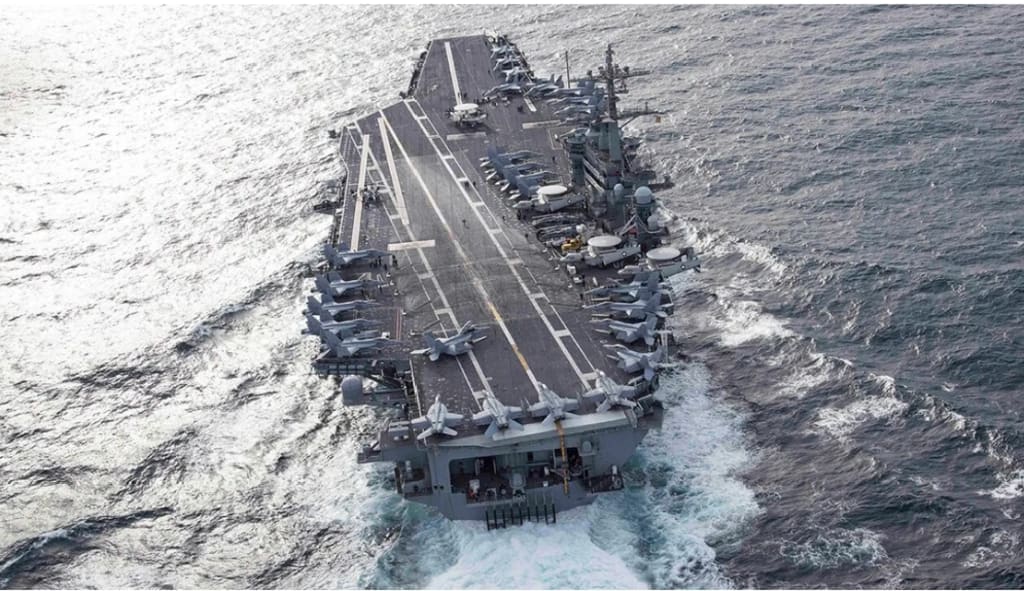
Amid rising geopolitical tensions, many around the world are asking a question with serious consequences: Is the United States preparing to attack Iran? The short answer is that while there is no confirmed imminent attack, developments over the past weeks suggest a heightened risk environment involving serious threats, military build‑ups, and diplomatic pressure that could, under certain conditions, escalate into conflict.
The Economist
Here’s a clear, informative breakdown of what’s happening — and what it might (or might not) mean for a U.S. strike on Tehran.
What’s Fueling the Tension
At the heart of the current crisis are escalating threats between the U.S. and Iran, particularly over Iran’s nuclear program and its internal political repression.
Donald Trump — now back in the White House — has issued several warnings to Tehran, saying a large U.S. naval “armada” is heading toward the region and that Iran should agree to a nuclear deal or face a “far worse” attack.
اnational
In response, Iran has signaled strong resistance. Iranian leadership has declared that any military action would be treated as the beginning of a full‑scale war, with immediate and far‑reaching retaliation.
TASS
These developments are accompanied by military deployments — including aircraft carriers and destroyers — and aggressive rhetoric on both sides. Financial Times +1
What the U.S. Has Actually Done
To understand whether a major attack is imminent, it helps to look at what the U.S. has already done:
1. Naval and Military Buildup
The U.S. has sent significant naval assets to the Middle East, including the USS Abraham Lincoln and accompanying strike group. Military analysts note this is the largest U.S. deployment in the region in years, signaling seriousness but not necessarily intent to strike immediately.
Fina2. Past Strikes on Nuclear Sites
In June 2025, U.S. forces, alongside or in support of Israeli operations, bombed three Iranian nuclear facilities as part of efforts to curb nuclear development. At the time, U.S. officials insisted they did not want full war, characterizing the mission as a necessary action to check nuclear escalation.
Military.com
This prior strike is relevant because it shows the U.S. is capable of acting militarily against Iran — but it also said it was not seeking a broader war.
Military.com
Tehran’s Response
Iranian officials have issued stark warnings about the consequences of any U.S. attack:
Iran will treat any U.S. military action as a start of war, promising immediate retaliation against the U.S., its allies, and potentially Israel.
TASS
Iran’s foreign minister has emphasized readiness to respond “powerfully” to any aggression, while also warning that threat‑based diplomacy undermines negotiations.
Philstar.com
These statements underscore that Iran is not sitting passively — and any attack could trigger a broader regional conflict.
Are Diplomacy Efforts Still Alive?
Despite the threats, diplomatic channels have not completely closed:
Iran has reiterated that it is open to a “fair and equitable” nuclear deal that respects its right to peaceful nuclear technology, but it rejects negotiations under a cloud of military threat.
Philstar.com
Other global powers, including Russia, have urged the U.S. and Iran to pursue talks rather than force, warning that military action would destabilize the broader Middle East.
Reuters
This suggests that — even amid hostile rhetoric — there is still a space for negotiation.
What Experts Say
Security analysts caution that the current situation contains elements of warning, deterrence, and diplomacy rather than clear signs of imminent war:
Some see recent rhetoric — like threats of bombardment — as part of pressure tactics meant to force Iran back to negotiations rather than a prelude to immediate conflict.
ent of a large naval force could be interpreted as a deterrent posture, aimed both at signaling resolve and reassuring U.S. allies in the region, not solely preparing for an offensive strike.
Financial Times
Historical context matters: past interactions between the U.S. and Iran have included crises that did not escalate into full war, even when they appeared close. Experts note that both sides are aware of the high risks of a wider conflict.
Could It Still Happen?
Yes — but it is far from certain.
A U.S. attack could occur under specific circumstances, such as:
A sudden Iranian attack on U.S. forces or critical regional infrastructure
Intelligence suggesting a imminent threat from Iran’s nuclear program
Breakdown of diplomatic de‑escalation efforts
However, many policymakers and analysts emphasize that the U.S. is not currently at war with Iran and that Washington continues to publicly claim it doesn’t want a broader war, even if it is prepared militarily.
TIME
What Would Be the Consequences?
A direct American military strike on Iran could escalate dramatically:
Iran has a wide range of ballistic missiles capable of striking U.S. bases and regional partners.
Al Jazeera
Iran could activate allied militias and regional forces, potentially spreading conflict across multiple Middle Eastern theaters.
omic instability could follow, particularly if the Strait of Hormuz is affected.
For these reasons, many diplomats and analysts argue that all-out war would be deeply dangerous — and is not something either side would choose lightly.
Bottom Line
So, is America about to attack Iran?
Not imminently — at least not based on confirmed evidence — but the risk environment is serious and volatile. The U.S. has bolstered its military presence and ramped up rhetoric, while Iran has responded with warnings of severe retaliation. A conflict could occur if diplomatic channels fail or if violent engagement erupts first — but military analysts still see deterrence and negotiation as significant factors in preventing an outright war.
Conditions are tense, and global observers are watching closely — because the stakes extend far beyond Iran and the U.S. themselves.
The Economist
About the Creator
Keep reading
More stories from Aqib Hussain and writers in The Swamp and other communities.
As Ukraine Accuses Russia of Terrorism, a Deadly Train Strike Sparks Controversy Over Starlink
The war in Ukraine has entered a deadly new phase. On January 27, 2026, a passenger train in Kharkiv was hit by drones, killing at least five people and injuring dozens. Ukraine’s government quickly labeled the strike an act of terrorism, and the incident has sparked a heated debate over modern technology in war, especially the controversial role of Starlink satellite internet.
By Aqib Hussain4 days ago in The Swamp
‘We Will Fight This War’: CM Bugti Says 145 Terrorists Killed in 40 Hours Across Balochistan
Balochistan Chief Minister (CM) Akhtar Bugti has declared that security forces killed 145 terrorists in just 40 hours, as counterterrorism operations intensified across the province. The announcement comes amid ongoing efforts by Pakistani authorities to restore stability in the region, which has faced insurgency, attacks on infrastructure, and sectarian violence for years.
By Aarif Lasharia day ago in The Swamp
Dad Works One Job, Five Days a Week, While Mom Is Home Every Day: Exploring Modern Family Dynamics
In today’s world, family structures and routines can vary widely. One example that resonates with many is when Dad works a standard job five days a week, while Mom stays at home every day to manage household responsibilities and care for children. This arrangement is common, but it often sparks discussion about gender roles, financial priorities, personal fulfillment, and the balance between work and home life. By examining this dynamic, we can better understand the challenges, benefits, and societal perceptions that come with it—and why families choose arrangements that work best for them. The Traditional Family Model Historically, the “breadwinner and homemaker” model was the norm in many cultures: the father worked outside the home, while the mother managed the household and children. This setup was often driven by societal expectations, limited career opportunities for women, and the economic structure of the time. While society has evolved, this model still exists today for practical, cultural, or personal reasons. Some families find that having one parent focus on home responsibilities allows for greater flexibility in childcare, schooling, and household management. Advantages of This Arrangement Consistency and Stability for Children Having one parent at home every day provides children with a familiar, consistent presence. They benefit from immediate support for homework, emotional needs, and day-to-day care, which can reduce stress and foster a strong parent-child bond. Focused Household Management Daily household responsibilities—from cooking and cleaning to scheduling appointments—require time and organization. A parent at home can ensure that routines run smoothly without the pressure of juggling a full-time job outside the house. Flexibility for Family Emergencies When unexpected issues arise, such as illness, school events, or urgent home repairs, having a parent at home offers flexibility and quick response, which can prevent disruption to the family’s routine. Potential Financial Benefits Although it may seem counterintuitive, in some situations, this arrangement can save money. Avoiding daycare costs, after-school programs, or hiring additional help can make one-parent-at-home scenarios more affordable than dual-income households with external childcare expenses. Challenges and Considerations While there are clear benefits, this arrangement also comes with challenges: Economic Dependence Relying on a single income can create financial vulnerability. If the working parent loses their job or faces unexpected expenses, the family may struggle without additional income or emergency savings. Social Expectations and Gender Roles Some parents feel pressure or judgment from society. Fathers may face criticism for not being the sole focus of home life, while mothers at home may be undervalued for their unpaid labor. This societal scrutiny can impact self-esteem and create tension. Limited Personal Fulfillment A parent who stays at home might miss opportunities for career growth, social engagement, or personal development. Maintaining identity beyond family roles can be a challenge and may require intentional effort to balance personal goals with household responsibilities. Pressure on the Working Parent The parent working outside the home may experience pressure to provide financially, potentially leading to stress or burnout. Balancing the demands of a full-time job with family expectations requires clear communication and mutual support. Communication and Partnership Are Key Experts emphasize that any family arrangement—whether traditional, dual-income, or unconventional—requires communication and partnership. Families must discuss: Financial goals and budgeting Household responsibilities and expectations Career plans and personal development Childcare and educational priorities Open dialogue ensures that both parents feel valued, respected, and supported, regardless of who is working outside the home. Society’s Evolving Perspective Modern perspectives on parenting and work have shifted. There is greater recognition that the value of home labor is significant, even though it may not generate income directly. Parents who dedicate themselves to managing the household and caring for children are contributing to both family well-being and the economy in indirect ways. Additionally, remote work, flexible schedules, and part-time employment options are changing how families structure their lives. The traditional arrangement of one parent working and one parent staying home is now one of many viable choices, not the only standard. Children’s Perspective Children often benefit from a parent at home for emotional support and guidance. However, parents must balance attention with independence to ensure children develop self-reliance and problem-solving skills. Experts suggest that children thrive in homes where: Both parents are engaged and supportive Responsibilities are modeled fairly Communication is open and respectful When children observe mutual respect between parents, it positively shapes their understanding of relationships and family roles. Making It Work in the Modern Era For families considering or living this arrangement, several strategies can help maintain balance and satisfaction: Financial Planning: Establish budgets, savings plans, and emergency funds to ensure stability. Shared Decision-Making: Include both parents in household and parenting decisions, even if one is not working outside the home. Personal Time: Encourage the stay-at-home parent to pursue hobbies, education, or social engagement to maintain personal fulfillment. Support Networks: Engage extended family, friends, or community resources for support and social interaction. By approaching the arrangement thoughtfully, families can maximize benefits and minimize stress. Final Thoughts The arrangement where Dad works one job, five days a week, and Mom is home every day is a personal choice that can offer stability, flexibility, and strong family bonds. Like any family structure, it has advantages and challenges, and success depends on communication, respect, and planning. Rather than viewing it through the lens of tradition or judgment, families should focus on what works best for them. Each household is unique, and what matters most is creating an environment where children thrive, parents feel valued, and daily life functions smoothly. By understanding both the benefits and potential pitfalls, families can navigate this dynamic with confidence, ensuring that work, home, and personal fulfillment coexist harmoniously.
By Muhammad Hassan7 days ago in The Swamp
One Unchecked Box
"Republished" because it was the only way to add the embed for the newly recorded audio version of this story due to the Top Story badge. Plus it serves as a nice, informal announcement of the podcast's revival for another season (go subscribe!):
By Stephen A. Roddewig6 days ago in Fiction



Comments
There are no comments for this story
Be the first to respond and start the conversation.