
Iron Dome Missile Defense System: How It Works & Latest Updates 2025
Iron Dome: Israel’s Shield Against Missile Attacks and Its Role in Regional Security

Introduction
The Iron Dome is a state-of-the-art air defense system developed by Israel to intercept and destroy short-range rockets, artillery shells, and mortars fired from distances of 4 to 70 kilometers. Since its deployment in 2011, the Iron Dome has become a vital component of Israel’s defense strategy, protecting civilian populations from missile attacks, particularly from hostile groups in Gaza, Lebanon, and increasingly from Iranian-backed forces.
How Iron Dome Works
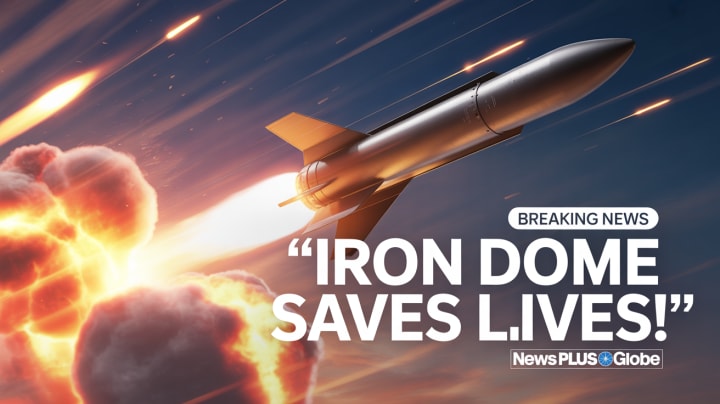
The Iron Dome system uses advanced radar and interceptor missiles to detect and neutralize incoming threats mid-air. Once a projectile is launched toward Israeli territory, the system’s radar tracks its trajectory and calculates whether it poses a threat to populated areas or critical infrastructure. If the threat is confirmed, the Iron Dome fires a Tamir interceptor missile to destroy the incoming rocket before it can cause damage.
Its ability to differentiate between projectiles that will land in open fields and those targeting populated areas makes it highly efficient, conserving interceptors and reducing unnecessary launches.
Recent Escalations and Iron Dome’s Role
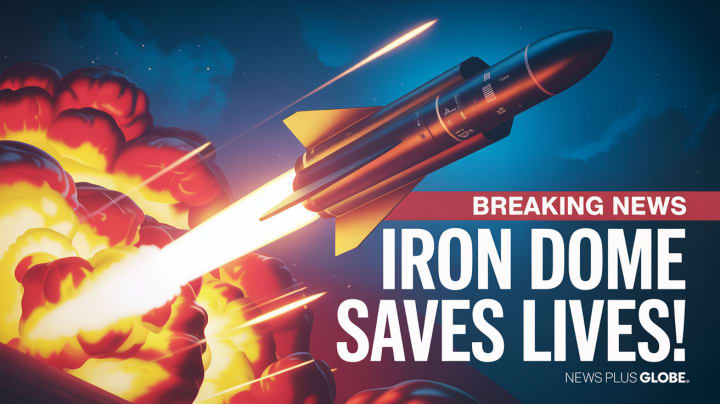
In June 2025, following Israeli airstrikes on Iranian nuclear and military sites, tensions in the Middle East escalated dramatically. Iran launched waves of missile and drone attacks targeting Israeli cities such as Tel Aviv, Jerusalem, and Netanya. The Iron Dome has been operating at full capacity, intercepting dozens of missiles daily.
Despite its impressive interception rate, some missiles have penetrated the defenses, causing casualties and property damage. Reports indicate at least three fatalities and dozens of injuries during the recent barrage, underscoring the ongoing threat Israel faces.
Strategic Importance
The Iron Dome provides Israel with a critical layer of defense that helps prevent mass casualties and infrastructure damage. It also serves as a deterrent by complicating adversaries’ attack plans and reducing the effectiveness of rocket barrages.
Moreover, the system buys valuable time for Israeli authorities to respond to attacks, mobilize emergency services, and conduct retaliatory operations if necessary.
International Attention and Support

The Iron Dome has attracted global attention for its technological sophistication and effectiveness. The United States has been a significant supporter, providing funding and technical assistance. The system’s success has inspired other countries to explore similar missile defense technologies.
Challenges and Future Outlook
While the Iron Dome has saved countless lives, it is not infallible. The increasing volume and sophistication of missile and drone attacks pose ongoing challenges. Israel continues to invest in upgrading the system and integrating it with other defense layers such as David’s Sling and the Arrow missile defense systems.
The recent conflict highlights the fragile security situation in the Middle East and the critical role that missile defense systems like Iron Dome play in maintaining stability.
Conclusion
The Iron Dome remains a cornerstone of Israel’s defense architecture, providing a protective shield against missile threats amid escalating regional tensions. As conflicts evolve and threats become more complex, the system’s continued development and deployment will be essential for safeguarding civilian lives and national security.
Stay tuned to News Plus Globe for ongoing updates on the Iron Dome, Middle East security developments, and global defense technology.
FAQs: Iron Dome Air Defense System
1. What is the Iron Dome and how does it work?
Answer:
The Iron Dome is an advanced missile defense system developed by Israel to intercept and destroy short-range rockets, artillery shells, and mortars. It uses radar to detect incoming threats, calculates their trajectory, and fires interceptor missiles only if the projectile is headed toward populated or sensitive areas, ensuring efficient use of resources and protection of civilians.
2. How effective is the Iron Dome in intercepting missiles?
Answer:
The Iron Dome boasts an interception success rate of approximately 85-90%, making it one of the most effective missile defense systems globally. Its ability to selectively target only threatening projectiles helps maintain this high efficiency while conserving interceptor missiles.
3. What types of threats can the Iron Dome defend against?
Answer:
The system is designed to counter short-range threats including rockets, artillery shells, and mortars launched from distances between 4 and 70 kilometers. It is particularly effective against unguided rockets fired from conflict zones such as Gaza and southern Lebanon.
4. Has the Iron Dome been used in recent conflicts?
Answer:
Yes, the Iron Dome has been actively used in multiple conflicts, including the recent 2025 escalation following Israeli strikes on Iranian nuclear sites. It intercepted dozens of missiles launched toward Israeli cities, significantly reducing casualties and damage.
5. Who funds and supports the Iron Dome system?
Answer:
The United States has been a major financial and technical supporter of the Iron Dome, providing billions of dollars in funding and assistance. This partnership underscores the strategic importance of the system in regional and global security.
6. Can the Iron Dome defend against all missile attacks?
Answer:
While highly effective, the Iron Dome is not foolproof. It is optimized for short-range threats and may face challenges against large-scale barrages or more advanced missile technologies. Israel complements it with other defense layers like David’s Sling and Arrow systems for broader protection.
7. Is the Iron Dome technology available to other countries?
Answer:
Currently, the Iron Dome technology is primarily used by Israel, but there have been discussions and interest from other countries seeking similar missile defense capabilities. The U.S. has also adapted some of the technology for its own defense systems.
About the Creator
Keep reading
More stories from M Irfan Zafar and writers in The Swamp and other communities.
Israel Attacks Iran
Israel Attacks Iran – June 2025 Overview In the early morning hours of June 13, 2025, Israel launched a massive, coordinated military operation—codenamed Operation Rising Lion—targeting Iran’s nuclear facilities, military leadership, and strategic infrastructure. The assault marks the largest Israeli attack on Iran since the Iran–Iraq War and represents a dramatic escalation in Middle East tensions, with the world now bracing for further retaliation and regional instability.
By M Irfan Zafar9 months ago in Critique
The Forsyth House Fire
Since 1851, Forsyth House has stood on the corner of Union Street and Gordon Street in the heart of Glasgow. Its iconic, or was... because on Sunday 8th of March, 2026, a fire broke out in a small, seemingly un-named shop in the building and tore all that history down. As I write, the rubble is still unsettled and the street is still blocked off. Central Station is quiet on the upper level, and around 30 small businesses have quite literally gone up in smoke.
By S. A. Crawford3 days ago in The Swamp
India Becomes World’s Second-Largest Arms Importer: Report
India has emerged as the world’s second-largest arms importer, reflecting its ongoing efforts to modernize its military and respond to growing regional security challenges. According to data released by the Stockholm International Peace Research Institute, India accounted for roughly 8.2–8.3 percent of global arms imports in the 2021–2025 period, placing it second only to Ukraine in global rankings. The findings highlight India’s continued reliance on foreign military equipment even as the country works to strengthen its domestic defense industry. Analysts say the scale of India’s imports reflects the size of its armed forces, the complexity of its security environment, and the need to upgrade aging military hardware. India faces multiple security challenges in its neighborhood. Tensions with China along the disputed Himalayan border have intensified in recent years, while the longstanding rivalry with Pakistan remains a major strategic concern. These threats have encouraged New Delhi to accelerate defense modernization and ensure that its armed forces remain technologically competitive. To address these challenges, India has been purchasing advanced weapon systems from several international suppliers. These include fighter aircraft, missile systems, submarines, helicopters, and surveillance technologies. The goal is to strengthen capabilities across all three branches of the military—army, navy, and air force. Historically, Russia has been India’s largest arms supplier. Many of India’s most important military platforms, including tanks, fighter jets, and air-defense systems, originated from Russian designs. However, recent years have seen a gradual shift in India’s procurement strategy. SIPRI data indicates that India is increasingly diversifying its sources of weapons, reducing its dependence on Moscow while strengthening partnerships with Western countries. Nations such as the United States, France, and Israel have become important defense partners, supplying advanced technology and equipment. France, for example, has delivered Rafale fighter jets to the Indian Air Force, while Israel has provided sophisticated drones and radar systems. The United States has also expanded defense cooperation with India, supplying helicopters, surveillance aircraft, and other advanced platforms. Despite remaining a major importer, India’s arms purchases have slightly declined compared with earlier years. SIPRI data shows that India’s imports dropped by about 9 percent between the periods 2015–2019 and 2020–2024, partly because of growing domestic production capabilities. The Indian government has been promoting policies aimed at reducing reliance on foreign suppliers. Through initiatives such as “Make in India,” authorities hope to encourage local production of military equipment and develop an indigenous defense industry capable of meeting the country’s long-term needs. Several domestic companies have already begun manufacturing military hardware ranging from artillery systems to drones and armored vehicles. Government officials argue that expanding domestic defense production will not only strengthen national security but also create jobs and support economic growth. Nevertheless, experts say that achieving complete self-reliance in defense manufacturing will take years. Many advanced technologies—such as aircraft engines, sophisticated missile systems, and stealth capabilities—remain difficult to develop domestically. As a result, India is likely to continue importing certain high-tech weapons in the near future. Globally, the arms trade has been influenced by increasing geopolitical tensions and rising defense spending. Conflicts in Europe, the Middle East, and parts of Asia have prompted many countries to upgrade their militaries and secure new weapons systems. In this environment, major exporters such as the United States and France continue to dominate the global defense market. For India, maintaining a strong and modern military remains a strategic priority. With one of the world’s largest armed forces and a rapidly evolving security environment, the country is expected to remain a significant participant in the international arms market for years to come. While the push for self-reliance continues, the latest report underscores a key reality: India’s military modernization still depends heavily on global defense suppliers. As geopolitical tensions persist, the country’s position as the world’s second-largest arms importer is likely to remain an important feature of the global arms trade landscape.
By Fiaz Ahmed 6 days ago in The Swamp



Comments
There are no comments for this story
Be the first to respond and start the conversation.