
Iran Warns of ‘Hazardous Consequences’ After EU Designates Revolutionary Guard as a Terrorist Organization
What the new designation means, how Tehran reacted, and broader geopolitical implications
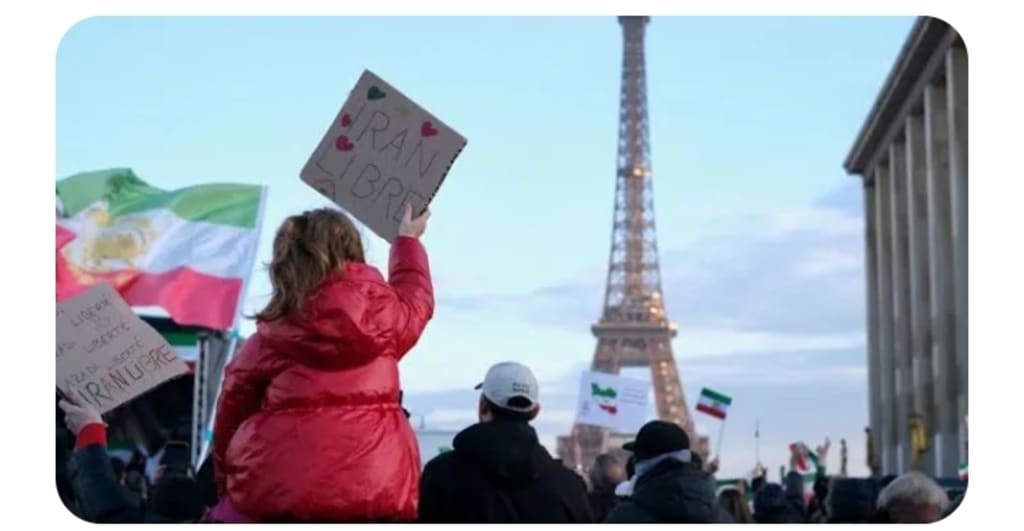
On January 29, 2026, the European Union formally designated Iran’s Islamic Revolutionary Guard Corps (IRGC) as a terrorist organization — a dramatic escalation of diplomatic pressure rooted in Iran’s suppression of domestic protests and its role in regional security dynamics. The move provoked an immediate and forceful condemnation from Tehran, which warned of “hazardous consequences” that could reverberate across European capitals and potentially destabilize broader regional relations. �
Reuters +1
What the EU Decision Entails
In a rare consensus among the EU’s 27 member states, foreign ministers in Brussels approved the terrorist designation of the IRGC — placing it alongside groups such as al-Qaeda, Hamas, and ISIL in terms of legal categorization. �
The Guardian
EU officials, including EU foreign policy chief Kaja Kallas, framed the decision as a response to human rights abuses — specifically the IRGC’s role in violently suppressing widespread protests in Iran, which authorities and human rights groups say resulted in thousands of deaths. “Repression cannot go unanswered,” Kallas wrote on social media, arguing that actors who engage in systematic brutality must face consequences. �
News-Press NOW
The designation also triggered sanctions:
asset freezes on individuals and entities
travel bans within the EU
criminalization of material support or collaboration with the IRGC under EU law
While largely symbolic in terms of direct economic impact, it intensifies legal and political pressure and aligns the EU with similar classifications by the United States, Canada, and Australia. �
The Guardian +1
Iran’s Immediate Response: ‘Hazardous Consequences’
Iran’s reaction was swift and vehement.
In statements carried by state media, including the Islamic Republic News Agency (IRNA), senior Iranian military authorities denounced the EU’s decision as “illogical, irresponsible, and spiteful,” accusing European leaders of acting under pressure from the United States and Israel rather than on objective grounds. They warned that the “hazardous consequences of this hostile and provocative decision will fall directly on the European policymakers.” �
News-Press NOW
Iranian Foreign Minister Abbas Araghchi echoed these sentiments on social media, calling the move a “major strategic mistake” that escalates tensions in the Middle East and undermines diplomatic engagement. He argued that European governments were “fanning the flames” rather than working to avert regional conflict and suggested that any future instability — including spikes in global energy prices — would be linked to this decision. �
News Channel 3-12
Why the IRGC’s Designation Matters
1. A Shift in European Policy
For years, major EU countries were divided on labeling the IRGC as a terrorist organization. Some governments feared such a move would sever diplomatic channels and undermine negotiations on other critical issues. That this designation was ultimately approved signals a major shift in EU attitudes toward Iran’s domestic repression and regional behavior. �
Reuters
2. Human Rights as a Catalyst
The crackdown on anti-government protests in Iran — triggered by economic grievances and rapidly expanding into broader calls for political change — has drawn unprecedented international condemnation. Rights groups have claimed death tolls far exceeding official figures, arguing that security forces, including the IRGC, have been disproportionately lethal. �
www.ndtv.com
3. Legal and Diplomatic Implications
While the designation may not immediately change on-the-ground dynamics within Iran, it empowers EU law enforcement and financial regulators to act against IRGC affiliates. It also creates a deeper rift in EU-Iran relations, complicating any future efforts at diplomacy. �
Auswärtiges Amt
Tehran’s Warning: What ‘Hazardous Consequences’ Could Mean
Iran’s rhetoric has hinted at several possible areas of fallout:
Political and diplomatic strain: Tehran may reduce cooperation with European states on nuclear discussions, regional diplomacy, or prisoner negotiations. �
News-Press NOW
Energy market implications: Iran suggested that conflict escalation could affect energy prices, a sensitive issue for European economies heavily dependent on global supplies. �
News Channel 3-12
Heightened military posturing: While Iran has not clarified specific countermeasures, previous escalations have included military exercises and public shows of force — moves that risk miscalculation. �
Gulf Today
Analysts caution that unspecified “hazardous consequences” may ultimately be rhetorical signaling rather than concrete threats — but in a region already fraught with tensions involving the U.S., Israel, Saudi Arabia, and other actors, even ambiguous warnings can fuel uncertainty.
Broader Geopolitical Context
The EU’s designation does not occur in isolation. It follows a pattern of Western powers aligning their posture toward Tehran:
The U.S. has listed the IRGC as a terrorist group since 2019.
Canada and Australia followed with similar designations.
The EU’s move is the most significant by a major multilateral bloc. �
News-Press NOW
At the same time, pressures over Iran’s nuclear program, regional influence, and proxy conflicts continue to shape international engagement. The Biden administration, Trump administration, and other global leaders have varied approaches — but consensus on adding the IRGC to a terrorist list reflects shared concern over both human rights abuses and regional stability.
Can Diplomacy Still Work?
Despite the sharp rhetoric, some officials — including those within Europe and the United Nations — emphasize the need for diplomatic channels to remain open. Without dialogue, tensions risk spiraling into unintended confrontations with broader consequences for global security.
UN Secretary-General António Guterres urged restraint and diplomacy to “avoid a crisis that could have devastating consequences in the region,” emphasizing that escalatory moves on both sides could undercut efforts toward negotiated solutions. �
The Guardian
Conclusion: A Dangerous Turning Point
The European Union’s terrorist designation of the IRGC marks a significant escalation in Western policy toward Iran, grounded in human rights concerns and broader geopolitical contestation. Iran’s warnings of “hazardous consequences” underscore how deeply this decision has aggravated Tehran and could influence diplomatic, economic, and security dynamics in the months ahead.
Whether this leads to tangible retaliation or remains largely rhetorical, the episode highlights the fragility of international efforts to balance accountability, negotiation, and stability in an already complex Middle East landscape.
About the Creator
Keep reading
More stories from Zahid Hussain and writers in The Swamp and other communities.
Dr. Oz in Los Angeles: A Political Hunt for Fraud or a Dangerous Narrative?
When Dr. Mehmet Oz traveled to Los Angeles claiming he was “seeking fraud,” he likely expected attention. What he may not have expected was the fierce response from California Governor Gavin Newsom, who dismissed Oz’s assertions as “baseless and racist allegations.” The clash quickly escalated beyond a routine political disagreement. It exposed a deeper national conflict—one where public health, race, political ambition, and misinformation collide in an era already saturated with distrust. This is not just about Dr. Oz or Gavin Newsom. It’s about how narratives are built, who they target, and why they resonate. From Television Doctor to Political Provocateur Dr. Oz is no stranger to controversy. Once celebrated as a heart surgeon and trusted television health expert, Oz’s transition into politics has been anything but smooth. Critics argue that his recent actions reflect a shift from evidence-based medicine to headline-driven politics. His visit to Los Angeles—framed as an investigation into alleged fraud—was presented without publicly verifiable data, formal audits, or coordination with local authorities. Instead, it relied on broad claims, selective anecdotes, and emotionally charged language. That approach raised immediate red flags. Why Los Angeles Became the Target Los Angeles has long been a symbolic battleground in American politics. To supporters of conservative populism, it represents government overreach, immigration failure, and urban decay. To its defenders, it is a diverse, complex metropolis grappling with challenges common to major global cities. By choosing L.A., Oz wasn’t just picking a location—he was tapping into a pre-existing narrative. One that resonates with audiences already primed to believe that fraud, corruption, and chaos define certain communities. Newsom’s Sharp Rebuttal Governor Gavin Newsom wasted no time responding. Calling Oz’s claims “baseless”, Newsom emphasized the absence of credible evidence. But it was his use of the word “racist” that transformed the dispute into a national conversation. According to Newsom, Oz’s rhetoric echoed a familiar pattern: Allegations that disproportionately frame minority-heavy cities as inherently corrupt, without substantiation. This, Newsom argued, isn’t accountability—it’s scapegoating. When Allegations Become a Political Weapon Fraud is a serious accusation. When proven, it demands consequences. But when fraud claims are made without evidence, they risk becoming something else entirely: a political weapon designed to inflame fear rather than uncover truth. History shows that vague allegations often serve three purposes: Energizing a political base Delegitimizing institutions Distracting from policy substance Critics argue that Oz’s actions fit this pattern precisely. The Racial Undertones of “Urban Fraud” Narratives The word “racist” in political discourse is powerful—and often controversial. But scholars and civil rights advocates point out that claims of widespread fraud in cities like Los Angeles, Chicago, or Atlanta have historically been linked to racialized assumptions. The implication is subtle but damaging: That diversity equals dysfunction. That immigrant-heavy communities are less trustworthy. That urban poverty is evidence of moral failure. Newsom’s response suggests that Oz’s visit wasn’t just about fraud—it was about reinforcing these narratives. Evidence Matters More Than Optics One of the most troubling aspects of this episode is the lack of transparency. No documented findings. No independent verification. No collaboration with investigative bodies. In an age of viral clips and social media outrage, optics often replace substance. A camera crew can create the illusion of investigation without producing facts. That’s dangerous—especially when trust in institutions is already fragile. Public Health, Politics, and Lost Credibility Dr. Oz’s background makes this situation even more complex. As a physician, he once represented scientific authority. That authority carries ethical weight. When medical professionals enter politics, their words carry added credibility—whether deserved or not. Critics argue that making unsupported allegations risks eroding public trust not only in politics, but in science and medicine as well. Once credibility is lost, it’s nearly impossible to regain. A Symptom of a Larger Crisis This controversy reflects something larger than two men arguing. It highlights: The weaponization of misinformation The collapse of evidence-based discourse The rise of performative politics The deep racial fault lines in American narratives When accusations replace investigations, democracy suffers. Conclusion: Accountability Requires Proof, Not Provocation If fraud exists, it must be exposed—with facts, data, and due process. But accusations without evidence don’t strengthen democracy. They weaken it. Governor Newsom’s harsh response underscores a growing frustration with political theatrics masquerading as accountability. Whether one agrees with him or not, the message is clear: Truth requires proof. Justice requires fairness. And leadership requires responsibility. Anything less is just noise.
By Zahid Hussainabout 7 hours ago in The Swamp
Vets May Be Required to Publish Prices for Common Pet Treatments
Veterinary practices across the UK may soon be required to publish prices for common pet treatments, following growing concerns over affordability, transparency, and competition within the industry. The move comes amid rising frustration from pet owners who say they are often left in the dark about costs until after treatment has begun.
By Ayesha Lashari2 days ago in The Swamp




Comments
There are no comments for this story
Be the first to respond and start the conversation.