
Iran vs Israel: A Dangerous Dance in the Middle East
"Strategic Tensions and Proxy Wars in a Volatile Region"

Introduction
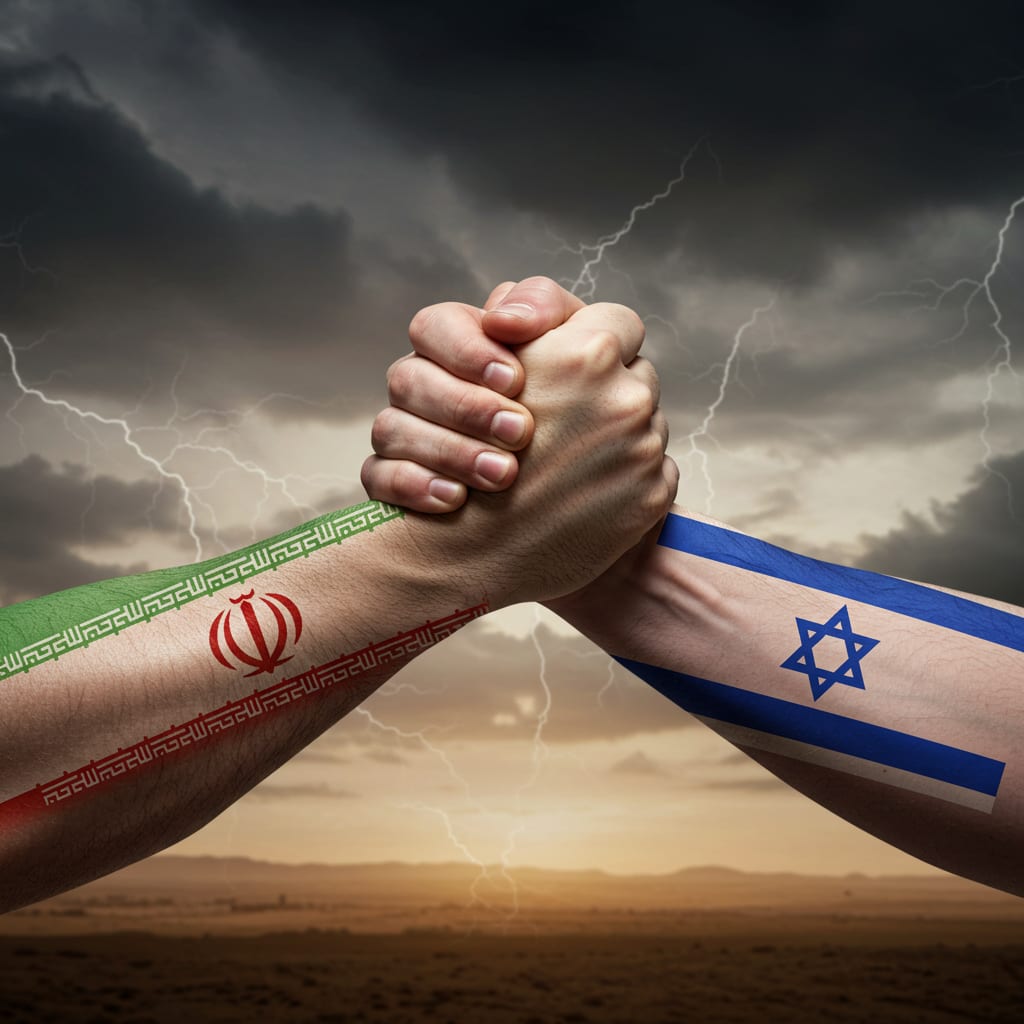
The relationship between Iran and Israel has long been one of the most fraught and potentially explosive rivalries in international politics. Rooted in ideology, power politics, religious tensions, and shifting regional alliances, this bitter animosity has shaped Middle Eastern geopolitics for over four decades. The “Iran vs Israel” conflict isn’t a traditional war, but a complex confrontation that plays out across cyber warfare, proxy battles, intelligence operations, rhetoric, and regional power struggles.
Understanding the dynamics of this rivalry is critical not only for regional peace but also for global security, as any escalation has the potential to draw in multiple international actors and destabilize an already fragile region.
Origins of the Hostility
Pre-1979: Allies in the Shadows
Before Iran’s 1979 Islamic Revolution, relations between Iran and Israel were relatively cordial. Under Shah Mohammad Reza Pahlavi, Iran recognized Israel de facto (though not officially) and cooperated extensively in intelligence, trade, and military matters. Both nations viewed Arab nationalism—particularly under Egypt’s Gamal Abdel Nasser—as a mutual threat.
1979 Revolution: Ideological Shift
The turning point came with the Iranian Revolution. Ayatollah Ruhollah Khomeini and the new Islamic Republic viewed Israel as an illegitimate entity, often referring to it as the “Zionist regime” and calling for its destruction. This marked the start of a zero-sum ideological conflict: Israel became the symbol of Western imperialism and oppression in Iranian political theology.
Strategic and Ideological Enemies
For Israel, Iran’s rhetoric is more than ideological posturing—it represents an existential threat, particularly since Iran began developing nuclear capabilities. Tehran’s support for anti-Israel proxies, including Hezbollah in Lebanon and Hamas in Gaza, further deepened Israeli concerns.
From Iran’s point of view, Israel is an extension of American influence in the region and a colonizing force in the Islamic world. Iran’s leaders often frame their stance on Israel as part of a broader resistance to Western hegemony.
The Nuclear Flashpoint
Arguably the most dangerous element in this conflict is Iran’s nuclear program. Israel has consistently maintained that it will not allow Iran to obtain nuclear weapons, viewing such a development as an unacceptable existential risk.
Israel has taken aggressive measures to thwart Iran’s progress, including:
Cyber warfare:
The most notable example is the Stuxnet virus (discovered in 2010), which reportedly disrupted Iran’s uranium enrichment facilities.
Assassinations:
A series of assassinations targeting Iranian nuclear scientists have been widely attributed to Israel’s Mossad intelligence agency.
Airstrikes and sabotage:
Numerous incidents inside Iran, including explosions at nuclear facilities, are suspected to be Israeli covert operations.
For its part, Iran maintains that its nuclear program is entirely peaceful. However, its reluctance to provide full transparency to international inspectors has fueled widespread skepticism.
The Proxy War Battlefield
The Iran-Israel conflict is rarely direct. Instead, it unfolds via proxies across the Middle East, particularly in:
Lebanon
Hezbollah, an Iranian-backed Shiite militant group, has become a formidable force in southern Lebanon. Armed with tens of thousands of rockets, it poses a serious threat to northern Israel. Israel and Hezbollah fought a bloody war in 2006, and tensions remain high, with frequent skirmishes and threats of escalation.
Syria
The Syrian civil war provided Iran an opportunity to expand its influence via military support for Bashar al-Assad’s regime. Iran has helped establish a military infrastructure in Syria, which Israel frequently targets through airstrikes, aiming to prevent weapons transfers to Hezbollah and the establishment of permanent Iranian bases.
Gaza
Iran also supports Hamas and Palestinian Islamic Jihad—Sunni militant groups ideologically different from Iran’s Shia leadership but united in their opposition to Israel. Tehran’s financial and military support fuels the recurrent Gaza conflicts.
Intelligence and Cyber Operations
The Israel-Iran rivalry is one of the most active in the realm of cyber warfare and espionage. Both countries have advanced intelligence agencies—Mossad for Israel and the IRGC's Quds Force for Iran.
Some key events include:
Stuxnet attack (2010):
A joint U.S.-Israeli cyberattack that reportedly damaged Iranian centrifuges.
Natanz facility sabotage (2021):
An explosion crippled Iran’s nuclear facility—again suspected to be Israeli sabotage.
Fakhrizadeh assassination (2020):
Mohsen Fakhrizadeh, Iran’s top nuclear scientist, was assassinated in a high-tech ambush widely blamed on Israel.
Meanwhile, Iran has also been linked to cyberattacks against Israeli infrastructure, including water systems and financial institutions.
Diplomatic Dynamics and the Abraham Accords
One of the most significant developments affecting Iran-Israel dynamics was the signing of the Abraham Accords in 2020. Several Arab states, including the UAE and Bahrain, normalized relations with Israel, with Saudi Arabia potentially on the horizon.
Iran viewed these moves as a betrayal by fellow Muslim nations and evidence of growing Israeli influence in the region. In contrast, Israel sees these alliances as part of a broader regional coalition to counterbalance Iranian aggression.
October 7, 2023: Hamas Attack and Fallout
- The brutal Hamas attack on Israel on October 7, 2023, marked a new chapter. Although Iran claimed it did not orchestrate the attack, its long-term support for Hamas implicated it in the broader conflict. Israel responded with a major military campaign in Gaza, while tensions with Hezbollah and Iran escalated on multiple fronts.
- International observers warned of a broader regional war if Iran were to become directly involved or if Israel expanded its military operations into Lebanon or Syria more aggressively.
Current Status (as of 2025)
As of 2025, the Iran-Israel conflict is in a state of high alert:
- Israel continues its targeted airstrikes in Syria and Lebanon.
- Iran has advanced its nuclear program, though it still claims peaceful intent.
- The Gaza Strip remains unstable, with reconstruction and humanitarian crises ongoing.
- Hezbollah-Israel skirmishes are becoming more frequent.
- Cyber and intelligence warfare is intensifying, with both sides expanding capabilities.
- Talks of a wider regional war loom, especially if Iran crosses the nuclear threshold or if Israel expands military action beyond current fronts.
About the Creator
LegacyWords
"Words have a Legancy all their own—I'm here to capture that flow. As a writer, I explore the melody of language, weaving stories, poetry, and insights that resonate. Join me as we discover the beats of life, one word at a time.
Keep reading
More stories from LegacyWords and writers in The Swamp and other communities.
Israel and the Arab World in 2025: An Unstable Peace & A Shadow War
Title: Israel and the Arab World in 2025: An Unstable Peace & A Shadow War Written By: Legancy Words Imagine the Middle East as a giant chessboard. For most of the 20th century, the game was simple: it was Israel versus all the Arab countries. The lines were clear, the enemies were known, and the battles were fought with massive armies on open fields.
By LegacyWords4 months ago in The Swamp
Suppliers: The Backbone of Global Trade, Communities, and Modern Economies
Suppliers are the often unseen backbone of modern economies, connecting raw materials to finished products and linking local communities to global markets. From small family-owned businesses to multinational corporations, suppliers play a critical role in ensuring that goods and services reach consumers efficiently and reliably.
By Aarif Lashari4 days ago in The Swamp



Comments
There are no comments for this story
Be the first to respond and start the conversation.