
Iran Strengthening Defences Near Key Nuclear Site, New Satellite Image Shows
Formal / news style Analysts say new satellite images reveal fortified tunnels and reinforced structures at a sensitive nuclear facility. Defensive construction suggests Tehran is preparing for possible future military strikes. Images show underground entrances being sealed and key buildings hardened. Analytical / serious Iran moves to protect nuclear infrastructure as regional tensions remain high. Satellite evidence highlights a shift toward passive defence strategy around nuclear sites. Short & impactful Tehran fortifies its most sensitive facility. A warning written in concrete and earth.

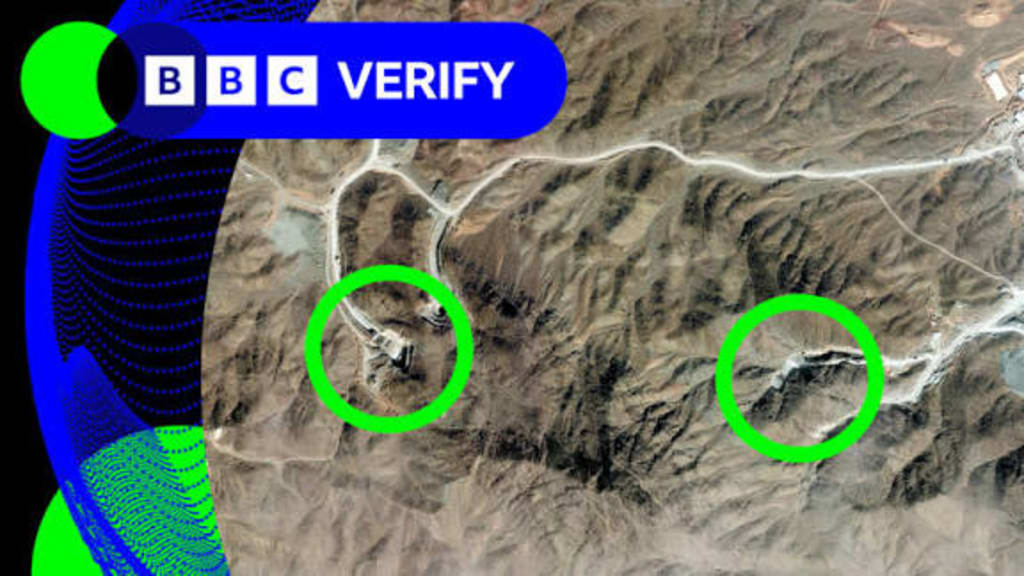
New high-resolution satellite imagery has revealed that Iran is intensifying defensive measures at one of its most sensitive nuclear facilities, a development that experts say reflects Tehran’s growing concern about the possibility of renewed military action against its nuclear infrastructure. Analysts assessing the imagery say the activity signals a concerted push to harden subterranean access points and fortify above-ground structures — moves that could complicate any potential strike planning by foreign powers amid simmering geopolitical tensions.
The site at the centre of the imagery is the Isfahan nuclear complex, one of Iran’s major enrichment and conversion facilities. Recent satellite photos, taken earlier this month and analysed by independent watchdog groups, show that entrances to several large underground tunnels and passageways have been buried under earth and debris, making them difficult to detect and access. Additional defensive works — including the construction of new roofs over previously damaged buildings — were also visible around the site, indicating a broader effort to protect infrastructure and restrict the visibility of sensitive components.
Satellite Evidence of Defensive Hardening
According to imagery reviewed by analysts from the Institute for Science and International Security and other observers, Iran has backfilled both the central and southern tunnels at Isfahan with soil, rendering them “unrecognisable” from above. The northern entrance, while not fully obscured, also showed signs of defensive measures. These changes were marked by the absence of vehicle activity nearby, suggesting that access points were purposefully sealed rather than temporarily closed for maintenance.
Experts interpreting the satellite data said the defensive steps likely serve multiple strategic purposes. By burying tunnel entrances and reinforcing buildings, Tehran may be seeking to protect crucial infrastructure from potential aerial strikes or commando raids, shield remnants of its nuclear work from visual surveillance, and slow any adversary’s ability to penetrate the site swiftly in a crisis.
One veteran military intelligence analyst described the pattern as part of a broader Iranian doctrine of “passive defence,” in which critical facilities are hardened, concealed or physically obscured to reduce their vulnerability to attack. “Covering and fortifying these entry points makes them far harder targets for precision weapons or a rapid special operations incursion,” the analyst told Reuters, adding that such measures are relatively inexpensive compared to rebuilding after an attack.
Context: Conflict and Diplomacy at a Critical Juncture
Iran’s reinforcement of its nuclear facilities comes amid ongoing tension with the United States, Israel and other Western powers over Tehran’s nuclear programme and regional influence. Last year’s military confrontations — including airstrikes on Iranian nuclear and military targets by Israel and the United States — fractured diplomacy and heightened fears of further escalation.
That conflict, which began with a series of strikes on Iran’s nuclear and missile infrastructure, underscored the vulnerability of above-ground and poorly protected assets to precision attacks. Since then, Tehran has pursued a mix of diplomatic engagements and strategic deterrence measures, even as it resists full resumption of international inspections at key sites.
The defensive construction seen in the latest imagery may be interpreted as a precautionary signal that Iran anticipates the possibility of future military actions, particularly if negotiations with global powers over its nuclear programme falter. According to strategic analysts, burying key access points and reinforcing buildings improves survival prospects in the event of air attacks, while complicating foreign intelligence assessments of what remains intact underground.
Implications for Regional Stability
The defensive moves come at a time of active diplomatic engagement, including offers by Iran to allow broader verification of its nuclear facilities by international inspectors — a position emphasised by President Masoud Pezeshkian in recent remarks. However, Tehran’s insistence on verification without unfettered access has left many questions unresolved.
For neighbouring states and Western capitals, the satellite imagery reinforces concerns that Iran is preparing for a dual-track approach: pursuing negotiation when possible, while hardening sites to mitigate the impact of any hostile campaign. Such a posture could make any future military strike considerably more complex, requiring deeper penetration or alternate tactics to neutralise underground infrastructure.
The developments highlight a broader reality: in an era of advanced satellite surveillance and hardened underground facilities, the interplay between visible preparedness and strategic ambiguity is likely to shape future confrontation and diplomacy over Iran’s nuclear ambitions. As Tehran continues to adapt, analysts warn that any miscalculation could have far-reaching consequences for regional security and nuclear non-proliferation efforts.
About the Creator
Fiaz Ahmed
I am Fiaz Ahmed. I am a passionate writer. I love covering trending topics and breaking news. With a sharp eye for what’s happening around the world, and crafts timely and engaging stories that keep readers informed and updated.
Keep reading
More stories from Fiaz Ahmed and writers in The Swamp and other communities.
India to Import Crude Oil from Cheapest, Best-Quality Non-Sanctioned Sources
India will continue to prioritise importing crude oil from the most cost-effective and highest-quality sources that are not subject to international sanctions, government officials told a parliamentary committee this week — a strategy reflecting New Delhi’s efforts to balance energy security, economic priorities and geopolitical pressures in an increasingly volatile global oil market. The Economic Times In a closed session before the Parliamentary Standing Committee on External Affairs, senior officials from the ministries of External Affairs and Commerce outlined the government’s posture on crude oil procurement, emphasising that Indian oil companies will source crude where it is cheapest and of desirable quality — while taking into account geopolitical conditions and avoiding suppliers under sanctions. The disclosure comes as India — the world’s third-largest oil importer and consumer — navigates divergent pressures from major trading partners, sanctions regimes, and strategic relationships with producing nations in the Middle East, Africa, South America and beyond. The Economic Times A Pragmatic Sourcing Strategy Officials clarified that the policy does not lock India into any single supplier, but rather allows flexibility in procurement so long as the oil meets critical parameters of price competitiveness and quality. This approach will factor in evolving geopolitical conditions, including sanctions imposed by Western countries that affect certain exporters and suppliers, without directly contravening United Nations-mandated restrictions. The Economic Times “India’s overarching priority is energy security — ensuring consistent, reliable and affordable crude oil supplies for our economy,” an official briefing note told MPs, underscoring that the strategy aims to keep energy costs low while respecting global regulatory frameworks. The policy was described as forward-looking and commercially driven, rather than ideologically anchored to particular source countries. Indian refiners, including state-owned and private entities, will be encouraged to pursue competitive tendering and diversify supply portfolios to reduce exposure to potential supply shocks. The Economic Times Russia, Discounts, and Diverse Options For much of the past few years, India has been a major buyer of Russian crude oil, taking advantage of steep discounts following Western sanctions on Moscow after its invasion of Ukraine. At times, Russia accounted for 40-45 % of New Delhi’s crude imports, with Urals crude offered at significant discounts compared with global benchmarks. Outlook India However, recent developments have complicated that dynamic. New U.S. sanctions on Russia’s largest oil producers and export infrastructure have begun to reduce direct imports of Russian crude to India, and major Indian refiners have signalled a reduction in purchases that would arrive after sanctions take effect during 2026. At the same time, some refiners have resumed buying non-sanctioned Russian barrels from alternative sellers and traders, illustrating how the market can adapt when direct sourcing from sanctioned entities becomes untenable. Trade Deals and Geopolitical Balance The discussions before the parliamentary panel also touched on ongoing trade negotiations with the United States and the European Union, including a potential interim agreement with Washington that could have implications for energy trade and tariff arrangements. The Economic Times Officials emphasised that energy import strategy will continue to be aligned with India’s broader foreign policy objectives, which include strengthening economic ties with partners while maintaining sovereign decision-making on energy procurement. The Economic Times Market Realities and Refinery Considerations Indian refiners have already begun adjusting supply plans in response to shifting market conditions. Some are exploring greater purchases from the Middle East and African producers, while others have taken steps to limit future Russian imports tied to sanctioned supply chains. Zonebourse For example, private sector giant Reliance Industries reportedly slashed its intake of Russian crude and prioritised non-sanctioned sources to ensure compliance with global sanctions regimes and maintain access to key export markets, such as the European Union, which implemented bans on products derived from Russian oil. Indian refineries are also recalibrating feedstock mixes based on changing crude price dynamics, quality specifications and logistical efficiencies as global producers adjust output. The Economic Times Looking Ahead With crude oil prices still sensitive to geopolitical developments, supply disruptions and OPEC+ production decisions, India’s multidimensional sourcing strategy aims to protect its economy from undue price volatility while ensuring energy imports remain consistent, cost-effective and free from sanction risks. As the government continues to refine procurement guidelines and navigate international trade landscapes, Indian policymakers assert that these measures will help safeguard the nation’s energy security in an uncertain global energy environment.
By Fiaz Ahmed 3 days ago in The Swamp
Why Black History Matters in America?
The United States of America is celebrating their 250th anniversary in 2026. I'm proud to be an American and as someone who was born here, I wouldn't imagine myself living anywhere else. This is a country where opportunities are possible. Where anyone can be successful in anything they desire to do. Equality, community, and togetherness are the backbones of what America is and should be about. However, we have an administration who wants to erase and disregard those who have made positive, meaningful impacts in our country, specifically Black figures, such as Martin Luther King, Jr., Rosa Parks, and Maya Angelou. President Trump and his administration have been constantly complaining and fighting against what they call the "Woke agenda". They use this excuse as a distraction from other issues they refuse to address, such as the high cost of living, climate change, and inflation. That equality is dividing America, when in reality, it's bringing us together. Being woke is not tied to a specific political party. No matter where you stand on the political spectrum, you can still care about other people and their plights. Compassion and empathy for others isn't tied to a political party, either. We were taught as children to treat others the way we want to be treated and not judge others because they're different from us. Caring about others isn't a personal attack on your beliefs. It doesn't make you any less of a person. People who are easily offended over African American figures, past or present, or anything related to it, are grasping at straws. Current and future generations need to know who people like Harriet Tubman and Shirley Chisholm were, especially in the classroom. Black History is part of American History. It should be recognized, not hidden or forgotten. Besides, you can't shield children from everything, just because your feelings are easily hurt.
By Mark Wesley Pritchard 13 days ago in The Swamp
Iranian Security Use Nationwide Dragnet to Arrest Protesters
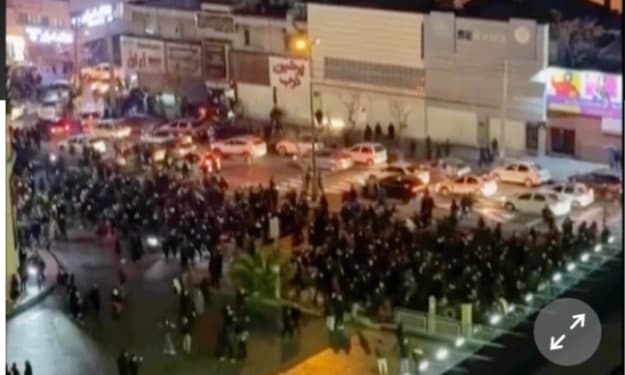
In a dramatic escalation of its response to public unrest, Iranian security forces have launched a nationwide dragnet to identify, detain, and silence protesters across the country. From major urban centers to smaller provincial towns, reports indicate that security agencies are carrying out coordinated raids, road checkpoints, and digital surveillance operations aimed at dismantling protest networks and discouraging further demonstrations.
By Sajida Sikandarabout 4 hours ago in The Swamp



Comments
There are no comments for this story
Be the first to respond and start the conversation.