
Iran Is Selling More Oil but Making Less Money
Why Tehran’s booming exports aren’t boosting its revenue
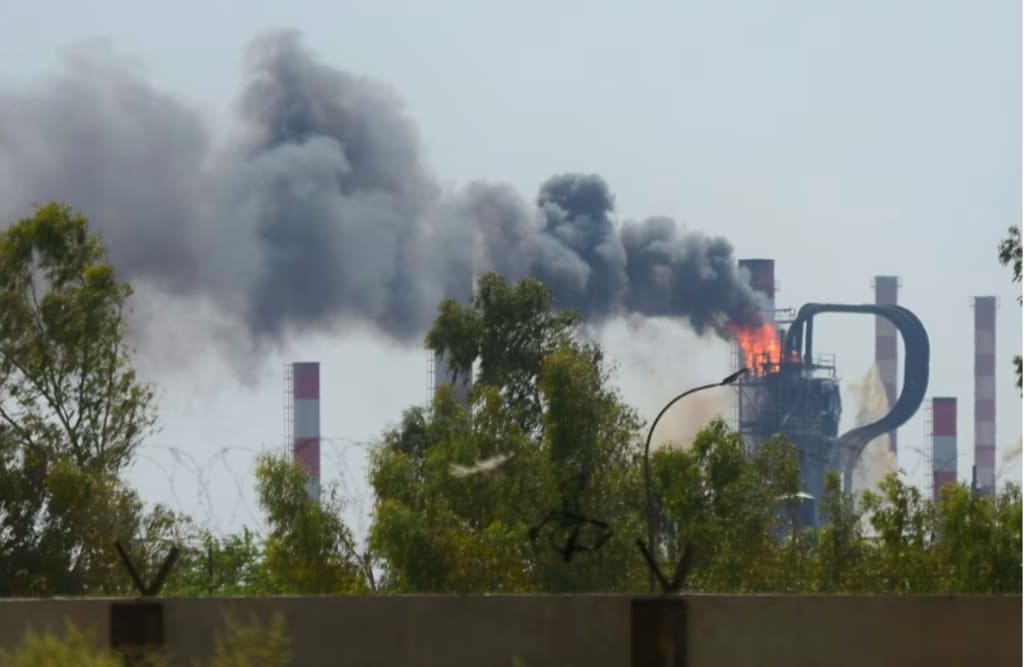
When it comes to oil, Iran should be in the money. After all, the country is selling more barrels than it has in years. But here’s the twist: despite higher sales, Iran is earning less. Yes, you read that right. More oil, but less cash in the bank.
Let’s break down why this paradox is happening and what it means for Iran’s economy.
A Surprising Paradox
Oil has long been Iran’s economic lifeline. Traditionally, more oil sales meant more revenue, helping fund government projects, subsidies, and public services. But today, something unusual is happening: Iran’s crude exports are up, yet its net revenue is shrinking.
How? The answer lies in a combination of sanctions, discounts, and complicated logistics that are eating into profits.
The Shadow Fleet: Oil Sales in Stealth Mode
Because of U.S. sanctions, Iran can’t always sell oil through normal channels. Enter the “shadow fleet”: a network of reflagged tankers, secret ship-to-ship transfers, and informal buyers. These methods keep oil flowing, especially to China, but they aren’t cheap.
Using these covert channels raises costs, slows payments, and makes transactions riskier. Add U.S. efforts to target these vessels, and the system becomes even more expensive and fragile.
Discounts That Cut Into Earnings
Even when Iran finds a buyer, the price isn’t always in its favor. To entice countries and bypass sanctions, Iranian oil is often sold at steep discounts — sometimes $6–$10 below global benchmarks like Brent crude.
This means that even if Iran ships more barrels, each one earns less money. So the total revenue can actually be lower than before, despite higher sales volumes.
Costs Add Up
Selling more oil doesn’t mean automatic profit, especially when sanctions are involved. Iran’s indirect sales routes increase operational costs, from covert logistics to intermediaries. These expenses eat away at profits, forcing Iran to sell even more oil just to break even.
It’s like running a business where every sale comes with hidden fees — the more you sell, the more you actually spend.
Currency Woes Make Things Worse
Even when Iran earns foreign currency from oil, accessing it is another challenge. Restrictions on banking systems mean money often sits offshore, limiting its impact on the local economy.
On top of that, the Iranian rial is weak. That makes imports more expensive and inflation worse. So even higher oil sales aren’t helping citizens feel richer.
Global Oil Market Pressures
Iran isn’t operating in a vacuum. Global oil prices fluctuate, and competition — especially from discounted Russian oil — puts downward pressure on prices.
The combination of steep discounts, high costs, and global competition means Iran is trapped in a cycle where more oil doesn’t translate into more money.
China: The Major Player
Most of Iran’s crude goes to China, often through independent refiners who take discounted barrels. While this keeps exports alive, it also gives China bargaining power, forcing Iran to accept lower prices to keep buyers interested.
This dependency amplifies the revenue problem, making it hard for Iran to fully capitalize on its increased sales.
The Economic Ripple Effect
Oil revenue fuels much of Iran’s government spending. When it falls, budgets tighten, subsidies shrink, and inflation rises. This contributes to economic frustration and, in some cases, social unrest.
Simply put, the oil sector’s struggles ripple across the whole economy, affecting ordinary citizens more than anyone else.
Why “More Oil, Less Money” Happens
The paradox boils down to a few key factors:
Heavy discounts to attract buyers
Rising costs from sanctions and covert logistics
Limited banking access and currency issues
Dependence on a single major buyer (China)
Fluctuating global oil prices
Even with high export volumes, Iran faces a challenging economic reality that defies conventional logic: more barrels shipped does not equal more cash earned.
What’s Next for Iran?
Iran faces tough choices. Continuing informal, discounted sales may keep exports high but will likely keep revenues low. On the other hand, restoring legitimate trade channels or diversifying the economy could help, but progress in these areas is slow.
For now, Iran’s oil paradox — more oil sold but less money made — highlights how political isolation and market pressures can warp even the most basic economic rules.
💡 Key Takeaway: Iran’s experience shows that in today’s global economy, selling more of your main commodity doesn’t always guarantee financial gain. Sanctions, discounts, and market dynamics can turn an economic strength into a liability.
About the Creator
Keep reading
More stories from Aqib Hussain and writers in The Swamp and other communities.
Pentagon Downplays China Threat: What It Means for U.S. Allies
For years, China has been framed as the central strategic threat in U.S. defense planning. From military modernization to tensions over Taiwan and the South China Sea, Washington’s messaging consistently placed Beijing at the heart of its global security concerns.
By Aqib Hussainabout 19 hours ago in The Swamp
Ubisoft Shares Tumble After ‘Assassin’s Creed’ Creator Announces Restructuring and Game Cancellations
Ubisoft, one of the biggest names in the gaming industry, is facing a turbulent period. The company’s shares fell sharply after the creator behind its blockbuster franchise, Assassin’s Creed, revealed plans for a major corporate restructuring and the cancellation of several games. For gamers and investors alike, this news has raised questions about the future of the company and its popular titles.
By Muhammad Hassan5 days ago in The Swamp
Former Muckamore Patient Subjected to Abuse in New Facility, Committee Told
A vulnerable patient who had been resettled from the now‑infamous Muckamore Abbey Hospital was subjected to ill‑treatment at a different care facility in recent months, campaigners told Northern Ireland’s Health Committee this week — highlighting ongoing failures in the protection of adults with disabilities. �
By Ayesha Lashari4 days ago in The Swamp
The Blue Ridge Stalker
Tom had left the Ford down the way, its spark plugs finally exhausted and no mechanics for a dozen miles back through the foothills to Strossburg. No matter, he had worn his boots—almost as if he planned for this to happen. The puzzle he sought to solve emanated from the woods clinging to the slopes above; the valley behind held no mysteries.
By Stephen A. Roddewig6 days ago in Fiction


Comments
There are no comments for this story
Be the first to respond and start the conversation.