
Iran Is Selling More Oil but Making Less Money
How higher exports aren’t translating into higher profits


In an unusual twist for one of the world’s largest oil-producing nations, Iran is exporting more crude oil than it has in years — yet its oil revenues are falling instead of rising. At first glance, this seems contradictory: how can selling more of a valuable commodity generate less money? The answer lies in a complex combination of sanctions, market dynamics, discount sales, and geopolitical realities.
Despite reports that Iran’s oil exports — particularly to China — have reached levels not seen since before the 2010s, the country is earning far less than expected. This economic paradox reflects how the global energy market can work against even the biggest oil producers under certain conditions.
How Iran Is Increasing Oil Exports
In 2025, Iran saw a significant increase in oil exports. Analysts report that shipments climbed back toward levels not seen in nearly a decade, largely by relying on covert shipping networks and intermediaries. These methods allow Iran to bypass some international sanctions and keep crude flowing to buyers.
Most of this oil is shipped to China, often through informal channels that involve turning off tracking systems, transferring oil ship-to-ship, and using private buyers outside of formal markets. This “shadow fleet” allows Iran to maintain export volumes even when official sales are restricted.
Despite these logistical challenges, Iran now exports millions of barrels per day, compared with much lower figures during periods of tight sanctions in the early 2020s.
Why Exporting More Oil Doesn’t Mean More Revenue
Selling more oil would normally mean more revenue, but several factors are keeping profits low for Iran:
1. Deep Discounts on Iranian Crude
Because Iran cannot rely on official export channels, it is forced to sell oil at steep discounts. Chinese buyers, for example, often purchase Iranian barrels $6–$10 below global market prices. While this keeps exports flowing, it significantly reduces profits.
2. Extra Costs Due to Sanctions
Operating outside legal channels comes with high costs. Moving oil covertly involves additional expenses for logistics, insurance, and intermediary services. These “shadow market” costs cut into Iran’s earnings, meaning more exports don’t translate into more cash.
3. Falling Global Oil Prices
Global crude prices dropped in late 2025 and early 2026 due to oversupply and lower demand. When world prices fall, countries like Iran — already selling at discounts — suffer even more, further reducing revenue.
4. Currency Devaluation
Iran’s domestic currency, the rial, has continued to weaken. When oil earnings are converted into local currency, the value received is much lower than expected. Combined with high inflation, this leaves the government and citizens with less real purchasing power.
China’s Role in Iran’s Oil Paradox
China has become Iran’s largest and most important oil buyer. Roughly 80–90% of Iranian exports are destined for Chinese refineries, many operating outside official global channels.
While this relationship keeps Iran’s oil flowing, it also creates a reliance on a single major customer. China benefits from discounted oil, while Iran earns less revenue and has less bargaining power. Meanwhile, competition from other discounted producers like Russia further depresses prices, exacerbating the revenue shortfall.
The Economic Impact on Iran
Despite higher exports, the lack of revenue growth has serious consequences for Iran’s economy:
Government budget shortfalls, since oil revenue makes up a large portion of public spending
Inflation and a weak currency, reducing purchasing power for ordinary citizens
Rising public dissatisfaction, with protests and economic grievances surfacing due to stagnant income and reduced services
The paradox of more exports but less income highlights how sanctions, global market conditions, and domestic economic challenges interact in complex ways.
Sanctions and the Shadow Fleet
The reason behind Iran’s low profits is deeply tied to international sanctions. These sanctions, particularly those reimposed after the U.S. exited the 2015 nuclear deal, prevent Iran from selling oil through conventional banking and trading channels.
To bypass restrictions, Iran relies on a shadow fleet, including covert tankers and private intermediaries. While this keeps oil flowing, it comes at a high cost and keeps Iran outside mainstream markets, preventing the country from earning full market value.
In short, Iran is trading profitability for survival, ensuring exports continue while accepting lower revenue.
Can Iran Turn This Around?
Experts disagree on whether Iran can reverse this trend. Potential solutions include:
Sanctions relief or renewed diplomatic agreements, which could allow Iran to access legitimate markets and sell oil at full price
Diversifying export markets, reducing dependence on China
Investing in domestic infrastructure, improving efficiency and reducing costs for shipping and production
However, geopolitical uncertainty, competition from other producers, and internal economic challenges make a full recovery uncertain.
Final Thoughts
Iran’s oil industry demonstrates that more isn’t always better. Selling higher volumes does not guarantee higher profits, especially when sanctions, discounts, and global market forces are in play.
The country’s paradox — exporting more oil but making less money — highlights the delicate balance between geopolitics, economics, and global energy markets. While oil remains Iran’s most important economic asset, the combination of sanctions, low prices, and extra costs continues to challenge the government and citizens alike.
For the international community, this situation is a reminder that market access and pricing power are just as important as production volumes. For Iran, it’s a tough lesson in how exporting more can sometimes mean earning less.
About the Creator
Muhammad Hassan
Muhammad Hassan | Content writer with 2 years of experience crafting engaging articles on world news, current affairs, and trending topics. I simplify complex stories to keep readers informed and connected.
Keep reading
More stories from Muhammad Hassan and writers in The Swamp and other communities.
Arlington Restaurants Offer Snow Day Specials During Winter Storm
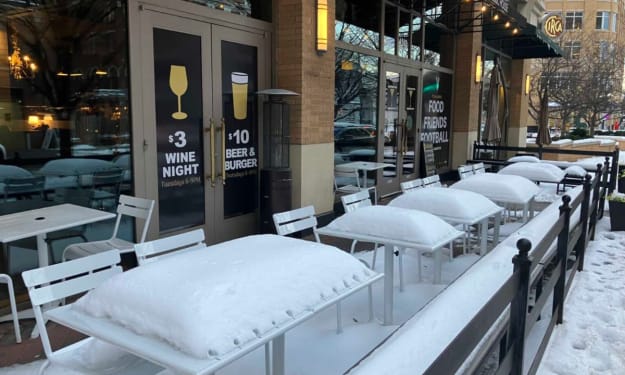
Arlington residents woke up to a winter wonderland recently as a major winter storm swept across the area, leaving snow-covered streets and a chilly atmosphere. While many were preparing to stay home and cozy up by the fireplace, local restaurants in Arlington saw an opportunity to brighten the day — and their menus — with snow day specials. From piping hot comfort food to discounted meals, these eateries are offering a mix of warmth, creativity, and community spirit. Snow Day Specials: Comfort Food Meets Creativity Winter storms can be inconvenient, but in Arlington, they’ve also sparked innovative menu ideas. Restaurants across the city are rolling out snow day specials, designed to attract locals while providing the comfort everyone craves on a cold, snowy day. Some of the highlights include: Discounted hot beverages like gourmet hot chocolate, spiced lattes, and mulled cider to help residents thaw out after trudging through snow-covered streets. Soups and stews, ranging from classic chicken noodle to rich, creamy chowders. These hearty meals not only warm the body but also evoke feelings of home and nostalgia. Snow-themed desserts, including snowflake-shaped cookies, molten chocolate cakes, and special winter sundaes designed to bring a little cheer to a gray day. Many of these specials are available for pickup or delivery, recognizing that travel can be hazardous during winter storms. Some restaurants are even offering free delivery within Arlington to ensure customers can enjoy their meals safely at home. Local Favorites Join the Fun Several well-known Arlington restaurants have joined the snow day initiative, creating deals that have residents buzzing online: The Cozy Spoon is offering a “Snow Day Comfort Combo,” featuring a steaming bowl of mac and cheese, a hot chocolate, and a warm cookie for a bundled price. Frost & Flame Café has introduced a “Snow Day Latte Special,” allowing customers to enjoy a handcrafted latte with a complimentary snowflake-shaped pastry. Harbor House Bistro is running a “Winter Feast Deal,” which includes a half-off special on their famous beef stew and a seasonal bread basket. Local social media feeds are filled with pictures of frosty streets contrasted by the warmth of these dishes, and residents are tagging restaurants to share their snow day experiences. Hashtags like #ArlingtonSnowDay, #WinterWarmth, and #SnowDaySpecials are trending in the local community, showing the popularity of these creative offerings. Why Snow Day Specials Matter While it may seem like just a marketing tactic, snow day specials offer more than discounts and deals — they foster a sense of community and connection during the challenging winter months. Supporting Local Businesses: Winter storms can reduce foot traffic, impacting restaurant revenue. Special deals encourage residents to order in or venture out safely, helping local businesses stay afloat. Community Engagement: Snow day specials give people a reason to share photos, experiences, and recommendations online, strengthening the local food community. Comfort and Connection: Good food has a way of lifting spirits. During icy, gloomy weather, these specials provide not just sustenance but also a sense of comfort and togetherness. In many ways, Arlington’s snow day specials are a reminder that even in the midst of a storm, local businesses can creatively adapt and bring people together. Safety and Convenience for Winter Storm Conditions Restaurants are mindful of the challenges winter storms pose, including hazardous roads and power outages. Many Arlington eateries are offering: Online ordering and contactless delivery Curbside pickup, so residents don’t have to navigate icy parking lots Extended hours to accommodate changes in daily schedules due to school closures or work-from-home adjustments This ensures that while people enjoy the snow day specials, they also stay safe and warm. Resident Reactions Arlington residents have embraced the snow day specials with enthusiasm. Social media posts feature steaming mugs of coffee, gooey desserts, and hearty stews, often paired with snowy backdrops. One local resident commented, “I didn’t want to leave the house because of the snow, but the Frost & Flame latte special was too good to pass up. It made a dreary day feel festive!” Another shared, “The Cozy Spoon’s mac and cheese combo was the perfect treat after shoveling the driveway. Snow days aren’t so bad when there’s food like this.” The combination of comfort food and creative promotions has made snow days something Arlington residents now look forward to, despite the winter chill. Looking Ahead: Snow Days as a Local Tradition Given the success of this initiative, it’s likely that Arlington restaurants will continue offering snow day specials in future winters. These promotions not only boost sales but also cultivate a sense of local pride and connection. As winter storms continue to hit cities like Arlington, residents can expect: Seasonal winter menus and themed specials Discounts or bundled meals to encourage home dining Opportunities to discover new favorite restaurants without leaving the warmth of home Ultimately, snow day specials demonstrate how creativity, food, and community spirit can turn a challenging winter day into a memorable experience. Final Thoughts Arlington restaurants are proving that winter storms don’t have to mean canceled plans or dreary days. Instead, they’re offering snow day specials that bring warmth, comfort, and a touch of creativity to residents’ homes and tables. From hearty stews to gourmet hot chocolates and desserts, these promotions show the power of food to uplift spirits, even in the coldest weather. Whether you’re picking up a snow day combo from The Cozy Spoon, ordering a latte from Frost & Flame Café, or enjoying a seasonal dish from Harbor House Bistro, Arlington residents have plenty of ways to turn a winter storm into an opportunity for joy, comfort, and connection. Next time snow blankets the streets, don’t just stay home — check out your local restaurants’ snow day specials. You might discover your new favorite winter comfort food.
By Muhammad Hassan2 days ago in The Swamp
Xi’s Purge of Top General Spurs Questions on Taiwan, Succession
In one of the most dramatic political moves in recent Chinese history, President Xi Jinping has targeted one of his longest-serving military allies, General Zhang Youxia, vice chairman of China’s Central Military Commission (CMC). The purge has sparked serious questions about Beijing’s plans for Taiwan and the future of political succession in China.
By Aqib Hussain2 days ago in The Swamp



Comments
There are no comments for this story
Be the first to respond and start the conversation.