
Iran and US Set for Talks in Oman Over Nuclear Program After Tehran Shaken by Nationwide Protests
High-stakes negotiations return as Iran faces internal unrest, economic pressure, and growing global scrutiny over uranium enrichment.

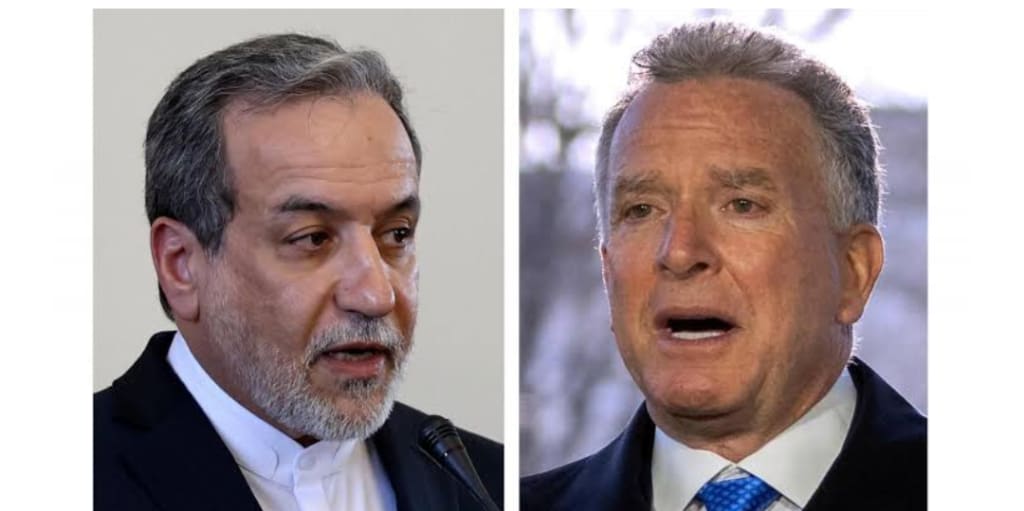
Iran and the United States are once again preparing to sit across the table—this time in Oman—for renewed talks over Tehran’s nuclear program. The meeting comes at a politically sensitive moment for Iran, which has recently been shaken by nationwide protests, rising economic frustration, and growing international criticism.
Although Washington and Tehran have a long history of failed negotiations and mistrust, the decision to restart talks signals one important reality: both sides see the current situation as too dangerous to ignore.
With Iran expanding its nuclear activities and the U.S. warning of consequences if diplomacy fails, the Oman talks are being viewed as a possible turning point—either toward renewed agreement or toward deeper regional escalation.
Why the Iran-US Talks Are Happening in Oman
Oman has historically played the role of a quiet mediator between Iran and Western powers. Even during periods when formal diplomacy collapsed, Muscat often remained one of the few channels where messages could be exchanged discreetly.
This time, the choice of Oman is not accidental. The Gulf state is seen as:
neutral compared to other regional powers
experienced in sensitive backchannel negotiations
politically stable
trusted by both Washington and Tehran
Diplomatic observers believe Oman provides the safest environment for both sides to hold talks without media chaos or public pressure.
Iran’s Nuclear Program: The Core Issue
At the center of the negotiations is Iran’s nuclear program, particularly its uranium enrichment levels and the transparency of its nuclear facilities.
The U.S. and its allies argue that Iran has gone beyond what is needed for peaceful energy purposes. Iran insists its program is for civilian use, such as:
nuclear energy
medical research
industrial needs
However, the concern remains that higher enrichment levels bring Iran closer to the capability of producing nuclear weapons—something Iran denies pursuing but which international analysts say is technically possible if limits are not restored.
For Washington, the primary goal is to ensure Iran cannot reach a “breakout” point where it could develop nuclear weapons quickly.
For Iran, the key demand remains clear: sanctions relief and recognition of its right to peaceful nuclear development.
Nationwide Protests: A Major Backdrop to Diplomacy
What makes this round of talks different is the domestic situation inside Iran.
In recent weeks, Iran has experienced widespread protests fueled by:
inflation and economic hardship
unemployment
political frustration
public anger at government restrictions
dissatisfaction with corruption and inequality
The protests reportedly spread across multiple cities, forcing Iranian leadership into a defensive position. Many analysts believe Tehran’s decision to engage in talks now may be partly motivated by the desire to ease economic pressure and reduce international isolation.
Sanctions have already strained Iran’s economy for years, and political unrest makes that strain even more dangerous for the government.
In short, Iran may be coming to the table because it needs breathing room.
What the United States Wants From These Talks
Washington’s official position has been consistent: Iran must reduce nuclear enrichment and accept meaningful oversight.
But the U.S. also has broader strategic concerns, including:
Iran’s ballistic missile program
Tehran’s influence in Iraq, Syria, Lebanon, and Yemen
tensions involving Israel and Gulf Arab states
maritime security in the Persian Gulf
Iran has repeatedly stated it will not negotiate its defense capabilities, including missile development, because it sees them as essential for national security.
This difference in priorities is one of the biggest obstacles to reaching a full agreement.
Why the Talks Matter for the Middle East
The Iran-US relationship impacts the entire Middle East. Any breakthrough—or collapse—can immediately affect:
oil prices
regional alliances
military activity
trade routes
security risks for neighboring countries
The Gulf region, especially Oman, Saudi Arabia, the UAE, and Qatar, will be watching closely. So will Israel, which has repeatedly warned that Iran’s nuclear progress poses an existential threat.
If the talks fail, the risk of military escalation increases. If they succeed, even partially, the region may see a temporary cooling of tensions.
The Biggest Challenges: Mistrust and Politics
Even if both sides appear willing to talk, mistrust remains massive.
Iran’s leadership remembers:
decades of sanctions
past U.S. withdrawals from agreements
political pressure campaigns
The U.S. remembers:
Iran’s expansion of enrichment
limited access for inspectors in past years
regional proxy conflicts
threats against American interests
On top of that, domestic politics complicate diplomacy.
In the U.S., any deal with Iran is politically controversial. In Iran, hardliners view negotiations with America as weakness. Both governments must balance diplomacy with internal power struggles.
This is why experts say the Oman talks are likely to be slow, cautious, and possibly limited in scope.
What Success Could Look Like
A full nuclear agreement may be difficult, but even a smaller “confidence-building” deal could reduce tension.
Possible outcomes include:
1. Temporary enrichment limits
Iran could cap uranium enrichment at a lower percentage.
2. Increased inspections
Iran could allow more monitoring by international nuclear inspectors.
3. Partial sanctions relief
The U.S. could offer limited economic relief in exchange for nuclear steps.
4. A roadmap for future negotiations
Both sides could agree to a timeline for expanded talks.
Even small progress would be considered meaningful after years of stalled diplomacy.
What Happens If Talks Fail?
If the Oman talks collapse, several risks increase:
Iran may accelerate nuclear development
the U.S. may tighten sanctions further
regional tensions may rise
military incidents could occur in the Gulf
oil markets could become unstable
Failure could also strengthen hardliners on both sides who argue diplomacy is useless.
In that case, the world may move closer to a scenario where deterrence, threats, and conflict replace negotiation.
FAQs
Why are Iran and the U.S. meeting in Oman?
Oman is considered a neutral mediator and has hosted sensitive diplomatic discussions between Iran and Western countries in the past.
What is the main topic of the talks?
The main focus is Iran’s nuclear program, especially uranium enrichment and international monitoring.
How do protests in Iran affect the talks?
Protests increase domestic pressure on Iran’s leadership and may push Tehran to seek sanctions relief or reduced international isolation.
Will the U.S. remove sanctions?
Sanctions relief is possible, but likely only if Iran agrees to verifiable nuclear limits.
Can these talks lead to a full nuclear deal?
A full deal is uncertain, but even partial agreements could reduce tensions and prevent escalation.
Conclusion
The upcoming Iran-US talks in Oman arrive at a critical moment. Iran faces internal unrest, economic stress, and growing international scrutiny. The U.S., meanwhile, wants to prevent Iran from moving closer to nuclear weapons capability while managing regional stability.
Whether the talks lead to a breakthrough or another stalemate, the stakes are high—not just for Tehran and Washington, but for the entire Middle East and global security.
For now, diplomacy is back on the table. The world will be watching to see whether it produces results—or simply delays the next crisis.
About the Creator
Asad Ali
I'm Asad Ali, a passionate blogger with 3 years of experience creating engaging and informative content across various niches. I specialize in crafting SEO-friendly articles that drive traffic and deliver value to readers.
Why Black History Matters in America?
The United States of America is celebrating their 250th anniversary in 2026. I'm proud to be an American and as someone who was born here, I wouldn't imagine myself living anywhere else. This is a country where opportunities are possible. Where anyone can be successful in anything they desire to do. Equality, community, and togetherness are the backbones of what America is and should be about. However, we have an administration who wants to erase and disregard those who have made positive, meaningful impacts in our country, specifically Black figures, such as Martin Luther King, Jr., Rosa Parks, and Maya Angelou. President Trump and his administration have been constantly complaining and fighting against what they call the "Woke agenda". They use this excuse as a distraction from other issues they refuse to address, such as the high cost of living, climate change, and inflation. That equality is dividing America, when in reality, it's bringing us together. Being woke is not tied to a specific political party. No matter where you stand on the political spectrum, you can still care about other people and their plights. Compassion and empathy for others isn't tied to a political party, either. We were taught as children to treat others the way we want to be treated and not judge others because they're different from us. Caring about others isn't a personal attack on your beliefs. It doesn't make you any less of a person. People who are easily offended over African American figures, past or present, or anything related to it, are grasping at straws. Current and future generations need to know who people like Harriet Tubman and Shirley Chisholm were, especially in the classroom. Black History is part of American History. It should be recognized, not hidden or forgotten. Besides, you can't shield children from everything, just because your feelings are easily hurt.
By Mark Wesley Pritchard 7 days ago in The Swamp
No, Billie Eilish, Americans Are Not Thieves on Stolen Land
Billie Eilish, the Grammy-winning American pop star, has recently stirred up controversy with a statement during one of her concerts where she remarked, "Americans are thieves on stolen land." While the singer’s intention may have been to highlight historical injustices, particularly in relation to the treatment of Indigenous peoples in the U.S., the statement is problematic for several reasons. It oversimplifies complex historical realities and misrepresents the modern-day American identity. The comment, though seemingly reflective of growing awareness about issues such as colonialism, exploitation, and displacement, does not fully acknowledge the nuances of U.S. history or the role contemporary Americans play in addressing past wrongs. While historical injustices are undeniable, it’s critical to examine what it means to be an American today and how we approach reconciliation with the land’s original inhabitants. The Historical Context: Colonization and Its Legacy It’s important to acknowledge the historic truths behind Eilish's statement. The United States was, indeed, built on the land that was originally inhabited by Indigenous peoples. European settlers, beginning with the arrival of Columbus in the 15th century, engaged in a systematic campaign to take control of Native American territories. These actions resulted in widespread violence, forced displacement, broken treaties, and genocide. The U.S. government’s policies of the 19th century, such as the forced removal of Native Americans to reservations and the expansionist doctrine of Manifest Destiny, contributed further to the devastation of Indigenous cultures and societies. The land was taken, and many Native communities lost everything — their homes, their land, and in many cases, their lives. This is a painful reality that cannot and should not be overlooked. However, the critical aspect here is that history cannot be reduced to a simple narrative of "thieves on stolen land." While the U.S. government’s actions in the 18th and 19th centuries have left a deep scar, modern Americans live in a vastly different context, one in which the acknowledgement of these wrongs and efforts toward justice and reconciliation are actively being pursued. Evolving America: A Nation in Flux To frame modern Americans as "thieves on stolen land" ignores the complexity of today’s U.S. and the efforts being made by individuals and groups to correct historical wrongs. Since the civil rights movements, the U.S. has undergone significant social and political changes. Laws protecting the rights of marginalized groups, including Native Americans, have been passed, and federal recognition of Indigenous tribes and nations has been a central part of the evolving American political landscape. In recent decades, Indigenous rights activists, politicians, and organizations have worked tirelessly to reclaim land, preserve culture, and revitalize Native languages. In addition to this, many non-Indigenous Americans support these movements and engage in ongoing conversations about the reparative steps that need to be taken. For instance, land acknowledgments — formal statements recognizing the traditional owners of land — have become a significant part of educational, cultural, and governmental institutions, including those that host concerts like Eilish’s. The recognition of past mistakes does not make contemporary Americans complicit in them. Many modern-day Americans are involved in reparative work, fighting for the rights of Indigenous peoples and acknowledging the painful legacy of colonialism. The U.S. is a country that has been shaped by numerous waves of immigrants, each of whom has their own unique history and connection to the land. This multi-ethnic and multi-racial identity cannot be erased by blanket generalizations, nor should it be. The Importance of Nuanced Dialogue While Billie Eilish’s comment may have been well-intentioned, it oversimplifies the narrative of American history and identity. Art, music, and performance can be a powerful means of raising awareness about social and political issues. Eilish has used her platform to speak out on climate change, mental health, and various social justice causes, which are undoubtedly important. However, statements like "Americans are thieves on stolen land" undermine the importance of nuanced discourse about the complexities of historical injustices and modern-day efforts for justice and reparations. Rather than adopting a defeatist view that casts contemporary Americans as inherently guilty of crimes they did not commit, it would be more constructive to focus on the path forward — on the steps that individuals, communities, and governments can take to redress past wrongs. For example, supporting Indigenous-led environmental initiatives, promoting the return of Native lands, and increasing public awareness of Indigenous cultures are all constructive ways to engage with this issue. Furthermore, such broad statements can alienate those who are already working toward a better future. The reality is that in a diverse country like the U.S., many people are committed to addressing the wrongs of the past and righting the injustices faced by Indigenous peoples. This commitment should not be dismissed. The Role of Native Voices in the Conversation It is essential to listen to and amplify the voices of Indigenous communities themselves in discussions about the land and historical injustices. The very communities that have been displaced for centuries are the ones that should lead the conversation on how the U.S. can move forward. It is their experiences, perspectives, and wishes that must guide the way the nation reconciles with its past. Acknowledging the pain of colonization and displacement is vital, but it must be done through meaningful engagement with Indigenous people rather than making blanket statements about all Americans. Native leaders such as Deb Haaland, the first Native American cabinet secretary in U.S. history, and Russell Means, the late activist and actor, have done remarkable work to bring awareness to the historical and ongoing challenges faced by Indigenous communities. Their leadership demonstrates that the focus should be on creating tangible change and supporting the right of Indigenous people to determine their own future. Conclusion: Beyond the Blanket Statements Billie Eilish’s comment may have been intended to spark conversation about the treatment of Indigenous peoples, but its oversimplification of a complex issue is problematic. While it is essential to recognize and confront the historical injustices committed by colonial powers, contemporary America is not a monolith. Rather than casting all Americans as guilty of past wrongs, we should focus on recognizing the efforts being made to correct these injustices and building a future where Indigenous voices are heard and respected. In the end, the conversation should not be about guilt, but about collaboration, empathy, and a commitment to justice. By focusing on the positive steps being taken to address historical wrongs, we can move towards a more inclusive future where all people, regardless of their background, can share in the prosperity and peace of the land.
By Fiaz Ahmed 3 days ago in The Swamp
Rachel Reviews: Lunch Tales: Teagan by Lucille Guarino
Well, I did enjoy this! Sometimes, all you need is just great storytelling and this is what Lucille Guarino delivers here. There's no big message to this book; it's just about folks and families, living their lives and coping with everything that's being thrown at them and finding their way. But when it's done well, like it is here, then you have characters to whom you can relate, tension which leaves you rooting for a better outcome, attraction which has your heart racing and an urge, as a reader, to see the characters happy with the people with whom they belong.
By Rachel Deeminga day ago in BookClub


Comments
There are no comments for this story
Be the first to respond and start the conversation.