
Imran Khan: From Cricket Legend to Pakistan’s Political Maverick
A Deep Dive into the Life and Legacy of Imran Khan

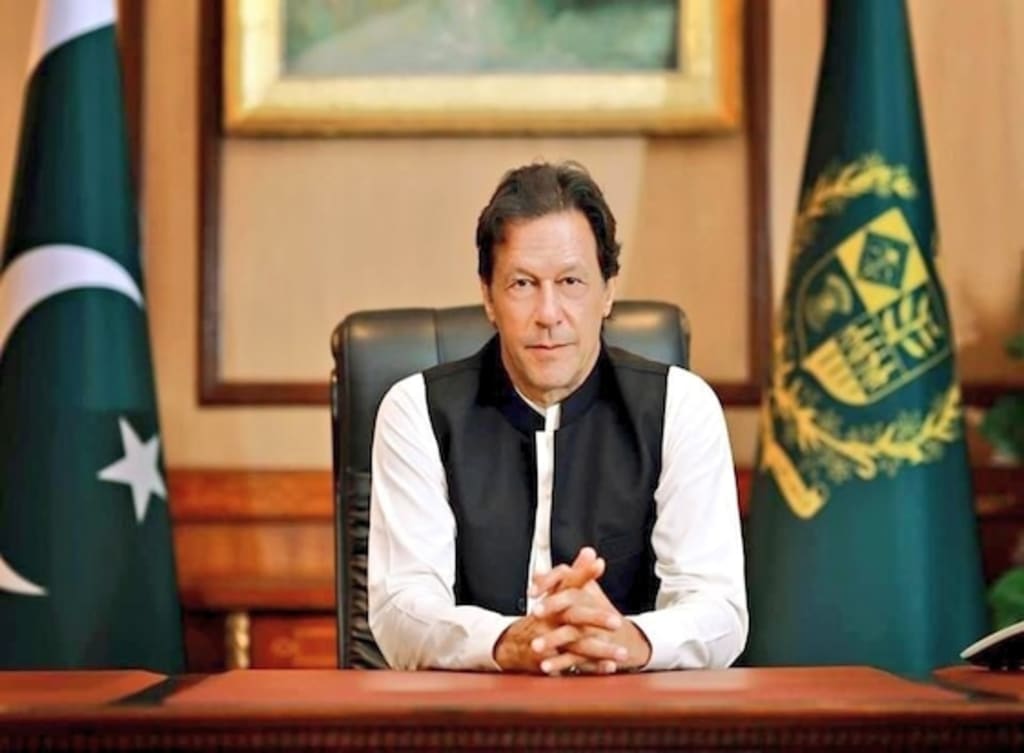
Imran Khan, a name that resonates both in the world of sports and politics, is one of Pakistan’s most influential figures. Born on October 5, 1952, in Lahore, Khan’s journey from an elite cricket captain to a national political leader is a story of determination, charisma, and controversy. Over decades, he has maintained a unique presence in Pakistan’s public life, combining celebrity influence with political ambition.
Cricketing Glory
Before stepping into politics, Imran Khan was a cricketing icon. Representing Pakistan internationally from 1971 to 1992, Khan achieved legendary status, culminating in Pakistan’s historic victory in the 1992 Cricket World Cup. Known for his sharp bowling, aggressive captaincy, and inspirational leadership, he became a symbol of national pride. His cricket career was not just about personal achievements; it reflected Pakistan’s aspirations on the global stage.
Khan’s cricketing career also highlighted his philanthropic side. After retiring from professional cricket, he founded the Shaukat Khanum Memorial Cancer Hospital & Research Centre in 1994, named after his mother, who had died from cancer. The hospital became a leading institution in Pakistan, offering free cancer treatment to those in need, demonstrating Khan’s commitment to social welfare beyond his sporting achievements.
Political Ascent
Imran Khan’s transition from sports to politics was not instantaneous. In 1996, he founded the Pakistan Tehreek-e-Insaf (PTI), a political party promising justice, accountability, and anti-corruption reforms. Initially, PTI struggled to gain significant political traction, as Pakistan’s political landscape was dominated by long-standing parties like the Pakistan Muslim League-Nawaz (PML-N) and the Pakistan Peoples Party (PPP).
Khan’s political journey, however, showcased his resilience. He focused on grassroots mobilization, leveraging his celebrity status and charisma to attract young voters disillusioned with traditional politics. Over the years, PTI gradually gained popularity, positioning Khan as a credible alternative to entrenched political elites.
Rise to Premiership
The turning point in Khan’s political career came in the 2018 general elections, where PTI emerged as the largest party. Imran Khan became the 22nd Prime Minister of Pakistan, marking a significant milestone in his multifaceted career. His government promised reforms in governance, education, health, and anti-corruption measures. Khan emphasized accountability and economic revival, especially focusing on initiatives like the Ehsaas Program, a social safety net aimed at alleviating poverty.
Despite these efforts, his tenure was not without challenges. Pakistan faced severe economic difficulties, political opposition, and growing tensions with international allies. Khan’s government struggled with inflation, unemployment, and criticism over its handling of key issues, which fueled debates about his leadership style and effectiveness.
Controversy and Resilience
Imran Khan’s career has been punctuated by controversy. From accusations of political favoritism to conflicts with military and judicial institutions, his tenure exemplifies the turbulent nature of Pakistani politics. Yet, Khan’s resilience has remained a defining trait. Even after being ousted from office through a no-confidence motion in 2022, he maintained significant public support and continues to be an influential voice in national discourse.
His charisma, rooted in both his sports legacy and political persona, allows him to mobilize large crowds and sustain a devoted following. Khan’s ability to blend populism with policy discourse has made him a polarizing yet compelling figure in Pakistan.
Legacy and Influence
Imran Khan’s impact extends beyond politics and cricket. He embodies a unique narrative of public life in Pakistan—a story of ambition, fame, and the pursuit of national change. His philanthropic efforts, especially in healthcare and education, continue to inspire many. Politically, he has redefined the possibilities for outsider leaders in Pakistan, challenging traditional political hierarchies.
While opinions about his leadership vary, there is no denying that Khan’s influence on Pakistan’s socio-political landscape is profound. Whether celebrated for his cricketing feats or scrutinized for his political choices, Imran Khan remains a central figure in the country’s modern history.
In conclusion, Imran Khan’s life is a testament to ambition and perseverance. From cricket fields to the corridors of power, he has shaped Pakistan in multiple ways, leaving an indelible mark on sports, philanthropy, and politics. His journey reflects both the challenges and opportunities of leadership in a nation grappling with complex social and economic realities.
About the Creator
Asad Ali
I'm Asad Ali, a passionate blogger with 3 years of experience creating engaging and informative content across various niches. I specialize in crafting SEO-friendly articles that drive traffic and deliver value to readers.
ECC Approves Over Rs. 7 Billion Funds for Armed Forces: What It Means for National Security and the Economy
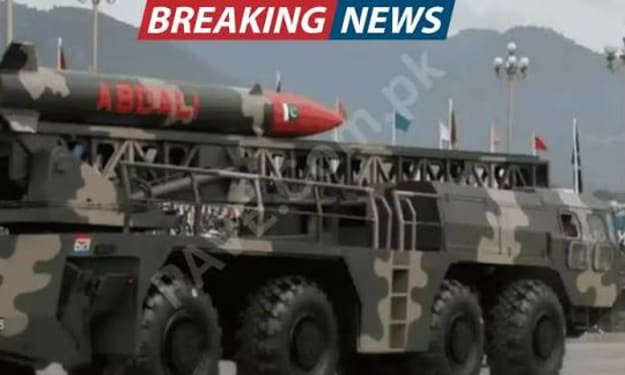
Pakistan’s Economic Coordination Committee (ECC) has approved over Rs. 7 billion in additional funds for the armed forces, a move that underscores the government’s continued focus on national security amid evolving regional and internal challenges. While defense spending often sparks debate, this latest approval reflects broader realities related to preparedness, modernization, and the economic pressures faced by security institutions in a changing geopolitical environment. Understanding the ECC’s Role The Economic Coordination Committee, a key body within Pakistan’s federal government, is responsible for approving major financial decisions, particularly those that fall outside the scope of the annual budget. ECC approvals typically address urgent or unforeseen expenditures, making this allocation especially significant. According to official briefings, the newly approved funds are meant to cover operational requirements, logistical needs, and critical expenditures faced by the armed forces. These allocations are not unusual, particularly in times when inflation, currency depreciation, and rising global costs increase the financial burden on state institutions. Why Additional Funding Was Needed Several factors contributed to the need for this supplementary funding: Rising operational costs due to inflation and higher fuel prices Maintenance and logistics expenses for equipment and infrastructure Border security and counterterrorism operations, which require sustained financial support Welfare and allowances for military personnel affected by economic pressures Defense analysts note that while Pakistan’s defense budget is allocated annually, economic volatility often creates gaps that must be filled through ECC intervention to avoid disruptions in critical operations. Regional Security Environment The approval comes at a time when regional security dynamics remain complex. Tensions in South Asia, instability in neighboring regions, and global conflicts have reshaped military planning worldwide. For Pakistan, maintaining readiness across land, air, and maritime domains remains a strategic priority. Security experts argue that adequate funding is essential not just for combat readiness, but also for intelligence coordination, disaster response, and peacekeeping commitments. Pakistan’s armed forces frequently play a role in humanitarian relief efforts, from flood response to earthquake recovery, which also require financial resources. Economic Concerns and Public Debate Defense spending in Pakistan often raises questions, especially during periods of economic strain. Critics argue that funds should be prioritized for healthcare, education, and social welfare, while supporters counter that national security is a prerequisite for economic stability. Economists emphasize that ECC approvals do not necessarily mean a permanent increase in defense spending. Instead, they often serve as short-term financial adjustments to ensure continuity. Transparency in how these funds are utilized will be key in maintaining public trust. Impact on Civil-Military Balance The ECC’s decision also reflects the institutional relationship between civilian leadership and the military. Budgetary approvals through civilian forums reinforce constitutional processes and demonstrate oversight mechanisms at work. Observers note that such approvals, when handled transparently, can strengthen democratic governance by ensuring that defense needs are met within a structured financial framework, rather than through ad-hoc arrangements. Broader Implications Beyond immediate military needs, the funding decision has broader implications: Defense preparedness may enhance deterrence and stability Local defense industries could benefit if funds support procurement or maintenance International partners and lenders will watch closely, as defense spending often factors into economic assessments Balancing defense requirements with fiscal responsibility remains a delicate task, especially as Pakistan navigates IMF commitments and economic reforms. Looking Ahead The approval of over Rs. 7 billion for the armed forces highlights the constant balancing act between security and economic management. As Pakistan moves forward, policymakers will face continued pressure to justify defense-related expenditures while addressing public concerns over inflation, employment, and development. For now, the ECC’s decision signals that the government views security readiness as non-negotiable, even in challenging economic times. The real test will lie in how effectively these funds are utilized and whether long-term planning can reduce the need for repeated supplementary approvals.
By Fiaz Ahmed Brohi5 days ago in The Swamp



Comments
There are no comments for this story
Be the first to respond and start the conversation.