
ECC Approves Over Rs. 7 Billion Funds for Armed Forces: What It Means for National Security and the Economy
"Boosting Defense Capabilities Amid Economic Considerations: A Closer Look at Pakistan’s Latest Military Funding Decision"

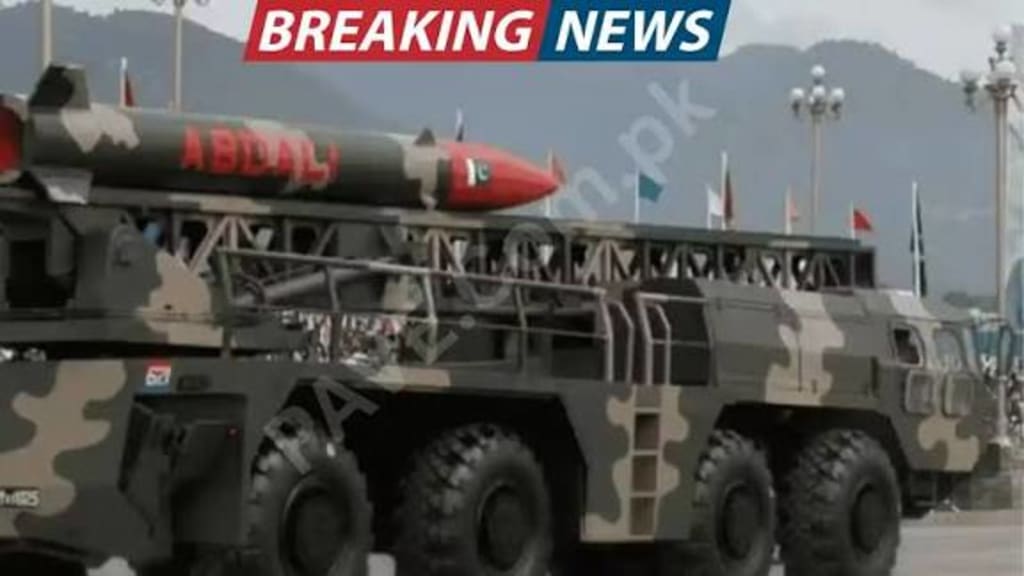
Pakistan’s Economic Coordination Committee (ECC) has approved over Rs. 7 billion in additional funds for the armed forces, a move that underscores the government’s continued focus on national security amid evolving regional and internal challenges. While defense spending often sparks debate, this latest approval reflects broader realities related to preparedness, modernization, and the economic pressures faced by security institutions in a changing geopolitical environment.
Understanding the ECC’s Role
The Economic Coordination Committee, a key body within Pakistan’s federal government, is responsible for approving major financial decisions, particularly those that fall outside the scope of the annual budget. ECC approvals typically address urgent or unforeseen expenditures, making this allocation especially significant.
According to official briefings, the newly approved funds are meant to cover operational requirements, logistical needs, and critical expenditures faced by the armed forces. These allocations are not unusual, particularly in times when inflation, currency depreciation, and rising global costs increase the financial burden on state institutions.
Why Additional Funding Was Needed
Several factors contributed to the need for this supplementary funding:
Rising operational costs due to inflation and higher fuel prices
Maintenance and logistics expenses for equipment and infrastructure
Border security and counterterrorism operations, which require sustained financial support
Welfare and allowances for military personnel affected by economic pressures
Defense analysts note that while Pakistan’s defense budget is allocated annually, economic volatility often creates gaps that must be filled through ECC intervention to avoid disruptions in critical operations.
Regional Security Environment
The approval comes at a time when regional security dynamics remain complex. Tensions in South Asia, instability in neighboring regions, and global conflicts have reshaped military planning worldwide. For Pakistan, maintaining readiness across land, air, and maritime domains remains a strategic priority.
Security experts argue that adequate funding is essential not just for combat readiness, but also for intelligence coordination, disaster response, and peacekeeping commitments. Pakistan’s armed forces frequently play a role in humanitarian relief efforts, from flood response to earthquake recovery, which also require financial resources.
Economic Concerns and Public Debate
Defense spending in Pakistan often raises questions, especially during periods of economic strain. Critics argue that funds should be prioritized for healthcare, education, and social welfare, while supporters counter that national security is a prerequisite for economic stability.
Economists emphasize that ECC approvals do not necessarily mean a permanent increase in defense spending. Instead, they often serve as short-term financial adjustments to ensure continuity. Transparency in how these funds are utilized will be key in maintaining public trust.
Impact on Civil-Military Balance
The ECC’s decision also reflects the institutional relationship between civilian leadership and the military. Budgetary approvals through civilian forums reinforce constitutional processes and demonstrate oversight mechanisms at work.
Observers note that such approvals, when handled transparently, can strengthen democratic governance by ensuring that defense needs are met within a structured financial framework, rather than through ad-hoc arrangements.
Broader Implications
Beyond immediate military needs, the funding decision has broader implications:
Defense preparedness may enhance deterrence and stability
Local defense industries could benefit if funds support procurement or maintenance
International partners and lenders will watch closely, as defense spending often factors into economic assessments
Balancing defense requirements with fiscal responsibility remains a delicate task, especially as Pakistan navigates IMF commitments and economic reforms.
Looking Ahead
The approval of over Rs. 7 billion for the armed forces highlights the constant balancing act between security and economic management. As Pakistan moves forward, policymakers will face continued pressure to justify defense-related expenditures while addressing public concerns over inflation, employment, and development.
For now, the ECC’s decision signals that the government views security readiness as non-negotiable, even in challenging economic times. The real test will lie in how effectively these funds are utilized and whether long-term planning can reduce the need for repeated supplementary approvals.
About the Creator
Fiaz Ahmed Brohi
I am a passionate writer with a love for exploring and creating content on trending topics. Always curious, always sharing stories that engage and inspire.
Keep reading
More stories from Fiaz Ahmed Brohi and writers in The Swamp and other communities.
An Isolated Iran Finds China’s Friendship Has Limits
When strategic alliances are tested amid sanctions, unrest, and shifting global priorities For decades, Iran has positioned itself as a key geopolitical player in West Asia, often standing at odds with the United States and Western powers. Over that time, China has emerged as Tehran’s most important ally — economically, diplomatically, and rhetorically. Yet, as Iran faces widespread protests, economic collapse, and mounting external pressure, its relationship with Beijing is revealing cracks. What Iran once saw as a dependable lifeline is increasingly perceived as limited and transactional, with Beijing’s restraint reshaping Tehran’s strategic calculus. �
By Fiaz Ahmed Brohi5 days ago in The Swamp


Comments
There are no comments for this story
Be the first to respond and start the conversation.