
Stable Genius? How a Defective ‘Crying Horse’ Toy Went Viral in China
From Factory Flaw to Internet Fame: The Story Behind the Viral Phenomenon
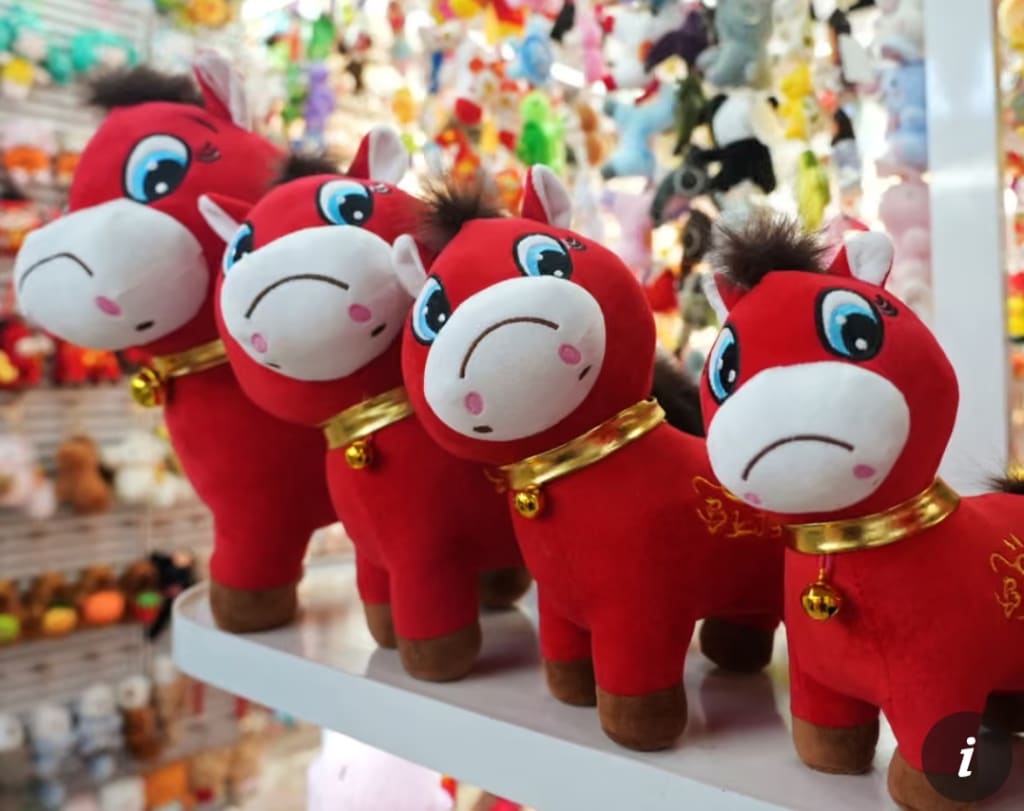
In the fast-moving world of Chinese social media, even the smallest anomaly can capture the public’s imagination. A defective toy, intended to be a simple collectible, recently became a viral sensation in China: the “crying horse”, a plastic figurine whose exaggerated weeping expression sparked laughter, memes, and widespread online discussion.
The toy’s sudden fame raises questions about consumer culture, the unpredictable nature of virality, and the ways in which social media can transform even minor manufacturing errors into global phenomena.
The Birth of the Crying Horse
The toy was manufactured as part of a line of cute animal figurines marketed to children and collectors. The original design featured a cheerful, stoic horse—perfectly standard by most standards.
However, a manufacturing defect caused the horse’s face to adopt a comically tragic expression, with exaggerated tears streaming down its cheeks. Instead of recalling the defective units, the company released them into the market, and social media users immediately noticed the unusual design.
By midweek, photos of the crying horse were circulating across WeChat, Weibo, and Douyin (TikTok’s Chinese counterpart), accompanied by humorous captions likening the toy to everything from a student facing exams to adults navigating the stress of daily life.
Why the Toy Went Viral
Several factors contributed to the toy’s viral success:
Relatability: The crying horse’s exaggerated sadness mirrored common feelings of frustration, stress, or mild despair, resonating with urban millennials and Gen Z audiences.
Meme Potential: The toy’s expressive face made it perfect for meme creation, with users overlaying text to depict personal or societal struggles.
Humor in Defectiveness: The human tendency to find humor in imperfection made the crying horse a natural hit, emphasizing how flawed products can sometimes gain cultural value.
Social Media Amplification: Influencers and online communities quickly picked up the toy, using it to create short videos, reaction gifs, and humorous posts, amplifying its reach beyond China.
The Role of Consumer Culture
The crying horse also reflects larger trends in Chinese consumer culture. Social media platforms have become key spaces for:
Sharing unusual purchases or novelty items
Participating in communal humor and viral trends
Turning consumer goods into cultural symbols
Products that might otherwise be dismissed gain attention if they offer unique visual appeal or social media-friendly quirks. In this sense, the crying horse represents a growing intersection of commerce, entertainment, and digital culture.
Brands Responding to Virality
The toy’s manufacturer, initially unaware of the defect’s appeal, soon recognized the marketing potential. Some companies have embraced similar incidents, producing limited-edition runs of the defective item or designing toys that intentionally replicate viral flaws.
This strategy aligns with broader trends in consumer engagement:
Scarcity marketing: Limited supply creates hype and encourages purchases
Memetic branding: Products become part of online culture, generating free publicity
Emotional connection: Consumers are more likely to buy items they associate with humor or nostalgia
For the crying horse, the line between mistake and deliberate design blurred, illustrating how virality can shape production decisions.
Online Humor and Social Commentary
The crying horse became more than just a funny toy—it served as a vehicle for social commentary. Users employed the horse to reflect on:
Workplace stress and burnout
Student pressures and exam anxiety
Everyday frustrations in urban life
In doing so, the toy transcended its physical form, becoming a symbol of collective emotional experience. Memes featuring the crying horse proliferated across forums, blogs, and video platforms, often paired with captions that conveyed shared sentiment with comedic exaggeration.
Global Implications
Although the crying horse trend is firmly rooted in China, it reflects a global pattern: small consumer goods can become international talking points when amplified by social media. Comparisons can be drawn to:
Japanese collectible toys that achieve cult status due to unique designs
Western novelty items that gain fame as “internet sensations”
Digital culture turning everyday objects into meme templates
This demonstrates the power of social media in shaping consumer perception, where imperfection and humor are key ingredients for virality.
Lessons for Manufacturers
The crying horse offers important lessons for toy makers and brands:
Monitor social media feedback closely: Online reactions can turn minor defects into marketing opportunities.
Embrace imperfection: Not all product flaws are negative; some can resonate with audiences in unexpected ways.
Engage audiences creatively: Limited releases, interactive campaigns, and meme-inspired products can boost brand recognition.
Cultural sensitivity: Viral products often thrive because they tap into shared societal feelings, humor, or experiences.
Conclusion: From Defect to Cultural Icon
The crying horse exemplifies how modern consumer culture intersects with humor, relatability, and social media. What began as a simple manufacturing defect became a symbol of shared frustration, amusement, and creativity among millions of internet users.
In the world of viral products, perfection is not always necessary. Sometimes, a little imperfection—an oddly weeping horse—can capture the hearts, laughter, and imagination of an entire generation.
As social media continues to shape trends, the crying horse serves as a reminder: in a digital age, even flawed toys can achieve genius-level fame.
About the Creator
Keep reading
More stories from Aarif Lashari and writers in The Swamp and other communities.
We Must Not Ban the Guga Hunt
The guga hunt, a centuries-old tradition carried out in the remote regions of Scotland’s Shetland Islands, has become a focal point of debate in recent years. Environmental groups, animal rights activists, and policymakers have called for stricter regulations—or even a total ban—citing concerns about wildlife conservation and ethical treatment. Yet supporters argue that banning the hunt would not only destroy a cultural cornerstone but also undermine sustainable practices that have been refined over generations.
By Aarif Lashariabout 24 hours ago in The Swamp
France Seizes Suspected Russian “Shadow Fleet” Tanker in Major Mediterranean Operation
In a bold and highly strategic maritime operation, the French Navy has seized an oil tanker suspected to be part of Russia’s so-called “shadow fleet” as it traversed the Western Mediterranean Sea between Spain and Morocco. The operation — confirmed by French authorities on January 22, 2026 — reflects an escalating effort by Western nations to enforce sanctions on Russia and disrupt covert oil exports used to help finance Moscow’s war against Ukraine. �
By Ayesha Lashari6 days ago in The Swamp




Comments
There are no comments for this story
Be the first to respond and start the conversation.