
iPhone: Innovation, Influence, and the Future of a Digital Icon
How Apple’s Flagship Device Changed the World—and What Comes Next
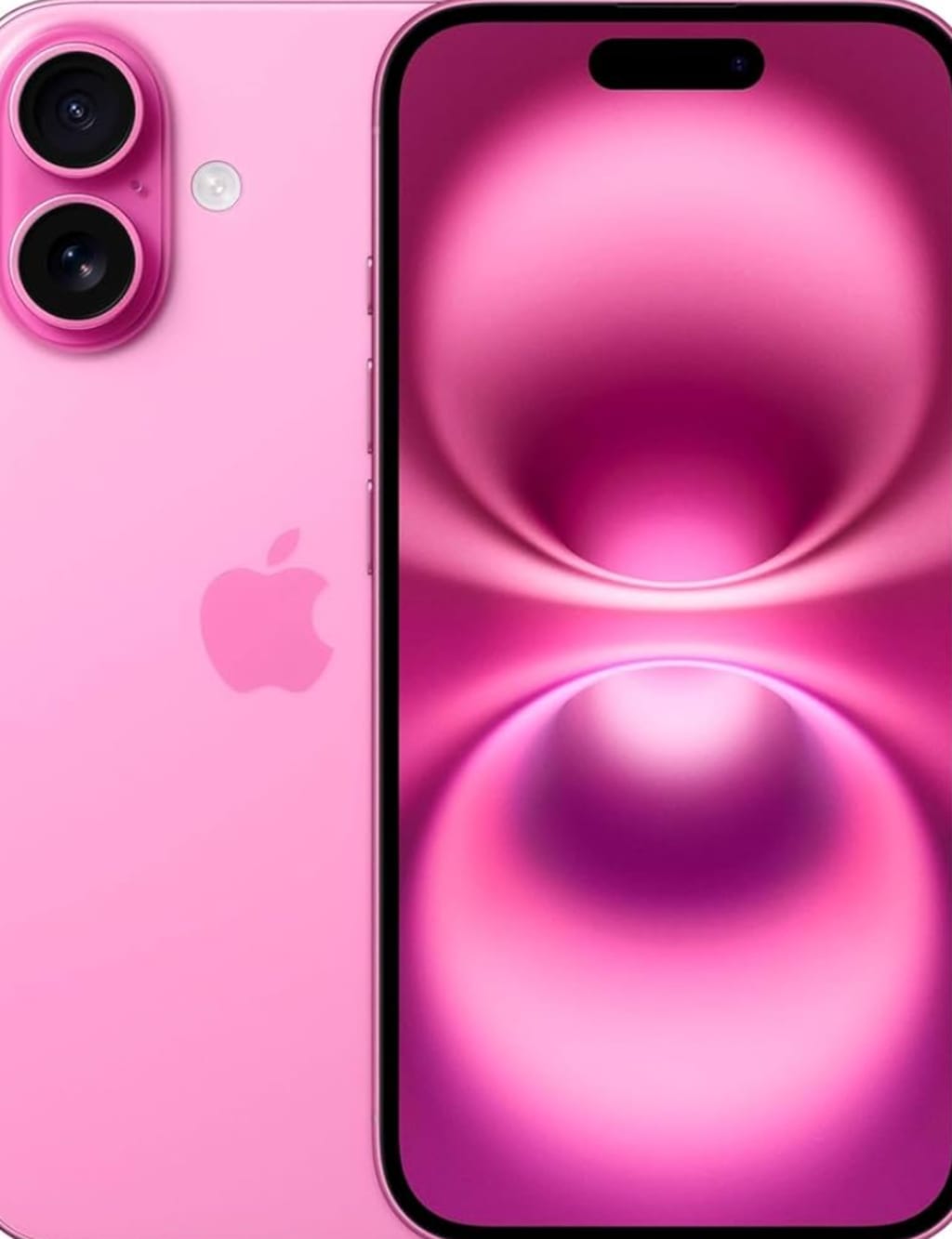
When the first iPhone was introduced by Steve Jobs in 2007, few could predict how dramatically it would reshape modern life. What began as a sleek touchscreen phone evolved into a global symbol of innovation, creativity, and digital culture. Today, the iPhone is more than just a device—it is a lifestyle tool, a business platform, and a gateway to the digital world.
This article explores how the iPhone revolutionized technology, influenced society, and continues to define the future of smartphones.
The Birth of a Revolution
Before the iPhone, mobile phones had physical keyboards, small screens, and limited internet capabilities. The launch event in 2007 marked a turning point. Steve Jobs famously described the device as “an iPod, a phone, and an internet communicator.” It wasn’t just marketing—it was a transformation.
The original iPhone introduced a multi-touch display, eliminating the need for physical buttons. This simple yet bold move changed how humans interact with technology. Suddenly, tapping, swiping, and pinching became universal gestures understood across the globe.
Behind this breakthrough was Apple Inc., a company already known for its computers and music players. But with the iPhone, Apple stepped into a new era—one where smartphones became essential everyday tools.
Design That Defines a Generation
One of the most powerful aspects of the iPhone is its design philosophy. Apple focused on minimalism, elegance, and user experience. Each new model refined the previous one, improving screen quality, camera systems, and performance.
From the iPhone 4’s glass design to the edge-to-edge display of modern versions, Apple consistently raised the industry standard. Competitors often followed its lead, adopting similar designs and features.
The camera system deserves special mention. The iPhone helped turn everyday users into photographers and content creators. Social media platforms flourished partly because smartphone cameras became powerful enough to capture professional-level photos and videos.
The App Store: A Digital Economy
In 2008, Apple introduced the App Store, changing everything again. Suddenly, developers around the world could create applications for millions of users. Games, productivity tools, social media apps, and streaming services exploded in popularity.
The App Store didn’t just add features—it created an entire economy. Entrepreneurs built startups around mobile apps. Businesses optimized services for mobile platforms. Even education shifted toward mobile learning tools.
The iPhone became more than hardware—it became a platform.
Security and Privacy
Apple positioned the iPhone as a privacy-focused device. Features like Face ID, encrypted messaging, and app tracking transparency aimed to give users more control over their data.
In a world increasingly concerned about digital security, these measures strengthened Apple’s brand image. While debates about privacy continue globally, Apple’s approach set a benchmark that other companies had to respond to.
Cultural Impact
The iPhone influenced culture in ways few products ever have. It changed communication patterns—texting, FaceTime calls, and instant messaging became normal. It transformed entertainment, making streaming movies and music portable and accessible.
It also reshaped business. Remote work, online banking, digital payments, and mobile shopping became mainstream because smartphones made them convenient.
Even language changed. Words like “selfie,” “app,” and “AirDrop” entered daily conversation.
Environmental Responsibility
In recent years, Apple has emphasized sustainability. The company has removed chargers from boxes, reduced plastic packaging, and increased the use of recycled materials.
While critics debate the effectiveness of some policies, Apple’s environmental strategy reflects a broader industry shift toward responsible production.
The Future of iPhone
What comes next?
The smartphone market is highly competitive, but Apple continues to innovate. Future iPhones are expected to focus on artificial intelligence, augmented reality, and improved battery life. Integration with other Apple products—like the Apple Watch and Mac—creates a powerful ecosystem that keeps users connected.
As technology evolves, the iPhone may become even more central to daily life, possibly acting as a hub for smart homes, digital identity, and health monitoring.
Conclusion
Nearly two decades after its launch, the iPhone remains one of the most influential devices ever created. It redefined communication, business, entertainment, and creativity. More importantly, it demonstrated how powerful design combined with visionary thinking can change the world.
From a revolutionary product announcement in 2007 to a global digital ecosystem today, the iPhone’s journey reflects the rapid evolution of modern technology. As innovation continues, one thing remains clear: the iPhone is not just a phone—it is a symbol of how technology shapes our future.
About the Creator
Why Black History Matters in America?
The United States of America is celebrating their 250th anniversary in 2026. I'm proud to be an American and as someone who was born here, I wouldn't imagine myself living anywhere else. This is a country where opportunities are possible. Where anyone can be successful in anything they desire to do. Equality, community, and togetherness are the backbones of what America is and should be about. However, we have an administration who wants to erase and disregard those who have made positive, meaningful impacts in our country, specifically Black figures, such as Martin Luther King, Jr., Rosa Parks, and Maya Angelou. President Trump and his administration have been constantly complaining and fighting against what they call the "Woke agenda". They use this excuse as a distraction from other issues they refuse to address, such as the high cost of living, climate change, and inflation. That equality is dividing America, when in reality, it's bringing us together. Being woke is not tied to a specific political party. No matter where you stand on the political spectrum, you can still care about other people and their plights. Compassion and empathy for others isn't tied to a political party, either. We were taught as children to treat others the way we want to be treated and not judge others because they're different from us. Caring about others isn't a personal attack on your beliefs. It doesn't make you any less of a person. People who are easily offended over African American figures, past or present, or anything related to it, are grasping at straws. Current and future generations need to know who people like Harriet Tubman and Shirley Chisholm were, especially in the classroom. Black History is part of American History. It should be recognized, not hidden or forgotten. Besides, you can't shield children from everything, just because your feelings are easily hurt.
By Mark Wesley Pritchard 18 days ago in The Swamp
Coco Gauff: ‘I Don’t Think People Should Be Dying in the Streets Just for Existing
American tennis star Coco Gauff has spoken out forcefully about social justice, saying she feels a responsibility to use her platform to address violence and inequality, even when doing so risks criticism. In a candid interview following her recent tournament appearance, the 20-year-old athlete reflected on the intersection of sport, activism, and personal identity, stressing that silence is no longer an option when lives are at stake. “I don’t think people should be dying in the streets just for existing,” Gauff said, underscoring her belief that athletes cannot remain detached from the realities shaping their communities. Her comments come amid renewed global debate over racial justice, policing, and the role of public figures in advocating for change. A Voice Beyond the Court Gauff has long been recognized not only for her rapid rise in tennis but also for her willingness to speak about social issues. From addressing crowds at protests to using press conferences as platforms for awareness, she has consistently argued that being an athlete does not mean being apolitical. She explained that her experiences growing up in the United States shaped her views, particularly witnessing protests and conversations about racial inequality during her teenage years. “I’m young, but I’ve seen enough to know that this isn’t something you can just ignore,” she said. “If I have a voice and people are listening, then I feel like it’s wrong not to say something.” Balancing Pressure and Purpose Gauff acknowledged that activism brings added pressure to an already demanding career. Professional tennis requires relentless focus, intense travel schedules, and constant scrutiny. Adding social commentary to that mix can invite backlash from fans who believe athletes should “stick to sports.” Yet she rejects that notion. “Tennis is what I do, but it’s not all that I am,” she said. “I care about people. I care about fairness. Those things don’t disappear when I step on the court.” She also emphasized that her advocacy is not about attacking institutions or individuals but about urging compassion and accountability. According to Gauff, the goal is to humanize conversations that often become polarized and political. “This is about basic human rights,” she noted. “It shouldn’t be controversial to say people deserve to live safely.” A Generation of Athlete-Activists Gauff’s stance reflects a broader trend among younger athletes who are increasingly vocal about social issues. Unlike previous generations that often avoided public political statements, today’s stars view activism as part of their public responsibility. Sports analysts suggest that social media has played a key role in this shift, allowing athletes to speak directly to millions without relying solely on traditional media outlets. For Gauff, that visibility carries weight. “When you have that reach, you can’t pretend it doesn’t matter,” she said. She has also credited her family for encouraging thoughtful engagement rather than impulsive reactions. “They taught me to learn, to listen, and to speak when I feel something is wrong,” she explained. Reaction from the Tennis World Within the tennis community, reactions have been mixed. Many fans and fellow players praised her courage and maturity, calling her a role model for young athletes. Others argued that sports should remain neutral spaces free from political discussion. Tournament officials have so far avoided taking positions on her comments, maintaining that players are free to express personal views as long as they do not disrupt competition. Sponsors, too, have largely stayed silent, reflecting the delicate balance between commercial interests and individual expression. Looking Ahead Gauff says she does not plan to retreat from speaking out, even as her career continues to accelerate. She believes that success on the court and responsibility off it can coexist. “I want to win Grand Slams, but I also want to be someone who stands for something,” she said. As she prepares for upcoming tournaments, Gauff remains focused on her training while staying engaged with issues beyond tennis. Her message, she insists, is simple and universal: dignity and safety should not depend on race, background, or circumstance. “I’m just saying what I think is right,” she concluded. “People shouldn’t be dying in the streets just for existing.”
By Fiaz Ahmed 3 days ago in The Swamp




Comments
There are no comments for this story
Be the first to respond and start the conversation.