
I Mocked the Saudi Leader on YouTube — Then My Phone Was Hacked and I Was Beaten in London
A chilling account that raises urgent questions about digital surveillance, transnational repression, and free speech
Introduction
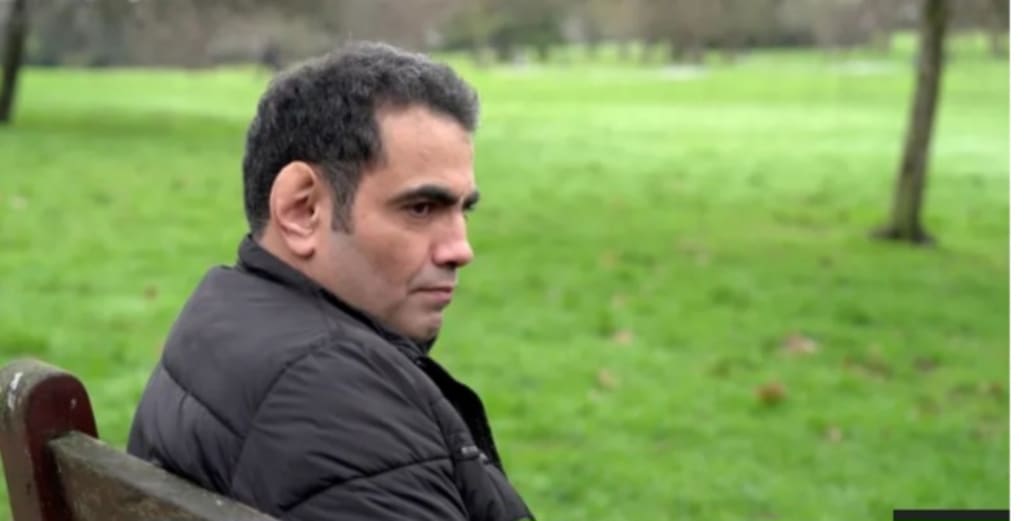
What begins as satire on YouTube can sometimes end in fear on the streets. For one political commentator living in London, mocking Saudi Arabia’s powerful leadership online allegedly triggered a disturbing chain of events: a hacked phone, escalating intimidation, and a violent physical assault.
The claim, now circulating widely, has reignited concerns about transnational repression — the idea that governments or their supporters reach beyond borders to silence critics abroad. Whether every detail can be legally proven or not, the case highlights a growing reality faced by dissidents, activists, and outspoken voices in the digital age.
This is not just one person’s story. It is a warning.
From Online Satire to Real-World Fear
The individual at the center of this account built a modest following on YouTube by producing political commentary and satire critical of Saudi leadership. His videos, often humorous but pointed, challenged official narratives and questioned authority — content that thrives in democratic societies but can provoke hostility elsewhere.
At first, the backlash was predictable: online abuse, hostile messages, and warnings to “stay silent.” But according to the victim, the harassment soon escalated beyond digital threats.
He claims his mobile phone was compromised, with messages accessed, private conversations leaked, and unusual behavior suggesting sophisticated spyware. For critics of authoritarian regimes, this pattern is chillingly familiar.
The Alleged Hacking
Cybersecurity experts have long warned that activists and journalists critical of powerful states are frequent targets of phone hacking and digital surveillance. Advanced spyware can turn a smartphone into a tracking and listening device without the user ever clicking a link.
In this case, the YouTuber says the hacking was not random. It followed a clear timeline:
Critical videos were uploaded
Warnings and intimidation increased
Phone activity became abnormal
Personal movements appeared to be monitored
While technical verification is complex, similar tactics have been documented in past cases involving dissidents living in Europe.
The Assault in London
The situation allegedly reached its most frightening point when the man was physically attacked on the streets of London. According to his account, he was beaten by unknown assailants in an incident he believes was connected to his online criticism.
The attack, he says, was not a robbery. Nothing was taken. The message, instead, was intimidation.
London — a city known as a haven for political exiles — has increasingly become the backdrop for such disturbing allegations. Critics argue that this represents a dangerous erosion of safety for those who rely on Western democracies for protection.
Transnational Repression: A Growing Threat
Human rights organizations use the term transnational repression to describe efforts by states to silence critics beyond their borders through:
Surveillance
Threats to family members
Harassment
Kidnapping or assault
Digital intimidation
These tactics allow governments to export fear, even when critics live thousands of miles away.
Cases involving journalists, activists, and online commentators from multiple countries suggest this is not an isolated phenomenon — but part of a broader global pattern.
Why Online Speech Is No Longer “Just Online”
The internet once promised freedom — a borderless space for expression. But that promise has been complicated by surveillance technologies and geopolitical power.
For content creators who criticize influential leaders, especially those with vast resources, the line between online speech and real-world consequences has blurred. A YouTube channel can now attract attention not just from viewers, but from intelligence services, private contractors, or loyalist networks.
This reality forces a difficult question: How free is free speech when criticism follows you offline?
The Role of Host Countries
The alleged attack also raises concerns about the responsibility of host countries like the United Kingdom. If individuals living legally within democratic states can be targeted for political expression, what protections truly exist?
Law enforcement agencies face challenges:
Proving foreign involvement
Tracing digital attacks
Balancing diplomacy with accountability
Yet critics argue that failure to act decisively sends a dangerous signal — that intimidation works.
Fear, Self-Censorship, and Silence
Perhaps the most lasting impact of such incidents is psychological. The victim reportedly described feeling constantly watched, unsure whom to trust, and fearful of further violence.
This fear often leads to self-censorship. When one voice is silenced, others take notice.
That is precisely why these cases matter — even when they involve a single YouTuber rather than a major media organization.
A Broader Warning
Whether courts ultimately confirm every allegation or not, the pattern described fits a troubling global trend. Authoritarian influence no longer stops at borders, and digital tools have made intimidation easier, quieter, and harder to trace.
Mocking a powerful leader should not carry a physical cost. Satire should not require bodyguards. Criticism should not trigger surveillance.
Conclusion
The story of a YouTuber who mocked a Saudi leader and then faced hacking and violence in London is deeply unsettling. It underscores how fragile freedom of expression can be when power, technology, and fear intersect.
This is not just about one individual or one country. It is about whether democratic societies can truly protect dissent — or whether silence is slowly being enforced beyond borders.
The internet gave people a voice. The challenge now is ensuring that voice does not come at the price of safety.
Key Takeaways
A YouTuber claims he was hacked and assaulted after mocking Saudi leadership
The case reflects wider fears of transnational repression
Digital surveillance can translate into real-world harm
Democratic countries face growing pressure to protect exiled critics
Free speech increasingly carries personal risk
About the Creator
Keep reading
More stories from Ayesha Lashari and writers in The Swamp and other communities.
“A Vaccine Against Murder?” Israel Divided Over the Return of the Death Penalty
Introduction “A vaccine against murder.” That is how some Israeli politicians and supporters describe the death penalty — a punishment they believe could deter terrorism and violent crime. Others see it very differently: as an irreversible, morally dangerous step that contradicts democratic values and risks deepening division in an already fractured society.
By Ayesha Lasharia day ago in The Swamp
Geopolitics in the Age of Artificial Intelligence
How algorithms, data power, and digital dominance are reshaping global rivalry, security, and diplomacy Artificial intelligence (AI) is no longer just a technological breakthrough—it has become a central force reshaping global geopolitics. From military planning and cyber warfare to economic competition and diplomatic influence, AI is redefining how states project power and protect national interests. As nations race to develop and control advanced AI systems, the balance of global power is increasingly being determined not only by territory or military strength, but by data, computing power, and technological innovation.
By Salaar Jamali5 days ago in The Swamp



Comments
There are no comments for this story
Be the first to respond and start the conversation.