
How Will the Finished 2-Line Impact Daily Commutes Across Lake Washington?
The completion of the 2-Line transit project promises to transform travel across Lake Washington, easing congestion, saving time, and reshaping the daily commute for thousands.

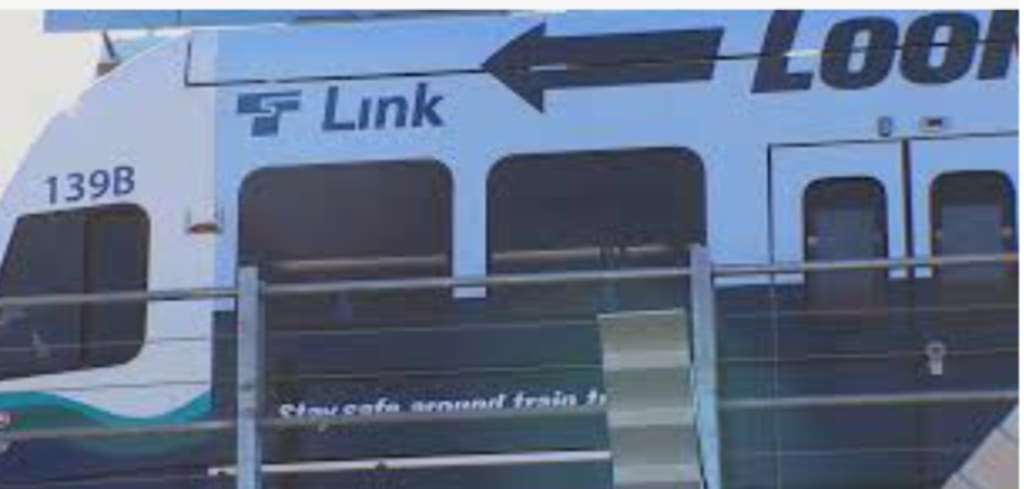
After years of planning, construction, and anticipation, the 2-Line transit project across Lake Washington is nearing completion. Once operational, the line is expected to dramatically change how commuters, students, and travelers navigate the region, connecting key neighborhoods and business districts while reducing reliance on cars. But how exactly will it impact daily commutes, and what can riders expect?
A Long-Awaited Solution for Lake Washington Traffic
For decades, commuters traveling between Seattle, Bellevue, and surrounding Eastside communities have struggled with traffic congestion on bridges and highways spanning Lake Washington. Rush-hour backups, unpredictable travel times, and high stress levels have become the norm for drivers.
The 2-Line aims to alleviate these issues by providing a high-capacity, rapid transit alternative that bypasses congested roads. With multiple stops on either side of the lake, the line will connect major residential areas with downtown hubs, offering a reliable and consistent commute for thousands of passengers daily.
Transit officials predict that, once fully operational, the 2-Line could remove thousands of cars from the road each day, significantly reducing traffic jams during peak hours and lowering carbon emissions from vehicles idling in gridlock.
Key Features of the 2-Line
The 2-Line is designed with speed, capacity, and convenience in mind. Some of the project’s major features include:
High-frequency trains: Vehicles are scheduled to run every 10 minutes during peak hours, minimizing wait times and crowding.
Multiple stations across the lake: Strategically placed stops ensure commuters can access residential, commercial, and educational districts efficiently.
Integrated connections: The line links with existing transit networks, including buses and light rail, creating seamless transfers for riders traveling across the region.
Modern amenities: Trains and stations are equipped with real-time tracking, accessibility features, and comfort-oriented designs to enhance the passenger experience.
These features are intended to encourage drivers to switch from cars to public transit, reducing traffic on the I-90 and SR-520 bridges that have long been choke points during morning and evening commutes.
How Commuters Will Benefit
For daily travelers, the most immediate benefits of the 2-Line include:
Time savings: By avoiding traffic congestion, the line offers predictable travel times, helping commuters plan their days more effectively.
Reduced stress: Sitting in a train rather than navigating bumper-to-bumper traffic allows passengers to read, work, or relax during their commute.
Cost efficiency: Over time, using public transit can be more affordable than paying for gas, parking, and vehicle maintenance for daily commutes.
Environmental impact: Fewer cars on the road translates into lower emissions, contributing to cleaner air and reduced carbon footprints for the region.
Additionally, the line is expected to increase access to jobs and education, particularly for communities that were previously underserved by reliable transit options. Residents on the Eastside and neighborhoods in Seattle now have faster, more direct routes to major employment centers, educational institutions, and recreational hubs.
Economic and Social Implications
Beyond easing traffic, the 2-Line is poised to have broader economic and social impacts:
Boosting local businesses: Areas near stations may see increased foot traffic, benefiting retail shops, restaurants, and service providers.
Rising property values: Proximity to rapid transit often makes neighborhoods more attractive for homebuyers and renters, potentially leading to increased real estate demand.
Urban development: Cities may plan new residential or commercial projects around stations, encouraging transit-oriented development and more walkable communities.
Equity and access: By improving mobility options, the line could reduce travel disparities, giving more residents affordable and reliable access to key parts of the metropolitan area.
Transit planners hope these ripple effects will reshape how the region grows and functions, encouraging sustainable urban development and reducing dependence on private vehicles.
Challenges and Considerations
While the 2-Line promises many benefits, there are also challenges to consider:
Integration with existing transit: Ensuring smooth transfers between buses, ferries, and other rail lines is critical to maintaining reliability and convenience.
Capacity during peak hours: Initial ridership may exceed expectations, requiring efficient crowd management and potential future expansions.
Cost and funding: Maintaining the line and keeping fares affordable will require sustained investment and oversight from regional authorities.
Behavioral change: Encouraging habitual drivers to switch to public transit can take time, even with a fast, efficient system in place.
Despite these challenges, experts agree that the long-term benefits outweigh short-term hurdles, especially as urban congestion continues to grow.
Looking Ahead
The opening of the 2-Line is expected to transform daily commutes across Lake Washington. For residents and workers in Seattle and Eastside communities, the new transit option offers a faster, cleaner, and less stressful way to travel.
Beyond convenience, the project signals a shift toward sustainable urban mobility, encouraging more people to rely on public transit and less on single-occupancy vehicles. As ridership grows and communities adapt, the 2-Line could become a central part of the region’s transportation landscape, shaping how people live, work, and play around Lake Washington for decades to come.
For commuters ready to make the switch, the line offers more than a ride—it’s a gateway to a more connected, efficient, and sustainable future.
About the Creator
Sajida Sikandar
Hi, I’m Sajida Sikandar, a passionate blogger with 3 years of experience in crafting engaging and insightful content. Join me as I share my thoughts, stories, and ideas on a variety of topics that matter to you.
Keep reading
More stories from Sajida Sikandar and writers in The Swamp and other communities.
Stock Market News, Feb. 2, 2026: Dow Surges Over 500 Points, S&P 500 Nears Record After Strong Manufacturing Data
The U.S. stock market enjoyed a robust session on February 2, 2026, as investors digested a combination of strong economic data, trade optimism, and declining commodity prices. The Dow Jones Industrial Average surged more than 500 points, while the S&P 500 approached record territory, and the Nasdaq also posted solid gains. Meanwhile, oil and gold prices declined, reflecting easing inflation fears and an improved risk appetite among investors.
By Sajida Sikandarabout 18 hours ago in The Swamp
US Dollar Strengthens as Trump Nominates Kevin Warsh as Federal Reserve Chair
A Pivotal Moment for the Fed and the Dollar In a move that has captured global attention, President Donald Trump nominated Kevin Warsh to serve as Chair of the U.S. Federal Reserve. The decision immediately sent ripples through the financial markets, with the U.S. dollar strengthening sharply, treasury yields rising, and investors reassessing their expectations for monetary policy in the coming months. The Fed, the United States’ central bank, plays a critical role in shaping the economy, controlling inflation, and influencing global financial markets. As such, the nomination of a new Fed Chair is more than a political decision—it is a signal to markets, businesses, and international observers about the future direction of U.S. monetary policy. Kevin Warsh, known for his experience during the 2008 financial crisis and his reputation as a market-savvy economist, brings a particular philosophy to the role, which investors believe will influence the dollar and broader markets. Kevin Warsh: Background and Experience Kevin Warsh’s career has been defined by high-stakes financial environments and navigating economic crises. His background includes: Education at Harvard University, where he earned a degree in Economics Early experience in investment banking and financial consulting, providing him insights into market mechanics Senior advisory roles in the Federal Reserve, where he contributed to policy decisions during periods of market volatility Warsh’s professional trajectory has made him well-versed in the mechanics of monetary policy and risk management, positioning him as a credible choice for a Fed Chair during a period of global economic uncertainty. Why Markets Reacted to the Nomination 1. Dollar Strengthening The most immediate market reaction to Warsh’s nomination was a strengthening of the U.S. dollar against major currencies. Analysts attribute this to several factors: Hawkish Expectations: Warsh is perceived as more inclined toward tightening monetary policy, controlling inflation, and maintaining the strength of the dollar Investor Confidence: Markets interpret his experience during previous financial crises as an ability to maintain economic stability, which increases confidence in U.S. assets Interest Rate Anticipation: A stronger dollar typically reflects expectations of higher interest rates relative to other economies The dollar’s movement has implications for imports, exports, and global financial flows. A stronger dollar can reduce import costs for American consumers, but may also pressure emerging market economies and commodity prices. 2. Treasury Yields Rise Alongside the dollar, U.S. Treasury yields climbed, reflecting investor expectations that Warsh may advocate for interest rates that prevent overheating of the economy. Rising yields often: Make borrowing more expensive for corporations and consumers Attract foreign investment into U.S. government bonds Signal market confidence in the Fed’s ability to manage inflation The combination of higher yields and a stronger dollar underscores investor belief in Warsh’s commitment to financial stability. 3. Stocks and Risk Assets Equity markets showed mixed reactions. While some sectors, particularly financials, welcomed the prospect of a more predictable monetary policy, other risk assets, including technology stocks and cryptocurrencies, experienced modest declines. A tighter monetary policy can affect: Growth-sensitive sectors like tech and real estate Non-yielding assets such as gold and silver, which fell in value as investors moved toward interest-bearing assets These movements reflect the complex balance markets strike between stability, growth, and interest rate expectations. Kevin Warsh’s Policy Philosophy Warsh is known for a balanced, data-driven approach, combining market awareness with caution. Analysts highlight key aspects of his likely policy stance: Inflation Control: Warsh has historically emphasized preventing runaway inflation, which could strengthen the dollar and support long-term growth Financial Stability: His experience in crisis management suggests a focus on risk mitigation in banking and markets Measured Decision-Making: Warsh is not expected to make sudden or unpredictable policy moves, which markets typically favor This philosophy explains why traders and investors reacted with a positive sentiment for the dollar, seeing his nomination as a sign of steady and competent economic stewardship. Global Implications of the Nomination The Fed Chair’s decisions impact not only the U.S. economy but also the global financial system: Emerging Markets: Rising U.S. yields and a stronger dollar could pressure debt-servicing costs in countries with dollar-denominated debt Commodity Prices: Metals, oil, and other commodities often react to a stronger dollar, affecting global supply chains International Trade: Exporters may face challenges as their goods become more expensive for U.S. consumers Kevin Warsh’s leadership may therefore reshape international markets depending on his approach to interest rates and monetary policy. Historical Context: Fed Chairs and Market Confidence The Fed Chair’s role is unique because their statements and policy actions directly influence market psychology. For example: Alan Greenspan: Known for his careful guidance during volatile periods, instilled confidence in markets Ben Bernanke: Guided the Fed through the 2008 financial crisis, emphasizing crisis response Janet Yellen: Focused on gradual policy shifts, balancing growth and inflation Warsh, shaped by the 2008 crisis, is expected to combine analytical rigor with market prudence, reassuring investors that the Fed will act responsibly. Why the Dollar Reacted So Quickly Market participants often price in expectations long before policies take effect. Warsh’s nomination likely caused immediate reactions due to: Perceived hawkishness: Investors anticipate tighter monetary policy Crisis credibility: His past experience suggests a capable steward of the economy Market psychology: Traders adjust positions quickly to reflect potential Fed moves The speed of the reaction is typical for high-stakes financial news, where sentiment and perception can move markets faster than policy itself. Potential Risks and Challenges While the nomination has been positively received, there are risks: Global Economic Volatility: Rising rates could slow global growth and impact trade Political Pressures: The Fed must maintain independence, even as political narratives around Warsh’s appointment emerge Market Overreaction: Investors may have priced in too much optimism, risking a correction if policies differ from expectations These risks mean that Warsh will need to balance market expectations with real economic conditions, a delicate task for any Fed Chair. The Road Ahead for Investors Investors and financial planners are advised to: Monitor Treasury yields and dollar movements closely Prepare for potential interest rate adjustments affecting loans, mortgages, and investments Assess the impact on commodities, emerging markets, and equities Follow Warsh’s early speeches and Fed statements for guidance Long-term, Warsh’s tenure may stabilize the U.S. dollar, influence global markets, and reshape investor strategies worldwide. Conclusion: A Critical Juncture for U.S. Monetary Policy Kevin Warsh’s nomination as Federal Reserve Chair is more than a political choice—it is a market-moving event with immediate and far-reaching implications. The dollar’s strength, rising yields, and cautious equity responses reflect a combination of expectation, confidence, and strategic anticipation. As Warsh prepares to take the helm, the world watches closely. His decisions will not only influence domestic growth and inflation but also global financial stability, investor sentiment, and international trade flows. In a period marked by economic uncertainty and market sensitivity, Warsh’s leadership will be a key factor in determining whether markets remain calm or face volatility, making this nomination one of the most consequential for investors in recent years.
By Zahid Hussain5 days ago in The Swamp
Popular Shampoo and Conditioner Recalled Over ‘Serious Chemical Risk’
The Recall Announcement A major consumer goods company has issued a recall of its popular shampoo and conditioner products following reports of potentially harmful chemical contamination. The products were sold across supermarkets, pharmacies, and online retailers, affecting thousands of consumers nationwide.
By Aarif Lashari6 days ago in The Swamp




Comments
There are no comments for this story
Be the first to respond and start the conversation.