
How One of the Driest Countries, Kuwait, Delivers Water to Millions Despite No Rivers or Lakes
How Kuwait Quenches Its Thirst: Desalination, Innovation, and Water Management in a Desert Nation

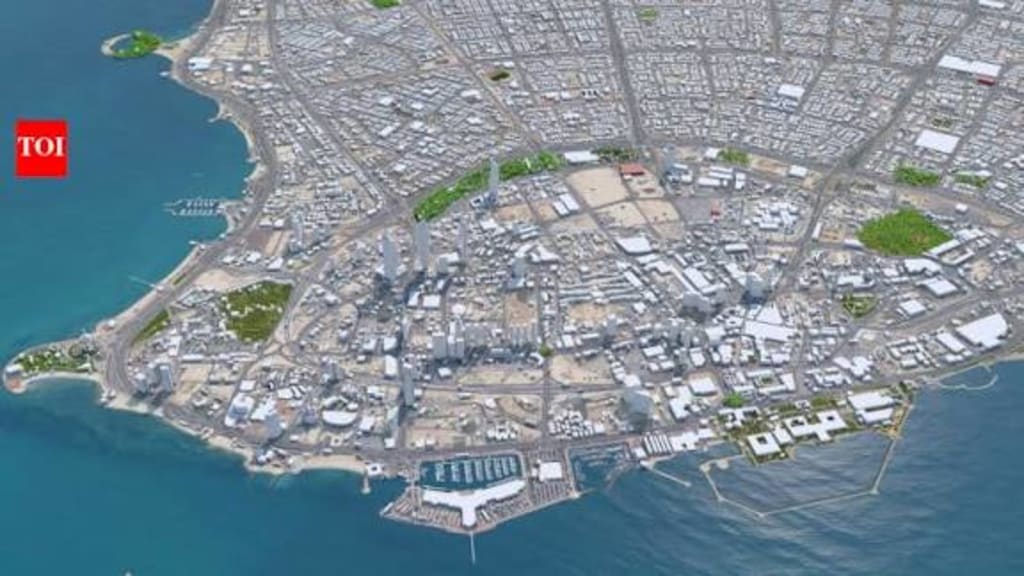
Kuwait, a small nation located on the arid Arabian Peninsula, is one of the world’s driest countries. Rainfall is scarce, averaging just 110 millimeters per year, and the nation has no natural rivers or lakes to draw from. Yet, despite these harsh conditions, Kuwait manages to provide clean, potable water to millions of residents, a feat that combines modern engineering, strategic planning, and innovative technology. How does this desert nation overcome its natural water limitations?
Desalination: Turning Saltwater into Life
At the heart of Kuwait’s water supply strategy lies desalination—the process of removing salt from seawater to make it drinkable. With an extensive coastline along the Persian Gulf, Kuwait leverages this natural advantage. The country operates some of the largest desalination plants in the world, using both multi-stage flash (MSF) and reverse osmosis (RO) technologies.
MSF desalination works by heating seawater under pressure, causing it to evaporate and then condense as fresh water. Reverse osmosis, on the other hand, forces seawater through semi-permeable membranes, removing salts and impurities in the process. Together, these plants produce hundreds of millions of gallons of fresh water daily, enough to meet the needs of households, industries, and agriculture.
Integrated Water and Power Plants
Kuwait has embraced a unique model: integrating desalination with power generation. Many of the nation’s desalination plants are attached to power stations, allowing them to use waste heat and energy from electricity production to drive the desalination process. This integration is not only efficient but also cost-effective, reducing the environmental and financial footprint of producing fresh water in such a challenging climate.
Underground Reservoirs and Water Storage
Producing water is only part of the challenge. Equally important is ensuring a stable supply for millions of residents, especially during peak demand in the scorching summer months. Kuwait has invested heavily in massive underground reservoirs capable of storing millions of gallons of desalinated water. These reservoirs act as buffers, ensuring that even during plant maintenance or power outages, the population continues to receive a steady water supply.
Additionally, Kuwait has developed a network of pipelines that transport water across the country, linking desalination plants to urban centers and industrial areas. This sophisticated infrastructure ensures that clean water reaches every household, from the capital Kuwait City to smaller towns scattered across the desert.
Water Conservation and Public Awareness
Despite technological marvels, Kuwait is acutely aware that water is a precious resource. The government has launched public awareness campaigns encouraging residents to reduce water consumption. Smart metering and tiered pricing strategies are also employed to incentivize responsible usage, particularly for non-essential purposes such as watering gardens or washing cars.
Agriculture, which consumes a significant portion of water worldwide, is highly regulated in Kuwait. Modern hydroponic systems and greenhouse technologies are used to grow crops with minimal water, further easing pressure on the nation’s limited water resources.
Innovative Research and Future Plans
Kuwait is not resting on its current achievements. Researchers and engineers are exploring advanced desalination techniques, such as solar-powered plants, to reduce energy consumption and further enhance sustainability. There are also plans to increase wastewater recycling, turning greywater into irrigation water for landscaping and industrial purposes. By adopting a multi-pronged approach, Kuwait is preparing for a future in which water scarcity could worsen due to climate change and population growth.
A Model for Arid Nations
Kuwait’s ability to provide water to millions without natural freshwater sources offers lessons for other arid regions around the world. From the United Arab Emirates to Saudi Arabia, desert nations are looking to Kuwait’s integrated approach of desalination, power generation, storage, and public awareness as a blueprint for survival in increasingly water-stressed environments.
Conclusion
In a land defined by sand and sun, Kuwait demonstrates that human ingenuity can overcome even the harshest natural conditions. Through advanced desalination technology, strategic infrastructure, and a commitment to conservation, the nation ensures that millions of people can access safe and reliable water every day. It is a remarkable achievement that highlights not only the challenges of living in a desert but also the innovative solutions that make life possible in one of the driest corners of the world.
Kuwait’s story reminds us that water scarcity is not just a local issue—it is a global challenge that will increasingly require bold engineering, careful planning, and public cooperation. For the people of Kuwait, these efforts turn an inhospitable desert into a livable, thriving society, proving that necessity truly is the mother of invention.
About the Creator
Fiaz Ahmed Brohi
I am a passionate writer with a love for exploring and creating content on trending topics. Always curious, always sharing stories that engage and inspire.
Keep reading
More stories from Fiaz Ahmed Brohi and writers in The Swamp and other communities.
Greenland’s Security ‘Firmly’ Belongs in NATO, Says Prime Minister, After Latest Trump Threats to Take Over Territory
Greenland, the world’s largest island, has once again found itself at the center of geopolitical tensions after former U.S. President Donald Trump’s renewed remarks about acquiring the territory. The island’s strategic position in the Arctic and its natural resources have made it a coveted prize in global politics, drawing attention from not only the United States but also European powers. In response to the latest threats, Greenland’s Prime Minister emphasized that the island’s security is firmly embedded within NATO, signaling a clear message to any nation considering unilateral action.
By Fiaz Ahmed Brohi8 days ago in The Swamp


Comments
There are no comments for this story
Be the first to respond and start the conversation.