
House Passes SAVE America Act, Sending Trump-Backed Election Bill to the Senate
New Federal Election Rules Move Forward After Narrow Vote in House, Setting Up Political Battle in Senate

What Is the SAVE America Act?
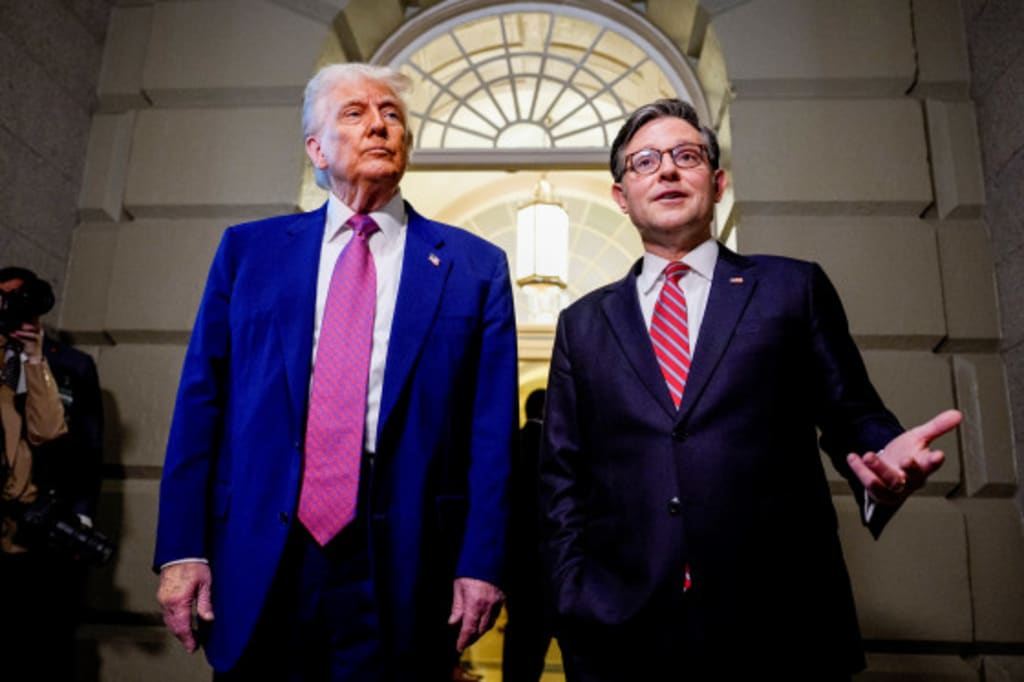
The U.S. House of Representatives has passed a major piece of election legislation called the SAVE America Act. The bill, backed by former President Donald Trump and House Republican leaders, would set new national standards for federal elections across all 50 states. It now moves to the Senate, where its future is uncertain due to strong partisan disagreement and procedural hurdles.
The SAVE America Act (also referred to as the Safeguard American Voter Eligibility Act) would require stricter controls on voter registration and voting procedures, especially around proof of citizenship and photo identification. Supporters say the changes are meant to strengthen confidence in federal elections. Opponents argue the bill could make voting harder for many eligible citizens and shift more authority over elections from states to the federal government.
Key Provisions of the Bill
The SAVE America Act’s most discussed elements center on how Americans register to vote and how they cast ballots in federal elections:
Proof of U.S. Citizenship at Registration
Under the bill, individuals would be required to show documentary proof of U.S. citizenship before they can register to vote in federal elections. That means providing documents such as a U.S. passport, birth certificate, or other government-issued proof showing citizenship status. States would be limited in accepting registrations without that documentation.
Photo Identification Required to Vote
The legislation would impose a photo ID requirement for voting in federal elections. Voters would need to present a valid photo ID at the polls before being allowed to cast a ballot. Supporters say this helps stop fraud, while critics argue it could exclude voters who lack specific ID forms.
Voter Rolls and Citizen Verification
The bill also includes requirements for states to take “affirmative steps” to ensure that only U.S. citizens remain on voter rolls. This could involve using federal databases and sharing voter registration data with agencies like the Department of Homeland Security.
Criminal Penalties and Legal Actions
The bill would let private citizens sue election officials for registering voters who cannot provide the required citizenship documents. It also establishes criminal penalties for certain violations tied to registering ineligible individuals to vote.
Taken together, these provisions represent significant changes to federal election law — and they go beyond most existing state rules on voter ID and registration.
House Vote and Partisan Split
The SAVE America Act passed the House on a 218–213 party-line vote. Every Republican present voted in favor, while all but one Democrat opposed the bill. The lone Democratic vote in support came from Rep. Henry Cuellar of Texas.
House Republican leaders and bill proponents describe this legislation as a way to protect election integrity and ensure only eligible citizens vote in federal elections. They point to broad public support for voter ID laws and stricter requirements as evidence that the changes reflect voter priorities.
However, Democratic lawmakers and voting rights advocates argue that the bill is unnecessary given existing safeguards and could lead to widespread “disenfranchisement.” They note that non-citizen voting in federal elections is already illegal and rare under current law.
Concerns Raised by Critics
Many civil rights groups and election officials have raised concerns about the SAVE America Act:
Possible Voter Disenfranchisement
Analysts estimate that millions of eligible voters lack easy access to the kinds of documents the bill would require. For example, tens of millions of Americans do not have passports or birth certificates readily available, and many people — including low-income citizens and young voters — would have difficulty meeting document requirements.
Critics also point out that certain forms of ID, like standard REAL IDs, do not necessarily indicate citizenship on their own, complicating the process. Only specialized forms of documentation in a few states currently verify citizenship status directly.
Impact on Women and Other Groups
Some advocates highlight that married women and others who have changed their names might face extra hurdles under the bill’s documentation rules. This could make it harder to prove citizenship if official records and identification do not match.
Federal Overreach and State Autonomy
Opponents argue that federalizing these requirements interferes with the long-established role states play in administering elections. States have traditionally set their own voter ID and registration rules under the Constitution. Increasing federal control, critics say, could create confusion and implementation challenges for election officials.
Privacy and Data Concerns
The requirement for states to regularly share voter records and citizenship status with federal agencies like Homeland Security has raised concerns among privacy advocates. They fear sensitive personal data could be exposed or misused.
Supporters’ Arguments
Supporters of the SAVE America Act emphasize election integrity and public trust:
Ensuring Only Legal Citizens Vote: Backers argue that requiring proof of citizenship strengthens the legal foundation of voting.
National Standards: Proponents claim that uniform federal standards prevent a patchwork of state rules that could be exploited.
Voter Confidence: Republican lawmakers have said that additional verification boosts confidence in election outcomes, especially after contentious past elections.
Some supporters point to public opinion polls showing broad backing for photo ID requirements, though those polls do not always address the more detailed document requirements in the SAVE America Act.
What Happens in the Senate?
While the House has passed the SAVE America Act, its path in the Senate remains uncertain. For the bill to become law, it must clear key hurdles:
60-Vote Threshold: Most major legislation in the Senate requires 60 votes to end debate and advance to final passage — a process known as overcoming a filibuster.
Partisan Opposition: Democratic senators and some moderate Republicans have already signaled strong opposition to the bill, making it unlikely to reach the necessary vote count.
Some Republican leaders have discussed options like redefining Senate rules to lower the threshold for passage, but such changes themselves would be politically difficult.
Community and Political Impact
The SAVE America Act’s passage has sparked debate across the political spectrum and within communities nationwide.
Local Election Officials
Many state and local election officials have expressed concern about the bill’s implementation timeline and technical challenges. They point out that altering voter registration and verification systems across all states would require resources and coordination that are not currently in place.
Community Response
Public reaction is divided. Some voters support stronger verification rules, while others fear that the bill’s requirements will keep eligible citizens — especially those in marginalized or low-income communities — from participating in elections. This tension reflects broader national debates about voting rights and access.
Political Controversy
Politically, the bill heightens partisan divisions. Supporters frame it as a defense of election integrity, while critics see it as a move toward voter suppression, particularly affecting groups with less access to government-issued identity documents. These disagreements are likely to persist as the bill moves through the Senate and beyond.
Conclusion
The SAVE America Act represents a major proposed change to federal election law. By requiring proof of citizenship to register and mandating photo ID to vote, it would impose national standards on how federal elections are conducted in all 50 states. The bill passed the House narrowly along party lines and now faces a challenging path in the Senate.
Supporters argue the legislation will strengthen election integrity and build voter confidence. Opponents contend it could reduce voter participation, particularly among eligible citizens who lack specific documentation and places new federal demands on state election systems.
As the bill proceeds to the Senate, debate will continue about the balance between protecting election systems and ensuring broad access to the ballot box — a fundamental issue in American democracy.
About the Creator
Saad
I’m Saad. I’m a passionate writer who loves exploring trending news topics, sharing insights, and keeping readers updated on what’s happening around the world.
Why Black History Matters in America?
The United States of America is celebrating their 250th anniversary in 2026. I'm proud to be an American and as someone who was born here, I wouldn't imagine myself living anywhere else. This is a country where opportunities are possible. Where anyone can be successful in anything they desire to do. Equality, community, and togetherness are the backbones of what America is and should be about. However, we have an administration who wants to erase and disregard those who have made positive, meaningful impacts in our country, specifically Black figures, such as Martin Luther King, Jr., Rosa Parks, and Maya Angelou. President Trump and his administration have been constantly complaining and fighting against what they call the "Woke agenda". They use this excuse as a distraction from other issues they refuse to address, such as the high cost of living, climate change, and inflation. That equality is dividing America, when in reality, it's bringing us together. Being woke is not tied to a specific political party. No matter where you stand on the political spectrum, you can still care about other people and their plights. Compassion and empathy for others isn't tied to a political party, either. We were taught as children to treat others the way we want to be treated and not judge others because they're different from us. Caring about others isn't a personal attack on your beliefs. It doesn't make you any less of a person. People who are easily offended over African American figures, past or present, or anything related to it, are grasping at straws. Current and future generations need to know who people like Harriet Tubman and Shirley Chisholm were, especially in the classroom. Black History is part of American History. It should be recognized, not hidden or forgotten. Besides, you can't shield children from everything, just because your feelings are easily hurt.
By Mark Wesley Pritchard 13 days ago in The Swamp


Comments
There are no comments for this story
Be the first to respond and start the conversation.