
Henrique Capriles, Venezuelan Opposition Leader: What Comes Next for Venezuela?
A veteran opposition figure navigates a fragile political transition Divisions, elections and uncertainty shape Venezuela’s next chapter Capriles re-enters politics as the nation searches for stability From street protests to parliament, the opposition recalculates its strategy 🔹 Neutral & Analytical How Venezuela’s opposition is redefining itself after years of crisis Political fractures and reform hopes collide in a changing Venezuela What Capriles’ return means for the country’s democratic future

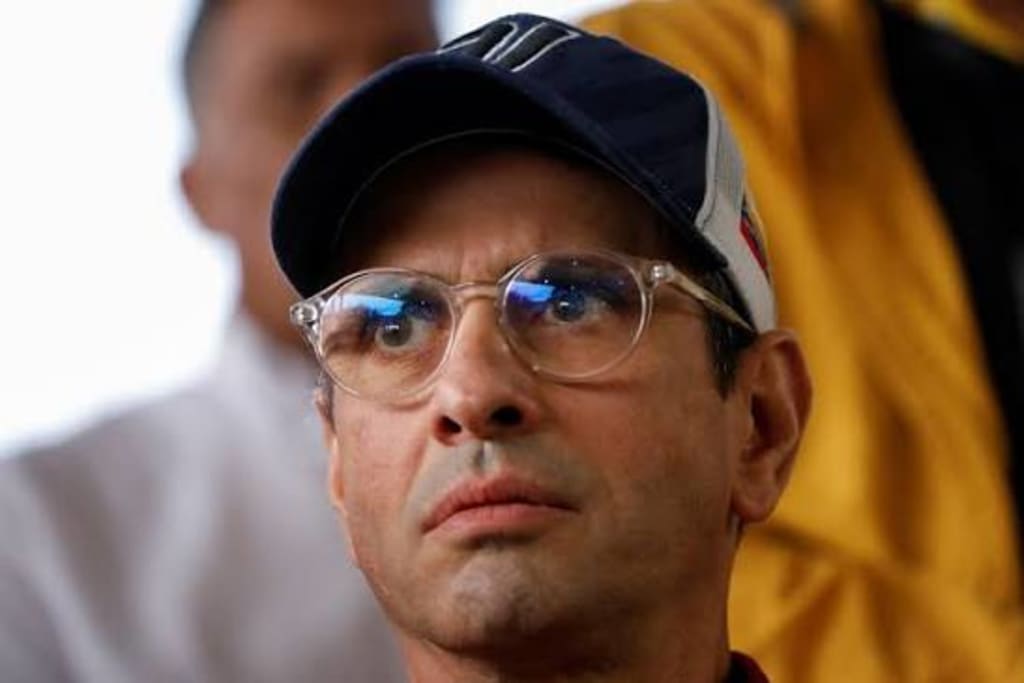
Henrique Capriles Radonski, one of Venezuela’s most enduring opposition figures, stands at a crossroads as the country enters an unpredictable new chapter in its political life. Decades after rising to prominence as a challenger to Hugo Chávez and Nicolás Maduro, Capriles’s role is shifting in response to seismic developments — including the arrest of Maduro, the emergence of controversial amnesty laws, and ongoing fractures within the broader opposition movement.
Capriles has long been a central voice in Venezuela’s struggle for democratic governance, even as the political landscape has fractured and shifted around him. Born in Caracas in 1972, Capriles entered politics in the 1990s and quickly rose through the ranks, becoming a member of Venezuela’s Congress and later governor of Miranda state. He gained national visibility in 2012 when he ran as the unified opposition candidate against President Hugo Chávez in a landmark election. Chávez won with about 55 percent of the vote, but Capriles’s challenge marked a significant moment in the country’s political polarization.
Encyclopedia Britannica
A Shift from Presidency to Legislative Politics
Capriles later challenged Nicolás Maduro in the 2013 presidential election following Chávez’s death. The result was extremely close — Maduro was declared the winner with just over 50 percent of the vote, while Capriles secured nearly 49 percent. Capriles rejected the results and called for full recounts, alleging irregularities.
Encyclopedia Britannica
For many years, Capriles remained one of the most prominent opposition voices, advocating democratic reforms and criticizing what he described as authoritarian tendencies in the Maduro government. At times, he diverged from other opposition leaders, rejecting abstentionist strategies and arguing instead for active participation in elections as a means of challenging the ruling Socialist Party’s grip on power.
Peoples Dispatch
In 2025, Capriles regained his political eligibility after years of being barred from office — a ban that had prevented him from running for public office — and entered the National Assembly elections. Running under the banner of a new political grouping, Unión y Cambio (UNICA), Capriles was elected as a deputy, giving him a renewed platform within Venezuela’s legislative framework.
Opposition Reconfiguration and Internal Strains
Capriles’s political choices have sometimes placed him at odds with larger blocs of the opposition. In 2025, he was expelled from the opposition party Primero Justicia alongside other leaders who chose to contest elections rather than following calls to boycott them as part of an abstentionist strategy. This rupture underscored deeper divisions within the opposition about how best to confront the Maduro regime.
The opposition landscape has also been shaped by the rise of other figures such as María Corina Machado, whose hardline stance and international profile have at times diverged from Capriles’s more institutional approach. El País reported in early 2026 that Capriles and Machado represent rival leadership currents within the opposition as various voices emerge in a political environment that some see as more plural but also more fractious.
EL PAÍS English
Capriles has criticized strategies that dismiss electoral participation, stressing that abstention — or refusing to contest contested processes — ultimately weakens the opposition’s influence and cedes ground to the ruling party. This reflects his longstanding belief that democracy must be defended not only in the streets but also through electoral and legal channels.
Peoples Dispatch
Maduro’s Arrest and the Political Shockwave
The context for Capriles’s political next steps has been fundamentally altered by extraordinary events. In early 2026, former Venezuelan President Nicolás Maduro was captured by U.S. federal authorities on narcoterrorism and drug trafficking charges, creating a political vacuum in a country long dominated by the Maduro administration. This has triggered a turbulent transitional period, with acting President Delcy Rodríguez and the National Assembly pushing forward legislative changes including an expansive amnesty law aimed at releasing political prisoners — a move that could reshape political participation and reintegration for many opposition figures.
Capriles has publicly advocated for fundamental conditions for any political transition, including the release of all political prisoners and clear guarantees for free and fair elections. In video statements to the press and social media, he has stressed that a credible transition must begin with restoring basic civil liberties and dismantling systems of repression before electoral contests can be meaningful.
YouTube
Amnesty, Reconciliation, and Political Calculus
The amnesty bill proposed by Rodríguez and advancing through the legislature could benefit many imprisoned opposition leaders and activists, but critics warn that without clear guarantees and transparency, it could also be used to shape political allegiances or shield serious abuses from accountability. Human rights groups have cautiously welcomed parts of the law as a step toward reconciliation while underscoring the need for justice and rule of law.
Financial Times
Capriles’s position in this evolving context is nuanced. He supports measures that genuinely promote democratic participation and protect Venezuelans’ political freedoms, yet he remains wary of superficial reforms that fail to address systemic issues. This places him in a potential kingmaker role as the opposition negotiates unity, strategy, and objectives in the face of ongoing political flux.
What Comes Next for Venezuela?
Looking ahead, Venezuela’s trajectory will likely be shaped by several converging dynamics:
Reconfiguration of Opposition Forces: Capriles and other leaders face the challenge of uniting a fragmented opposition behind a coherent strategy, balancing participation in electoral politics with demands for democratic guarantees and accountability.
Transition Politics Post-Maduro: With Maduro detained and an amnesty package unfolding, the country may enter a transitional phase that could open space for new political actors but also create uncertainty about institutional legitimacy and power sharing.
International Influence and Oversight: The involvement of international bodies — from the International Criminal Court’s expanded presence in Caracas to ongoing external diplomatic pressure — adds layers of complexity to domestic politics and could shape the pace and nature of political change.
infobae
Public Confidence and Economic Realities: Beyond politics, Venezuela grapples with profound economic and social challenges. Any meaningful political shift will need to address people’s urgent needs while rebuilding trust between citizens and institutions.
Capriles’s future role will depend on his ability to navigate these fault lines — bridging divides within the opposition, anchoring democratic demands, and articulating a vision that resonates beyond narrow partisan bases. Whether he emerges as a unifying elder statesman, a pragmatic legislator, or a polarizing figure remains to be seen, but his influence on Venezuela’s path forward remains undeniable.
About the Creator
Fiaz Ahmed
I am Fiaz Ahmed. I am a passionate writer. I love covering trending topics and breaking news. With a sharp eye for what’s happening around the world, and crafts timely and engaging stories that keep readers informed and updated.
Keep reading
More stories from Fiaz Ahmed and writers in The Swamp and other communities.
What Trump’s Plans for the Arctic Mean for the Global Climate Crisis
Former U.S. President Donald Trump’s renewed focus on the Arctic has revived debate over one of the world’s most fragile and strategically important regions. His proposals to expand oil and gas drilling, strengthen military presence, and assert American influence in the far north have significant implications not only for U.S. policy but for the global climate crisis. The Arctic is warming nearly four times faster than the rest of the planet, according to scientific studies. Melting ice caps, thawing permafrost, and shrinking glaciers are already transforming ecosystems and indigenous livelihoods. Any decision to intensify industrial activity in the region risks accelerating these changes and undermining international efforts to limit global warming. Energy Expansion vs Climate Commitments Trump has long argued that the Arctic represents an untapped source of economic growth and energy independence. During his presidency, his administration opened large portions of Alaska’s Arctic National Wildlife Refuge (ANWR) and other federal lands to oil and gas exploration. He framed these moves as a way to reduce reliance on foreign energy and create jobs. Critics say this approach ignores the broader climate consequences. Extracting and burning Arctic fossil fuels would add millions of tons of carbon dioxide to the atmosphere. Environmental groups argue that expanding drilling in one of the most climate-sensitive regions of the world sends the wrong signal at a time when nations are trying to transition to renewable energy. Climate scientists warn that Arctic development carries higher risks than drilling elsewhere. Oil spills are harder to clean in icy waters, and infrastructure built on melting permafrost is more likely to fail. These hazards increase the chance of long-term environmental damage. Strategic and Geopolitical Stakes Trump’s Arctic ambitions are not limited to energy. The region is becoming a new arena of geopolitical competition as melting ice opens shipping routes and access to natural resources. Russia and China have invested heavily in Arctic infrastructure, ports, and military bases. Trump repeatedly emphasized the need for the U.S. to counter these moves. His administration sought to expand the U.S. Coast Guard fleet of icebreakers and increase military readiness in Alaska and the Arctic Ocean. Supporters argue this is necessary to protect national security and maintain freedom of navigation. However, environmental advocates worry that militarization could further disrupt fragile ecosystems and divert attention from climate cooperation. The Arctic Council, an international forum that includes the U.S., Russia, Canada, and Nordic countries, was created to promote scientific collaboration and environmental protection. Trump’s more confrontational stance raised concerns that climate diplomacy in the Arctic could be sidelined by strategic rivalry. Impact on Indigenous Communities Indigenous peoples living in the Arctic, including Alaska Native communities, are among the first to experience the consequences of warming temperatures. Coastal erosion, collapsing ice roads, and declining wildlife populations threaten traditional hunting and fishing practices. Some local leaders support limited development for economic reasons, including job creation and infrastructure investment. Others strongly oppose drilling, arguing it puts their culture and environment at risk. Trump’s plans have intensified these divisions, with critics saying decisions were often made without sufficient consultation with affected communities. Human rights groups note that indigenous voices are frequently marginalized in national debates about Arctic policy. They argue that sustainable development and climate adaptation should take priority over short-term resource extraction. Global Climate Consequences What happens in the Arctic does not stay in the Arctic. The region plays a critical role in regulating the Earth’s climate. Sea ice reflects sunlight back into space; when it melts, darker ocean water absorbs more heat, accelerating warming in a process known as the albedo effect. Thawing permafrost also releases methane, a greenhouse gas far more potent than carbon dioxide in the short term. Scientists warn that large-scale Arctic industrial activity could trigger feedback loops that make it much harder to meet global climate targets set under agreements like the Paris Accord. Trump withdrew the U.S. from the Paris Agreement during his presidency, arguing it unfairly restricted American industry. Although the U.S. later rejoined under President Joe Biden, Trump has signaled skepticism toward international climate commitments, raising fears that Arctic policy could once again shift toward aggressive exploitation if he returns to power. A Dividing Line in Climate Politics Trump’s Arctic vision reflects a broader divide in global climate politics: economic growth versus environmental protection. Supporters say America should use its natural resources to strengthen its economy and security. Opponents counter that the climate crisis demands restraint, innovation, and a move away from fossil fuels altogether. European nations and environmental organizations have called for the Arctic to be treated as a protected zone rather than a new frontier for extraction. Some have proposed moratoriums on Arctic drilling, citing the region’s vulnerability and global importance. Conclusion Trump’s plans for the Arctic carry consequences far beyond U.S. borders. They affect not only energy markets and geopolitics but also the future of the global climate system. As ice continues to melt and competition intensifies, the choices made by major powers will shape whether the Arctic becomes a symbol of cooperation and conservation or a battleground for resources. The debate underscores a central question of the climate era: will the world prioritize short-term economic gains, or recognize that protecting the Arctic is essential to protecting the planet itself?
By Fiaz Ahmed 2 days ago in The Swamp
Why Black History Matters in America?
The United States of America is celebrating their 250th anniversary in 2026. I'm proud to be an American and as someone who was born here, I wouldn't imagine myself living anywhere else. This is a country where opportunities are possible. Where anyone can be successful in anything they desire to do. Equality, community, and togetherness are the backbones of what America is and should be about. However, we have an administration who wants to erase and disregard those who have made positive, meaningful impacts in our country, specifically Black figures, such as Martin Luther King, Jr., Rosa Parks, and Maya Angelou. President Trump and his administration have been constantly complaining and fighting against what they call the "Woke agenda". They use this excuse as a distraction from other issues they refuse to address, such as the high cost of living, climate change, and inflation. That equality is dividing America, when in reality, it's bringing us together. Being woke is not tied to a specific political party. No matter where you stand on the political spectrum, you can still care about other people and their plights. Compassion and empathy for others isn't tied to a political party, either. We were taught as children to treat others the way we want to be treated and not judge others because they're different from us. Caring about others isn't a personal attack on your beliefs. It doesn't make you any less of a person. People who are easily offended over African American figures, past or present, or anything related to it, are grasping at straws. Current and future generations need to know who people like Harriet Tubman and Shirley Chisholm were, especially in the classroom. Black History is part of American History. It should be recognized, not hidden or forgotten. Besides, you can't shield children from everything, just because your feelings are easily hurt.
By Mark Wesley Pritchard 6 days ago in The Swamp
IRGC seizes two foreign-crewed tankers: News agency
Iran’s Islamic Revolutionary Guard Corps (IRGC) has seized two foreign-crewed oil tankers in the Persian Gulf, according to reports from Iranian state-linked news agencies, escalating tensions in one of the world’s most strategically vital shipping corridors. The vessels were detained on allegations of smuggling fuel, Iranian officials said, though the identities of the ships and their nationalities were not immediately confirmed. The incident occurred near the Strait of Hormuz, a narrow waterway through which nearly a fifth of the world’s traded oil passes each day. The seizure has heightened concerns among shipping companies and Western governments about the security of maritime traffic in the region, already strained by conflicts in Gaza, Ukraine, and ongoing disputes over Iran’s nuclear program. State media quoted an IRGC naval commander as saying the tankers were carrying “large quantities of smuggled fuel” and were intercepted during a coordinated operation involving patrol boats and helicopters. The crews were reportedly transferred to Iranian custody for questioning, and the ships were escorted to an Iranian port for further investigation. Allegations of Fuel Smuggling Iranian authorities have frequently accused foreign vessels of engaging in fuel smuggling, a charge they say justifies seizures under domestic law. Iran subsidizes fuel heavily, creating incentives for illegal export and resale in neighboring markets at much higher prices. “The two vessels were involved in organized fuel trafficking networks operating in the Gulf,” the commander said in comments carried by Iranian media. “Their cargo and documents are now under judicial review.” However, independent verification of these claims has not been possible, and no evidence has been publicly released to support the allegations. Past incidents suggest that such detentions often carry political as well as legal significance, particularly during periods of heightened confrontation between Iran and Western powers. International Reaction Western officials expressed concern over the seizure and called for the immediate release of the vessels and their crews. A spokesperson for a European foreign ministry described the move as “deeply troubling” and warned that interference with commercial shipping could destabilize global energy markets. The U.S. Navy’s Fifth Fleet, which patrols the region from its base in Bahrain, said it was aware of the reports and was monitoring the situation closely. “We continue to support freedom of navigation and the safe transit of lawful commerce through international waters,” a U.S. defense official said. Shipping companies operating in the Gulf have responded cautiously. Several firms said they were reviewing security procedures and advising crews to remain alert when transiting near Iranian territorial waters. Insurance providers also raised concerns that further incidents could push up premiums for vessels traveling through the Strait of Hormuz, increasing costs for global trade. A Pattern of Maritime Confrontations The seizure fits a broader pattern of maritime confrontations involving Iran in recent years. Tehran has detained foreign vessels on multiple occasions, often citing legal violations such as environmental damage, collisions, or fuel smuggling. Western governments, however, have accused Iran of using such incidents as leverage in diplomatic disputes. In 2023 and 2024, several tankers linked to the United States and its allies were briefly seized or harassed by Iranian forces. Some were later released after negotiations, while others became part of wider political standoffs. Analysts say the timing of the latest incident may be linked to renewed sanctions pressure on Iran’s oil exports and its so-called “shadow fleet” of tankers used to bypass Western restrictions. “Whenever enforcement tightens on Iran’s oil trade, we tend to see more aggressive actions at sea,” said a Middle East security analyst. “Detaining foreign ships sends a signal that Iran can raise the cost of pressure if it chooses to.” Economic and Strategic Stakes The Strait of Hormuz remains one of the world’s most critical chokepoints for energy supplies. Any disruption can have immediate effects on oil prices and global markets. While prices did not spike dramatically following the initial reports, traders said the situation could change quickly if more vessels were targeted. Asian economies, particularly China, Japan, and South Korea, depend heavily on Gulf oil shipments and have called for restraint from all sides. Diplomatic sources said several countries were seeking clarification from Tehran about the fate of the detained crews. For Iran, the seizures may serve both practical and symbolic purposes. Domestically, authorities portray them as law enforcement actions against smugglers. Internationally, they demonstrate Tehran’s ability to challenge Western dominance in the Gulf. The IRGC Navy, which operates independently of Iran’s regular navy, has become a central player in these confrontations. It is tasked with defending Iran’s maritime borders and is known for using fast boats and unconventional tactics. Diplomatic Implications The incident comes at a sensitive moment in regional diplomacy. Talks over Iran’s nuclear program remain stalled, and relations between Tehran and Washington are strained by accusations of proxy involvement in conflicts across the Middle East. Some observers believe the tanker seizures could be aimed at strengthening Iran’s bargaining position in any future negotiations. Others warn that such actions risk miscalculation and escalation. “There is always the danger that a routine interception turns into a larger confrontation,” said a former Western naval officer. “With so many armed actors in a confined space, even small incidents can spiral quickly.” Crews and Human Impact Little information has emerged about the crews aboard the two tankers. Iranian media said they were being treated “in accordance with Islamic and international standards,” but families and employers abroad have expressed concern over their welfare. Human rights groups have previously criticized Iran for detaining foreign sailors without clear legal process, arguing that such cases often lack transparency. Shipping unions called on Iran to allow consular access and ensure the safety of those held. “Seafarers should not be caught in the middle of political disputes,” one union official said. What Comes Next It remains unclear how long the tankers will be held or whether charges will be formally filed. In past cases, vessels have been released after weeks or months following diplomatic engagement. For now, the incident adds another layer of uncertainty to an already volatile region. As Western nations step up pressure on Iran’s oil trade and Iran responds with shows of force, the risk of further maritime confrontations appears to be growing. The seizure of two foreign-crewed tankers underscores how economic sanctions, regional conflicts, and global energy security are increasingly intertwined. Whether this episode leads to quiet negotiations or further escalation will depend on how Tehran and the international community choose to respond in the days ahead.
By Fiaz Ahmed Brohi3 days ago in The Swamp


Comments
There are no comments for this story
Be the first to respond and start the conversation.