
Growing Thyme in India
Cultivating a Profitable Herb for the Future

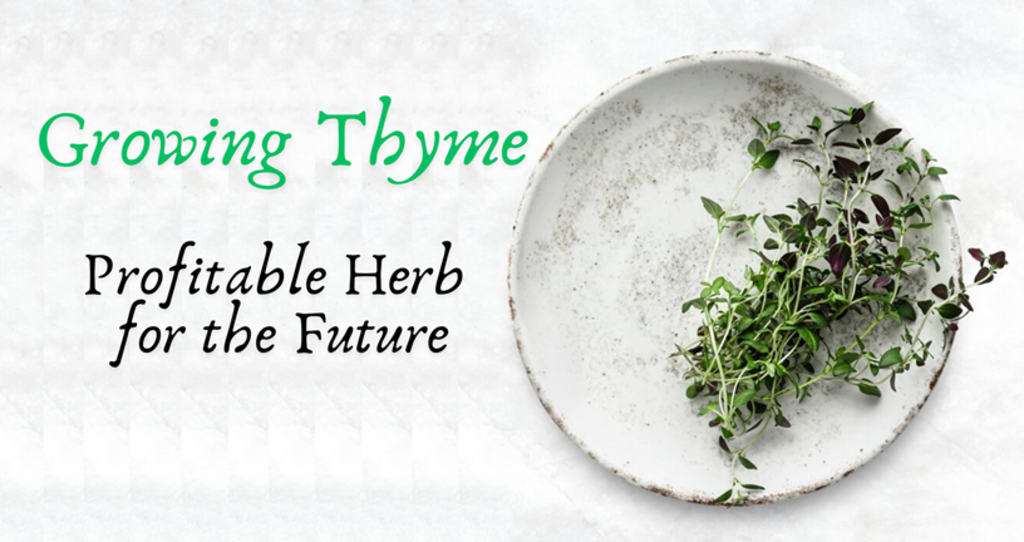
Thyme (Thymus vulgaris) is an aromatic perennial herb renowned for its culinary, medicinal, and ornamental uses. Originating from the Mediterranean region, thyme has adapted well to various climates and soils, making it a viable crop in India.
Thyme has an aromatic and woody aroma. Although there are several different varieties of thyme, they all have some degree of sweet, lemony, minty, peppery, and subtle taste. Thyme can grow between 18 inches wide and 6-12 inches tall. It produces tiny, greenish-grey leaves. The thyme flower tends to bloom in early midsummer, and its colour ranges between white and lilac.
Thyme's robust flavour, essential oils, and health benefits have increased its demand, creating lucrative opportunities for Indian farmers. If you are also interested in cultivating thyme, read this guide below.
Top Thyme Varieties in India:
In India, various types of thyme can be cultivated, each offering distinct features ideal for different applications. Here are some well-known varieties of this herb.
Thyme Varieties
- Common Thyme
- Lemon Thyme
- Caraway Thyme
- Creeping Thyme
- Silver Thyme
- Thyme ‘Doone Valley’
5 Leading States for Thyme Cultivation in India:
Thyme farming is becoming quite famous in India. Several states across the country have emerged as key players in thyme farming, thanks to their favourable climatic conditions and soil types. Let’s check the leading Indian states of this farming below.
Thyme Growing States in India
- Himachal Pradesh
- Uttarakhand
- Punjab
- Haryana
- Maharashtra
- Karnataka
Medicinal Benefits of Thyme:
Thyme leaves, flowers and oil are commonly used to make medicines. This herb has various medicinal properties. You can check its benefits below.
- Reduces blood pressure
- Works as an immunity booster
- Boosts mood
- Cures acne
- Have anti-cancer properties
- Prevents bacterial infections
- Treats yeast infections
Stages of Thyme Cultivation in India:
Thyme is becoming popular in India for its many uses. The following stages of thyme cultivation are necessary to get a high-quality yield. Farmers should not skip any of these stages and should effectively complete all the processes. These stages are mentioned below in detail for farmers’ reference.
Weather Requirements:
- Sunlight: Thyme requires full sun to grow well. It needs to be under direct sunlight for a minimum of 6 hours each day.
- Temperature: The temperature must be within the range of 15°C to 25°C. Thyme can endure a certain level of cold but will not grow well in extreme frost or heat.
Soil Preparation:
- Soil Type: Use well-drained soil with good aeration. Sandy or loamy soils are best for this farming.
- pH Level: Growers should ensure that the pH level of the soil is between 6.0 and 8.0. They should check the pH and make proper adjustments.
- Preparation: First, clear the weeds and other debris from the bed. Mix well with organic compost to improve fertility and drainage.
- Ploughing: The land should be properly ploughed. If anyone is planning to cultivate thyme, they should buy a Mahindra Tractor for effective land preparation. These tractors are designed to handle various soil conditions and tasks, making them ideal for thyme farming. Additionally, the Mahindra Tractor comes in the competitive range,
Planting:
- Seed Sowing: Sow seeds in a nursery or directly in the field. Lightly cover the seeds with soil and keep it moist till germination.
- Cuttings: Take 4-6 inch cuttings from healthy thyme plants. Remove the lower leaves and plant them in a rooting medium. Ensure good contact with the soil.
- Spacing: Space the plants 30-45 cm apart, as this will allow them to grow appropriately and receive air.
Watering:
- Initial Watering: New plants need adequate watering to adequate establishment.
- Established Plants: Very little irrigation is needed once thyme has been established. Water only when the soil has dried, as the thyme plant is susceptible to root rot if it is constantly damp.
- Irrigation: Drip irrigation is best for thyme cultivation. It provides plants with consistent moisture without waterlogging.
Pest and Disease Control:
- Pest Management: Monitor for any pests, such as aphids, spider mites, and whiteflies, on the plants. Treat these pests with neem oil or insecticidal soap as needed.
- Disease Prevention: Maintain air circulation around the plants and avoid overhead irrigation to prevent fungal diseases. Treat any signs of disease promptly with appropriate fungicides.
Harvesting:
- Timing: Thyme is best harvested when it is in bloom or close to blooming time. This is the stage when the plant leaves contain the highest volumes of essential oil.
- Method: Cut the stems with sharp scissors or pruning shears. It is preferred to harvest herbs in the morning when the moisture on the plant has dried up, as this tends to improve the scent of the herb.
Once the thyme is harvested, farmers can collect it in a trailer using a Mini Tractor.
Post-Harvesting Processes:
- Drying: Harvested thyme should be left to dry by hanging the bundles in a shaded, proper ventilation area. Avoid exposing the oils to direct sunlight, as this reduces their quality.
- Storage: When dried, try to take off the leaves from the stems, then put them into sealed jars. Store the containers away from light in a cool place to maintain freshness and potency.
- Processing: Thyme may be processed into essential oil form or dried for packaging. Good handling is important to ensure the quality of the plants.
Conclusion:
Thyme farming presents a promising economic opportunity in India. Its rising popularity for culinary, medicinal, and ornamental uses allows farmers to diversify their crops and boost income. Thyme cultivation is not very expensive and requires minimal water, making it quite an accessible choice for many regions.
By following the best practices in cultivation and harvesting, farmers can obtain high-quality yields. This herb is in great demand locally and internationally. Thyme farming has the potential to yield profitable returns and contribute to the local economy.
About the Creator
Rajendra_Singh
I'm a agriculture blogger, who loves sharing my knowledge about growing things. On my blog, you'll find practical tips and interesting stories to help you get started!
Reader insights
Nice work
Very well written. Keep up the good work!
Top insights
Compelling and original writing
Creative use of language & vocab
Easy to read and follow
Well-structured & engaging content
Excellent storytelling
Original narrative & well developed characters
Expert insights and opinions
Arguments were carefully researched and presented
Eye opening
Niche topic & fresh perspectives
Heartfelt and relatable
The story invoked strong personal emotions
Keep reading
More stories from Rajendra_Singh and writers in The Swamp and other communities.
Potato Farming in India
Potato (Solanum tuberosum) is the most important food crop in the world. It is a temperate crop grown under subtropical conditions in India. It is a much-branched bushy herb, usually 0.5 to 1m in height, with underground stems bearing the edible tubers.
By Rajendra_Singh2 years ago in The Swamp
A Gathering of Evil Bosses
“I’m the queen of chin jutting while I smooth my hair, attacking, insulting, and deflecting to protect my appointer.” “Oh, please, Blondi, my hair is curled, highlighted, and longer than yours. I feature television commercials telling immigrants that we will give them a free plane ride home, and if they voluntarily turn themselves in, they will be allowed to legally apply for re-entry. It runs everywhere, and I look good in it! You can’t compete because of your blond hair. Mine is nicer, and my lips are prettier than yours.”
By Andrea Corwin 17 days ago in The Swamp
Becca
"Everything is so... flat." Denille said stupidly as she looked around her new neighborhood. She looked around at the muted desert where even the smallest sign of life seemed to have given up. The plant life was shrubs that were half cooked by the heat and where there should have been a lawn, a mess of white rocks laid glistening in the sun. Even the sky looked stretched thin, like the sun had ironed it smooth. She’d moved from Riverside, where at least there were hills, but here in Barstow, everything felt baked and brittle.
By Sara Wilsona day ago in Fiction



Comments (1)
I really love your content and how it's crafted , I love it and happily subscribed , you can check out my content and subscribe to me also , thanks for this beautiful one