
Gold, Silver Price Cut: Is This the Right Time to Buy as Rates Fall by 40 Percent? Experts Weigh In
Sharp correction in precious metals sparks debate among investors over opportunity versus risk

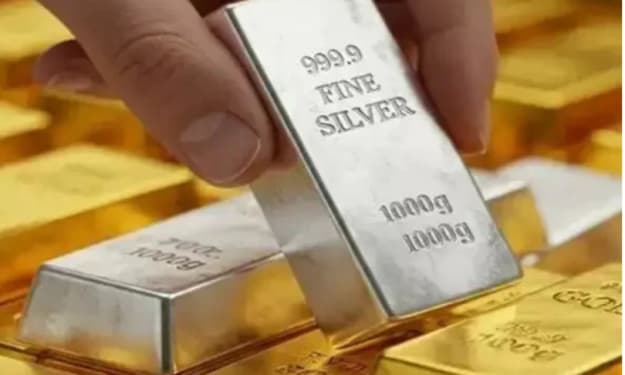
Gold and silver prices have seen a dramatic pullback, with rates reportedly falling by as much as 40 percent from recent highs, reigniting a familiar question among investors: is this the right time to buy? The steep decline has caught the attention of retail buyers, long-term savers, and market analysts alike, as precious metals that once seemed perpetually expensive now appear relatively more affordable. Yet, as experts caution, price corrections alone do not guarantee an ideal entry point.
What Triggered the Sharp Price Cut?
The recent correction in gold and silver prices has been driven by a combination of global and domestic factors. Internationally, stronger-than-expected economic data from major economies has reinforced the view that interest rates may remain higher for longer. Rising bond yields and a firmer U.S. dollar tend to weigh on precious metals, which do not offer interest income and are priced in dollars globally.
In addition, profit-taking played a significant role. After a prolonged rally that pushed gold and silver to multi-year or record highs, many institutional investors chose to book gains, leading to a sharp and swift sell-off. Silver, known for its higher volatility compared to gold, experienced an even steeper correction as leveraged positions were unwound.
On the domestic front, easing local demand in some markets and currency stability also contributed to the price adjustment, amplifying the sense of a sudden “price cut” for consumers and investors.
Does a 40 Percent Fall Mean a Buying Opportunity?
A decline of this magnitude naturally attracts bargain hunters. Historically, deep corrections in gold and silver have often preceded periods of consolidation or renewed uptrends. However, experts stress that context matters. A price fall can be an opportunity if the long-term fundamentals remain intact, but it can also signal a shift in the broader market cycle.
Many analysts point out that gold’s long-term drivers—such as inflation protection, portfolio diversification, and its role as a safe-haven asset—have not disappeared. Persistent geopolitical tensions, high global debt levels, and uncertainty around economic growth continue to provide structural support for gold over the long run.
Silver, while more cyclical, also retains strong fundamentals due to its growing use in renewable energy, electronics, and electric vehicles. These structural demand trends suggest that sharp corrections may not necessarily undermine the long-term outlook.
What Are Experts Advising Investors?
Market experts largely agree on one point: timing the absolute bottom is extremely difficult. Rather than making large, one-time purchases, many advisors recommend a staggered or systematic approach to buying gold and silver. This strategy, often referred to as “averaging,” allows investors to spread their purchases over time, reducing the risk of entering the market at an unfavorable moment.
For conservative investors, gold remains the preferred choice due to its relatively lower volatility and established role as a store of value. Experts often suggest allocating a modest portion of a portfolio—typically 5 to 10 percent—to gold as a hedge against uncertainty.
Silver, by contrast, may suit investors with a higher risk appetite. Its prices can swing more sharply in both directions, offering greater upside potential during rallies but also deeper drawdowns during corrections. Experts advise keeping silver allocations smaller and being prepared for short-term volatility.
Physical Gold vs. Paper Gold
Another key consideration highlighted by analysts is the form of investment. Physical gold, such as coins, bars, and jewelry, is often favored by long-term holders seeking security and tangibility. However, it comes with additional costs related to making charges, storage, and insurance.
Paper gold options, including exchange-traded funds (ETFs) and digital gold platforms, offer greater liquidity and ease of transaction. These instruments closely track market prices and are often more cost-effective for investors focused purely on price appreciation rather than physical ownership.
Silver investors face similar choices, with physical silver appealing to traditional buyers and ETFs providing a more convenient alternative for market participants.
Risks to Watch Before Buying
Despite the allure of lower prices, experts urge caution. If global interest rates remain elevated for an extended period or if the dollar continues to strengthen, gold and silver could face further downside pressure. Additionally, any easing of geopolitical tensions or a strong rebound in risk assets like equities could divert investment flows away from precious metals.
Domestic factors such as changes in taxes, import policies, or currency fluctuations can also influence local prices, sometimes independently of global trends.
Final Verdict: Buy, But With a Plan
So, is this the right time to buy gold and silver after a 40 percent price cut? Experts suggest that the answer depends on investment goals and time horizons. For long-term investors, the correction offers an opportunity to gradually build positions at more reasonable valuations. For short-term traders, however, volatility remains high, and patience may be required.
The consensus advice is clear: avoid impulsive decisions, focus on fundamentals, and adopt a disciplined strategy. Gold and silver remain valuable components of a diversified portfolio, but successful investing lies not in chasing price cuts, but in aligning purchases with long-term financial objectives.
About the Creator
Keep reading
More stories from Sadaqat Ali and writers in The Swamp and other communities.
Gold and Silver Prices Surge in Pakistan Amid Global Market Rally
Gold and silver prices in Pakistan surged sharply, mirroring a broader rally in international bullion markets and reflecting the complex interplay between global trends and domestic economic factors. The latest upswing has drawn the attention of investors, jewelers, and households alike, as precious metals once again assert their role as a preferred store of value during periods of uncertainty.
By Sadaqat Aliabout 6 hours ago in The Swamp
Why Black History Matters in America?
The United States of America is celebrating their 250th anniversary in 2026. I'm proud to be an American and as someone who was born here, I wouldn't imagine myself living anywhere else. This is a country where opportunities are possible. Where anyone can be successful in anything they desire to do. Equality, community, and togetherness are the backbones of what America is and should be about. However, we have an administration who wants to erase and disregard those who have made positive, meaningful impacts in our country, specifically Black figures, such as Martin Luther King, Jr., Rosa Parks, and Maya Angelou. President Trump and his administration have been constantly complaining and fighting against what they call the "Woke agenda". They use this excuse as a distraction from other issues they refuse to address, such as the high cost of living, climate change, and inflation. That equality is dividing America, when in reality, it's bringing us together. Being woke is not tied to a specific political party. No matter where you stand on the political spectrum, you can still care about other people and their plights. Compassion and empathy for others isn't tied to a political party, either. We were taught as children to treat others the way we want to be treated and not judge others because they're different from us. Caring about others isn't a personal attack on your beliefs. It doesn't make you any less of a person. People who are easily offended over African American figures, past or present, or anything related to it, are grasping at straws. Current and future generations need to know who people like Harriet Tubman and Shirley Chisholm were, especially in the classroom. Black History is part of American History. It should be recognized, not hidden or forgotten. Besides, you can't shield children from everything, just because your feelings are easily hurt.
By Mark Wesley Pritchard 7 days ago in The Swamp
Trump Signs Bill to End Shutdown but Another Budget Cliff Looms Over ICE Funding
The United States government narrowly avoided a prolonged shutdown after former President Donald Trump signed emergency legislation designed to keep federal agencies open. However, while the immediate crisis has been resolved, a new financial deadline is already approaching — one that could significantly impact funding for Immigration and Customs Enforcement (ICE).
By Aarif Lashari5 days ago in The Swamp



Comments
There are no comments for this story
Be the first to respond and start the conversation.