
Gold Prices: Why the World Still Turns to the Oldest Safe Haven
How uncertainty, inflation, and global tension continue to shape the value of gold
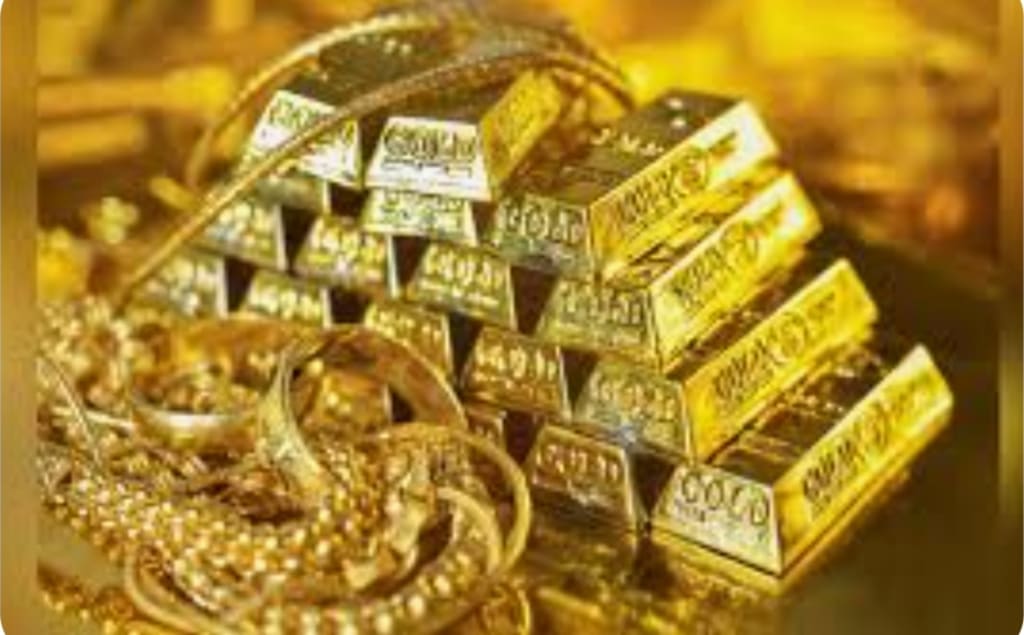
For thousands of years, gold has held a unique position in human history. Empires rose and fell, currencies changed, and markets evolved, yet gold remained a symbol of stability and value. In today’s modern financial system—dominated by digital assets, stocks, and complex instruments—gold prices still command global attention.
Whenever uncertainty rises, gold inevitably returns to the spotlight.
Why Gold Still Matters
Gold is more than a commodity. It is a store of value, a hedge against inflation, and a psychological anchor during economic stress. Unlike paper currencies, gold cannot be printed or digitally created. Its limited supply gives it enduring appeal, especially when trust in financial systems weakens.
Investors often turn to gold when markets become volatile. Whether due to inflation fears, currency devaluation, or geopolitical conflict, gold is perceived as a protective asset—one that holds its worth when others fluctuate wildly.
The Forces Driving Gold Prices
Gold prices are shaped by a complex mix of global factors. Inflation is one of the most significant. When the cost of living rises and purchasing power declines, gold becomes attractive as a way to preserve wealth.
Interest rates also play a crucial role. When rates are low, holding gold—an asset that does not pay interest—becomes more appealing. Conversely, higher interest rates can reduce gold’s appeal, as investors seek better returns elsewhere.
Currency strength, particularly that of the U.S. dollar, influences gold prices as well. Because gold is typically priced in dollars, a weaker dollar often pushes gold prices higher, making it cheaper for international buyers.
Gold and Global Uncertainty
Periods of global instability almost always drive gold prices upward. Wars, political crises, trade tensions, and pandemics increase demand for safe assets. Gold benefits from fear-driven demand because it is universally recognized and easily traded across borders.
Unlike stocks or bonds tied to specific economies, gold carries no credit risk. It does not depend on a company’s performance or a government’s promise. This independence makes it especially valuable during systemic crises.
Central Banks and Gold Reserves
Central banks around the world continue to hold large gold reserves, reinforcing gold’s relevance in modern finance. In recent years, many countries have increased their gold holdings to diversify away from reliance on major currencies.
This institutional demand adds another layer of support to gold prices. When central banks buy gold, it signals long-term confidence in the metal’s role as a strategic asset.
Gold is not just for individual investors—it is part of global monetary strategy.
Gold as an Investment Choice
For everyday investors, gold offers diversification. It often moves differently from stocks and bonds, helping balance risk in a portfolio. Some invest through physical gold, such as coins or bars, while others choose exchange-traded funds or mining stocks.
However, gold is not without drawbacks. Its price can stagnate for long periods, and it does not generate income. Successful gold investing requires patience and an understanding of broader economic cycles.
Gold works best as protection, not speculation.
The Psychological Power of Gold
Beyond economics, gold carries emotional and cultural weight. It symbolizes security, wealth, and permanence. This psychological trust plays a significant role in sustaining demand.
In times of crisis, people do not ask whether gold will exist tomorrow—they assume it will. That confidence alone contributes to its enduring value.
The Future of Gold Prices
As the world faces ongoing economic transitions, gold’s role remains relevant. Rising debt levels, inflationary pressures, and geopolitical uncertainty suggest that gold will continue to attract attention.
At the same time, emerging assets and technological innovation may reshape investment strategies. Yet history shows that gold adapts rather than disappears.
Its value lies not in trends, but in resilience.
Conclusion
Gold prices reflect more than market movements—they mirror global confidence and fear. When stability feels uncertain, gold offers reassurance rooted in centuries of trust.
In a rapidly changing financial world, gold remains a constant reminder that some forms of value endure, regardless of time, technology, or turmoil.
About the Creator
Keep reading
More stories from Ayesha Lashari and writers in The Swamp and other communities.
TikTok Live: Where Real-Time Content Meets Real Influence
TikTok began as a platform for short, edited videos, but its evolution into live streaming has reshaped how creators and audiences connect. TikTok Live is no longer just a feature—it is a powerful space where authenticity, interaction, and influence collide in real time. What once required expensive equipment and professional studios now happens instantly from a smartphone.
By Ayesha Lashari18 days ago in The Swamp


Comments
There are no comments for this story
Be the first to respond and start the conversation.