
Germany Turns Its Back on Europe’s Defense: Why Berlin Is Suddenly All-in on the U.S. Military Drones
From cautious neutrality to full-throttle adoption, Germany’s embrace of U.S. military drones signals a major shift in European defense strategy.

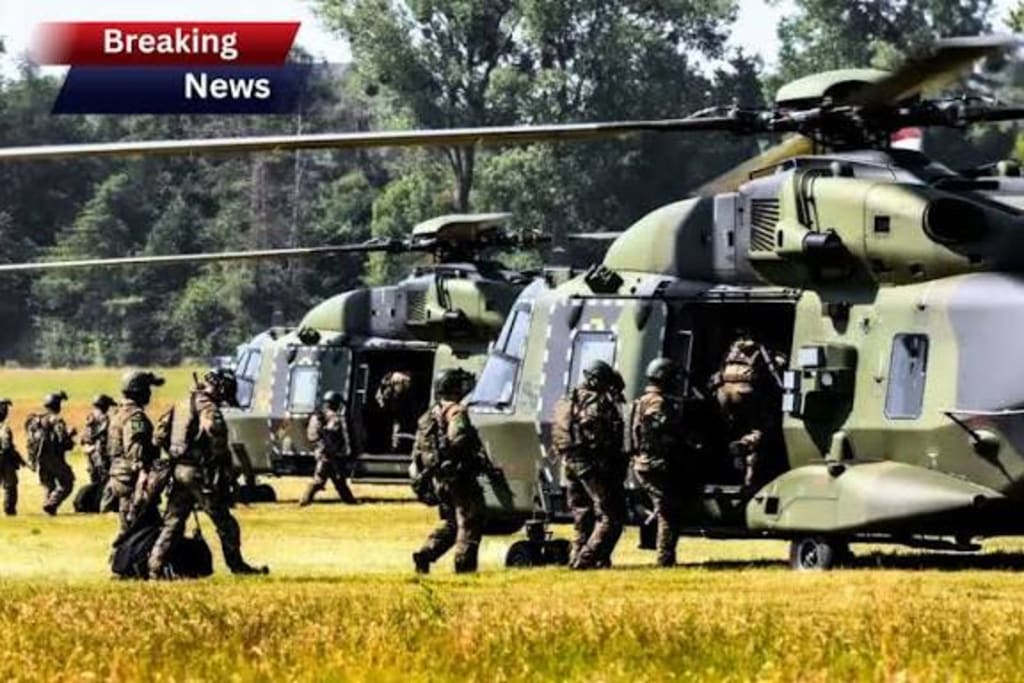
Germany has long been seen as a cautious player in European defense, balancing NATO commitments with its historical reluctance to project military power abroad. However, recent developments reveal a striking shift: Berlin is now investing heavily in U.S.-made military drones, raising questions about the country’s long-term defense strategy and Europe’s own capabilities.
A Strategic Pivot
For decades, Germany prioritized diplomatic channels and conventional military forces within Europe. While other NATO members invested in advanced drones and unmanned systems, Germany relied largely on traditional fighter jets and armored units. The recent pivot toward American drones represents a dramatic change in posture.
According to defense analysts, Berlin’s decision is driven by multiple factors. Firstly, the rise of asymmetric threats in Europe—ranging from regional conflicts to cyber and hybrid warfare—demands rapid response capabilities that drones can provide. Secondly, U.S. drones offer advanced surveillance, targeting, and strike capabilities that Germany’s domestic programs have struggled to match.
Why U.S. Drones?
The choice to turn to American technology rather than European-developed drones is notable. While Europe boasts capable defense industries, political and technical hurdles have slowed the deployment of continent-wide drone programs. By opting for U.S. drones, Germany gains access to proven systems, faster deployment timelines, and interoperability with NATO allies, particularly the United States.
However, this reliance on American drones is not without controversy. Critics argue that it may undermine Europe’s autonomy in defense matters and deepen dependency on Washington. Some European defense experts warn that Berlin’s strategy could set a precedent, encouraging other countries to rely on foreign technology rather than developing homegrown capabilities.
Political Implications in Europe
Germany’s pivot is reshaping defense conversations across the continent. France and Italy, for instance, have invested heavily in indigenous drone programs, aiming to assert Europe’s strategic independence. Berlin’s embrace of U.S. drones signals a willingness to prioritize immediate operational capability over long-term continental autonomy, potentially creating friction within European defense circles.
Additionally, Germany’s decision may reflect broader geopolitical concerns. The ongoing conflict in Eastern Europe and increasing Russian military activity have underscored Europe’s vulnerability, prompting Berlin to act decisively. Drones, capable of surveillance and rapid response, offer a low-risk, high-impact solution to modern threats.
Domestic Debate
Within Germany, the move has sparked debate. Supporters emphasize the strategic necessity of modernizing the Bundeswehr and argue that American drones provide a reliable, tested solution in a volatile security environment. Opponents caution against overreliance on foreign technology and warn of potential ethical and legal challenges associated with drone warfare.
The German public, still wary of military overreach due to historical context, remains divided. Transparency regarding the missions, capabilities, and limitations of these drones will be crucial for maintaining public trust.
Technical Advantages
U.S. drones bring several advantages to the table. Equipped with advanced sensors, AI-driven targeting systems, and long-endurance flight capabilities, these unmanned systems can conduct intelligence, surveillance, and reconnaissance missions with minimal human risk. In a conflict scenario, they can provide Germany with real-time battlefield awareness and precision strike capabilities, compensating for gaps in conventional forces.
Furthermore, integration with NATO command systems ensures that Germany’s drones can operate seamlessly alongside allied forces, enhancing collective defense and strengthening the transatlantic bond.
A Sign of Things to Come?
Germany’s embrace of U.S. drones may signal a broader trend in European defense. As threats evolve and technology advances, countries may increasingly favor proven systems over domestic development. This pragmatic approach could accelerate the adoption of drones across Europe, reshaping military doctrines and alliance strategies in the process.
At the same time, Germany faces the challenge of balancing immediate operational needs with long-term strategic autonomy. Maintaining investment in domestic drone technology alongside U.S. systems may be critical to preserving Europe’s independent defense capabilities.
Conclusion
Germany’s sudden commitment to U.S. military drones represents a seismic shift in European defense thinking. Driven by urgency, technological advantages, and geopolitical realities, Berlin is prioritizing capability over autonomy. As the debate continues at home and abroad, the move underscores the growing role of drones in modern warfare and the complex strategic choices facing European powers.
Whether this decision strengthens Europe’s security or deepens reliance on external powers remains to be seen. What is certain, however, is that Germany’s embrace of American drones will be felt across the continent—and will shape the conversation about European defense for years to come.
About the Creator
Fiaz Ahmed
I am Fiaz Ahmed. I am a passionate writer. I love covering trending topics and breaking news. With a sharp eye for what’s happening around the world, and crafts timely and engaging stories that keep readers informed and updated.
Keep reading
More stories from Fiaz Ahmed and writers in The Swamp and other communities.
Pakistan’s Military Chief Consolidates Power Unseen in Years
Pakistan has entered a familiar yet intensified phase of civil-military imbalance, as the country’s military chief consolidates authority at a level rarely witnessed in recent decades. While the armed forces have long been a dominant force in Pakistan’s political landscape, current developments suggest a deeper and more institutionalized consolidation of power—one that extends beyond security matters into governance, politics, and national narrative-building.
By Fiaz Ahmed 29 days ago in The Swamp
Voice Commerce Market Size and Forecast 2025–2033: The Rise of Hands-Free Shopping in a Conversational Economy
Introduction: Shopping Enters the Age of Voice The way consumers shop is undergoing a profound transformation. Typing, scrolling, and tapping are gradually giving way to a more natural and intuitive interface — the human voice. As artificial intelligence, smart devices, and speech recognition technologies become more sophisticated, voice commerce is emerging as one of the most disruptive forces in the global retail ecosystem.
By Renub Researchabout 7 hours ago in The Swamp



Comments
There are no comments for this story
Be the first to respond and start the conversation.