
Germany Germany misses climate targets as emissions barely fall in 2025
Slow progress in cutting greenhouse gases raises concerns about Europe’s largest economy meeting its long-term climate commitments

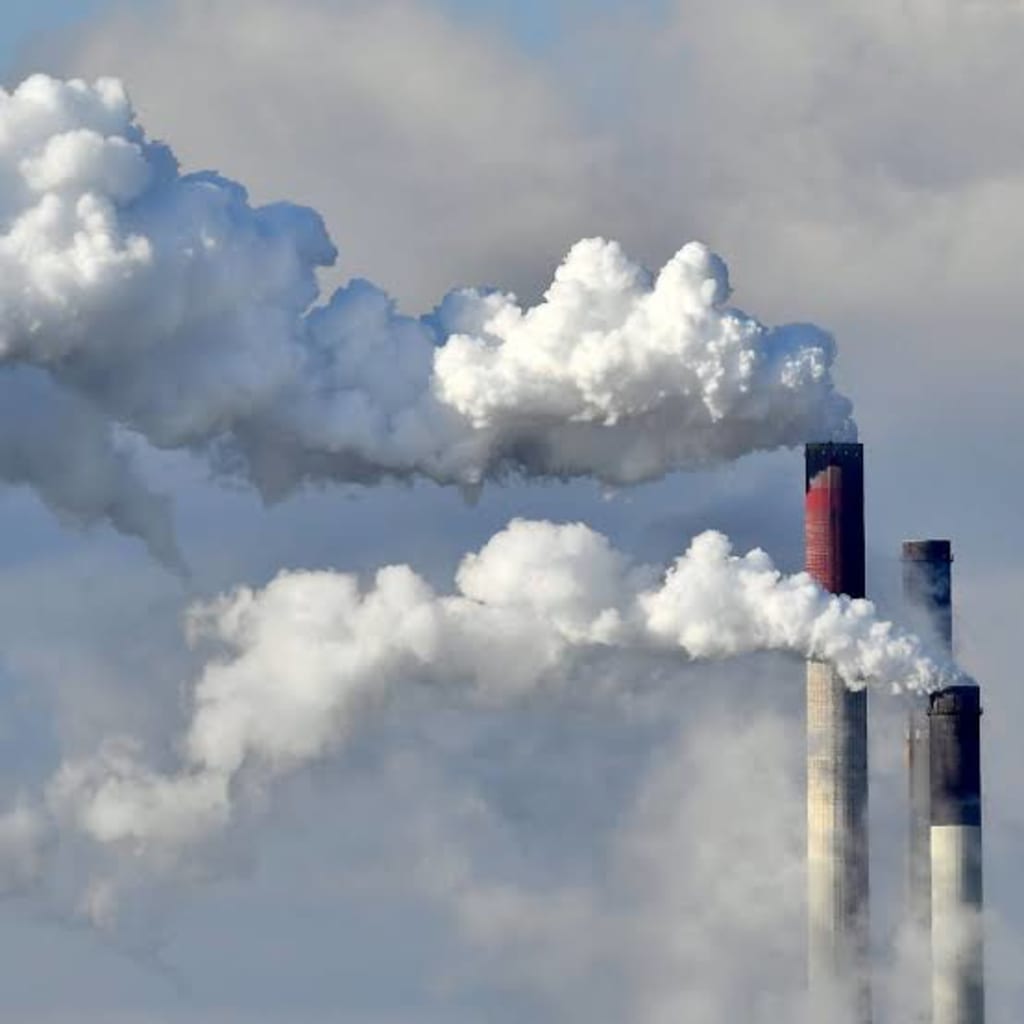
Germany has fallen short of its national climate targets after greenhouse gas emissions declined only marginally in 2025, raising fresh concerns about whether Europe’s largest economy can meet its ambitious decarbonization goals in the coming decade.
Preliminary estimates from environmental monitoring groups suggest emissions in Germany fell by less than expected last year, marking a slowdown in progress compared with earlier reductions achieved during the energy crisis and pandemic years. The modest decline has sparked criticism from climate advocates and renewed debate within the government over the pace of the country’s energy transition.
Officials linked the sluggish progress to several factors, including higher industrial output, increased use of fossil fuels during periods of energy demand, and slower-than-anticipated expansion of renewable power infrastructure. These pressures complicated the country’s efforts to stay on track with targets established under Germany’s national climate law.
Slower Emissions Decline
Germany had aimed to reduce greenhouse gas emissions significantly by the middle of the decade as part of a broader plan to reach climate neutrality by 2045. However, analysts say the reductions achieved in 2025 were minimal compared with the steep cuts required to meet those targets.
The country’s climate framework requires strict annual limits for major sectors including transportation, buildings, industry, and energy production. Several of those sectors are believed to have exceeded their permitted emission levels last year, placing additional pressure on policymakers to introduce corrective measures.
Environmental experts note that early gains in emissions reduction were partly driven by temporary circumstances such as reduced economic activity and energy consumption during the pandemic period. As the economy rebounded, structural reforms needed to maintain those reductions have proven more difficult to implement.
Energy Transition Challenges
Germany’s energy transition, often referred to as Energiewende, aims to rapidly expand renewable energy while phasing out nuclear and coal power. Although renewable generation has grown significantly over the past decade, challenges remain in scaling up infrastructure quickly enough to replace fossil fuels.
Wind and solar installations continue to expand across the country, but regulatory hurdles, grid limitations, and local opposition to some projects have slowed development in certain regions. At the same time, fluctuating renewable output has required continued reliance on gas and coal power plants during periods of high electricity demand.
Energy analysts say that balancing supply and demand during the transition remains one of the central difficulties for policymakers. Without major improvements in energy storage, grid expansion, and renewable deployment, fossil fuel generation may remain necessary to ensure stability in the power system.
Transport and Buildings Under Pressure
Two sectors in particular — transportation and buildings — continue to pose serious challenges for Germany’s climate strategy. Road traffic emissions remain stubbornly high due to strong reliance on private vehicles and freight transport powered by diesel and gasoline.
Although electric vehicle adoption is increasing, the transition is occurring more slowly than many climate planners had anticipated. Charging infrastructure expansion and consumer adoption rates have become key issues in the national debate over transportation emissions.
The buildings sector faces similar obstacles. Heating systems in millions of German homes still rely on natural gas or oil, and efforts to replace them with cleaner alternatives have triggered political controversy over costs and regulatory requirements.
European and Global Implications
Germany’s climate performance carries significant weight across the European Union, where the country plays a leading economic and political role. The EU has set ambitious emissions reduction targets for member states as part of its broader strategy to combat global climate change.
If Germany struggles to meet its national targets, analysts warn it could complicate the bloc’s collective efforts to reduce emissions and maintain credibility in international climate negotiations.
Climate groups say stronger policies will be needed to accelerate emissions cuts, including faster renewable energy deployment, stricter efficiency standards, and increased investment in green technologies.
Political Debate Intensifies
The latest emissions data has already fueled debate within Germany’s governing coalition, where parties differ over the best approach to climate policy. Some leaders argue that more aggressive regulations and subsidies are needed to drive rapid transformation, while others warn that excessive pressure could harm industry and economic competitiveness.
Industrial groups have expressed concern that overly strict climate measures could push manufacturing companies to relocate production outside Europe. Environmental advocates, however, argue that delaying action would ultimately prove more costly both economically and environmentally.
The Road Ahead
Despite the disappointing results for 2025, government officials insist that Germany remains committed to its long-term climate objectives. Additional policies aimed at accelerating renewable deployment, expanding public transportation, and improving energy efficiency are expected to be introduced in the coming years.
Experts say the next few years will be critical for determining whether Germany can regain momentum in cutting emissions. Achieving the country’s climate targets will require sustained investment, political consensus, and major structural changes across key sectors of the economy.
For now, the limited emissions decline in 2025 serves as a warning sign that the path toward climate neutrality may prove more complex — and more contested — than originally anticipated.
About the Creator
Fiaz Ahmed
I am Fiaz Ahmed. I am a passionate writer. I love covering trending topics and breaking news. With a sharp eye for what’s happening around the world, and crafts timely and engaging stories that keep readers informed and updated.
Keep reading
More stories from Fiaz Ahmed and writers in The Swamp and other communities.
How the Middle East Crisis Has Affected Sporting Events and Athletes
The ongoing crisis in the Middle East has begun to ripple far beyond politics and security, reaching into the world of international sports. Major competitions have been rescheduled, athletes have faced travel disruptions, and sports organizations have had to rethink safety protocols as instability in the region affects global sporting calendars.
By Fiaz Ahmed about 14 hours ago in The Swamp
The Forsyth House Fire
Since 1851, Forsyth House has stood on the corner of Union Street and Gordon Street in the heart of Glasgow. Its iconic, or was... because on Sunday 8th of March, 2026, a fire broke out in a small, seemingly un-named shop in the building and tore all that history down. As I write, the rubble is still unsettled and the street is still blocked off. Central Station is quiet on the upper level, and around 30 small businesses have quite literally gone up in smoke.
By S. A. Crawforda day ago in The Swamp
Why Didn't Anyone Tell Us
Men, move along. This is not for you. This is for the women. I was forty-five when I began menopause. It is pretty young for that to be going on in a woman’s life, but I had undiagnosed PCOS, my entire life. Thank you to all the gynecologists I had seen my entire life. That in itself should encourage women to keep seeking second opinions, especially when you are not getting correct answers or any at all.
By Alexandra Grant4 days ago in Humans




Comments
There are no comments for this story
Be the first to respond and start the conversation.