
How the Middle East Crisis Has Affected Sporting Events and Athletes
Regional tensions disrupt tournaments, alter travel plans, and place new pressures on athletes and sporting bodies

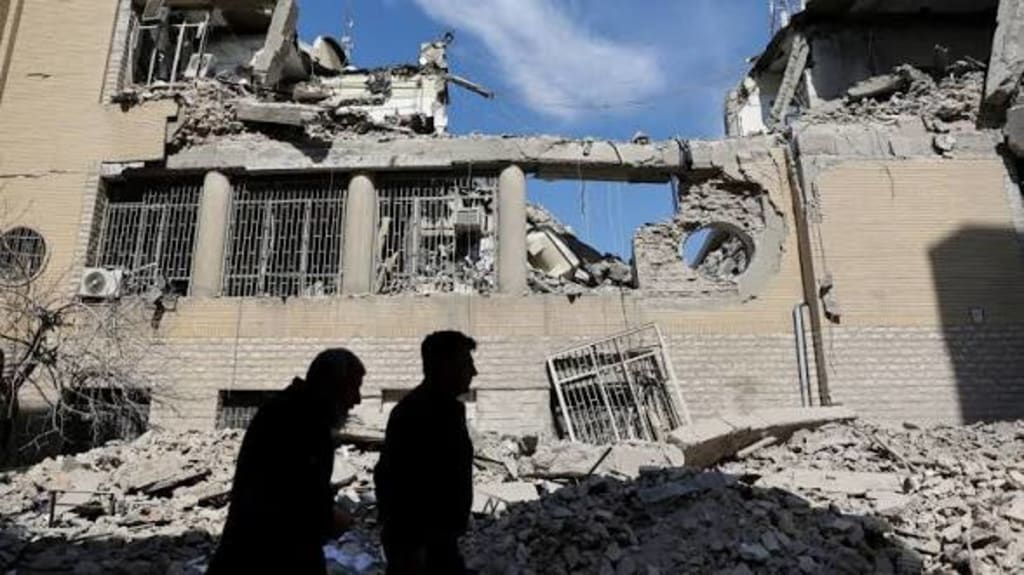
The ongoing crisis in the Middle East has begun to ripple far beyond politics and security, reaching into the world of international sports. Major competitions have been rescheduled, athletes have faced travel disruptions, and sports organizations have had to rethink safety protocols as instability in the region affects global sporting calendars.
In recent months, tensions involving Iran, Israel, and several regional actors have intensified, leading to airspace restrictions, security concerns, and logistical challenges that have directly impacted international sporting events. While sports are often viewed as a unifying global activity, the realities of geopolitics frequently intrude, especially when competitions depend on international travel and stable host environments.
Tournament Disruptions and Venue Changes
Several sporting events scheduled in the Middle East have been postponed, relocated, or canceled due to security concerns. Organizers of regional football tournaments, athletics meets, and motorsport events have been forced to reassess hosting arrangements as governments issued travel advisories and security alerts.
International federations have also faced difficult decisions about whether to proceed with competitions in affected areas. In some cases, events originally planned in the region were moved to alternative venues in Europe or Asia to ensure athlete safety and avoid potential disruptions.
The crisis has also had indirect effects on events held outside the region. Airspace restrictions and aviation disruptions have forced teams and athletes to take longer travel routes, often increasing fatigue and complicating logistics. Airlines rerouting flights around contested airspace have added hours to journeys, creating scheduling headaches for sports federations and tournament organizers.
Impact on Athletes
For athletes themselves, the crisis has brought emotional and practical challenges. Competitors from affected countries have had to balance their professional responsibilities with concern for family members and communities back home.
Athletes from Israel and Iran, in particular, have faced additional pressures. Some have encountered travel restrictions or security procedures that complicate participation in international competitions. Others have spoken publicly about the psychological strain of competing while their home regions experience conflict.
In several sports, athletes have also been caught in geopolitical tensions that influence eligibility or participation. Political sensitivities between countries sometimes lead to situations where athletes refuse to compete against opponents from rival nations, placing sporting bodies in complex regulatory situations.
Football and Regional Leagues
Football, the most widely followed sport in the region, has felt the effects strongly. Domestic leagues and continental competitions have experienced delays, reduced attendance, and increased security measures.
Matches involving clubs from politically sensitive areas have sometimes been relocated to neutral venues to avoid potential risks. For players, these sudden changes disrupt preparation routines and home-field advantages that teams normally rely on.
Regional tournaments involving clubs from across Asia and the Middle East have also had to adjust their schedules. Teams traveling across borders often face visa delays or enhanced security checks, creating additional uncertainty before matches.
Olympic and International Competitions
The crisis has also raised concerns for international competitions involving athletes from the region. Sporting bodies connected to the International Olympic Committee and other federations have emphasized the importance of maintaining neutrality and ensuring that athletes can compete regardless of political tensions.
However, the practical reality of travel restrictions and diplomatic tensions can make this difficult. Athletes sometimes require special security arrangements or diplomatic clearances to attend events hosted abroad.
In some cases, national federations have considered withdrawing athletes from competitions entirely if safety concerns cannot be addressed. Such decisions highlight the delicate balance between protecting athletes and preserving the integrity of international competition.
Economic Effects on Sports
Beyond the athletes themselves, the broader sports industry is feeling the economic impact of instability. Sponsors and broadcasters are cautious about investing in events that might be disrupted, while tourism associated with major tournaments has declined in certain locations.
The Middle East has invested heavily in sports over the past decade, hosting international tournaments in football, tennis, motorsports, and athletics. Political instability threatens to undermine some of these efforts, especially when events depend on large numbers of international visitors.
Organizers are therefore working closely with governments and security agencies to ensure that planned competitions can continue safely.
Athletes as Voices of Unity
Despite the challenges, many athletes have used their platforms to call for peace and unity. Social media messages from players, coaches, and teams have emphasized solidarity and support for those affected by the crisis.
Sports historians often note that athletics can serve as a powerful symbol of cooperation during times of tension. International competitions bring together athletes from countries with deep political differences, demonstrating that shared human experiences can transcend conflict.
For now, however, the Middle East crisis continues to shape the sporting landscape in subtle but significant ways. Travel disruptions, security concerns, and political sensitivities have all become part of the environment athletes must navigate.
As long as regional tensions persist, the intersection between geopolitics and sport will remain unavoidable—reminding the world that even the global arena of athletics cannot fully escape the influence of international events.
About the Creator
Fiaz Ahmed
I am Fiaz Ahmed. I am a passionate writer. I love covering trending topics and breaking news. With a sharp eye for what’s happening around the world, and crafts timely and engaging stories that keep readers informed and updated.
Keep reading
More stories from Fiaz Ahmed and writers in The Swamp and other communities.
Two Oil Tankers Seen at Kharg After Strikes, Satellite Firm Says
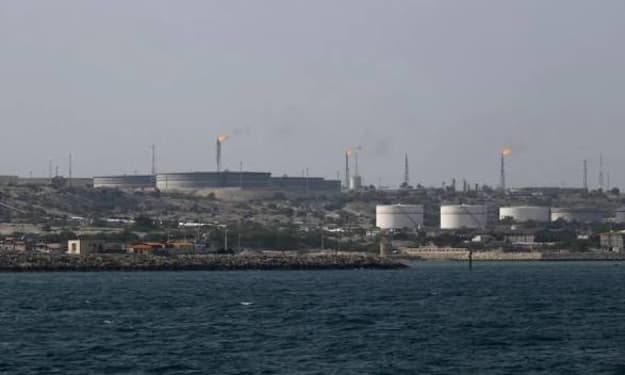
Satellite imagery captured in the aftermath of recent strikes near Iran’s most important oil export terminal indicates that at least two large crude carriers have appeared near the island’s main loading infrastructure, according to a commercial monitoring company. The images suggest that oil export activity at the strategic terminal may be cautiously resuming even as tensions in the region remain high. The new analysis focuses on facilities at Kharg Island, a small island in the northern Persian Gulf that handles the majority of Iran’s crude exports. The terminal has long been considered a critical node in the country’s energy sector and a potential vulnerability in times of conflict. According to analysts at Planet Labs, which provides high-resolution satellite imagery to governments and commercial clients, images taken within the past 48 hours show two very large crude carriers positioned near the island’s primary offshore loading jetties. The tankers appear to be anchored or slowly maneuvering close to export facilities that were reportedly targeted in recent strikes. The strikes themselves have not been officially confirmed in detail by Iran, though regional security officials and shipping monitors say explosions were reported near energy infrastructure earlier this week. The incident occurred amid rising tensions across the Persian Gulf, where multiple attacks on commercial shipping and energy facilities have raised fears of a broader confrontation. Satellite specialists said the appearance of the tankers could signal that operators believe the damage to loading facilities is limited or manageable. “The vessels appear positioned in a way consistent with preparing for or conducting loading operations,” one analyst familiar with the imagery said. “That would suggest the terminal is at least partially operational.” However, analysts cautioned that the presence of ships does not necessarily mean that oil is currently flowing at full capacity. In some cases, tankers are positioned near export terminals as a contingency while infrastructure is inspected or repaired. Kharg Island plays an outsized role in Iran’s energy exports. Industry estimates indicate that up to 90 percent of the country’s crude shipments historically passed through the terminal’s jetties and offshore loading buoys. Damage to those facilities could significantly affect Iran’s ability to move oil to international buyers. Shipping data compiled by maritime intelligence groups indicates that several tankers previously scheduled to approach the island delayed their arrival after reports of the strikes emerged. Insurance costs for vessels operating in the region have also risen sharply. Global energy markets have been closely watching developments. Even temporary disruptions to exports from the Gulf can ripple through oil markets because of the region’s role as the world’s largest crude supply hub. Traders reacted nervously earlier in the week, pushing prices higher as uncertainty about the security of shipping lanes spread. The narrow Strait of Hormuz, located just southeast of Kharg Island, is one of the most important maritime chokepoints in the world. Roughly a fifth of global oil shipments pass through the strait each day, making any escalation in the surrounding waters a major concern for global energy security. Security analysts say the latest imagery could indicate that Iranian authorities are attempting to project stability by maintaining visible export operations. Keeping tankers near loading terminals can signal to markets and buyers that exports are continuing despite military pressure. Regional naval forces have also increased patrols in the area. Several Western and Gulf states have warned commercial vessels to exercise caution when transiting near Iranian territorial waters. Shipping companies are monitoring security advisories closely, particularly as earlier incidents involving drones and missiles have demonstrated the vulnerability of large commercial vessels. Officials in United States and several European countries have declined to comment directly on the satellite images but have reiterated calls for restraint. Diplomatic channels remain active as governments seek to prevent a cycle of retaliatory strikes that could endanger civilian shipping and energy infrastructure. Meanwhile, energy analysts note that Iran has developed contingency plans over decades of sanctions and regional tensions. These include alternative loading arrangements, storage facilities, and ship-to-ship transfer methods designed to keep exports moving even under pressure. The satellite imagery does not yet provide a clear assessment of potential structural damage to Kharg’s export terminals. Cloud cover and the angle of observation make it difficult to determine whether pipelines, storage tanks, or loading arms were affected by the reported strikes. Even so, the mere presence of two tankers near the island has attracted close scrutiny from energy traders and security officials alike. Maritime traffic around Kharg is typically a reliable indicator of Iran’s export activity, and analysts say additional images in the coming days will help clarify whether loading operations are actually underway. For now, the images serve as one of the few independent glimpses into conditions at one of the world’s most strategically important oil terminals. As tensions remain elevated in the Gulf, the movements of just a few ships near Kharg Island could carry implications far beyond the region, influencing energy markets and geopolitical calculations around the globe.
By Fiaz Ahmed a day ago in The Swamp
The Forsyth House Fire
Since 1851, Forsyth House has stood on the corner of Union Street and Gordon Street in the heart of Glasgow. Its iconic, or was... because on Sunday 8th of March, 2026, a fire broke out in a small, seemingly un-named shop in the building and tore all that history down. As I write, the rubble is still unsettled and the street is still blocked off. Central Station is quiet on the upper level, and around 30 small businesses have quite literally gone up in smoke.
By S. A. Crawford2 days ago in The Swamp
Why Didn't Anyone Tell Us
Men, move along. This is not for you. This is for the women. I was forty-five when I began menopause. It is pretty young for that to be going on in a woman’s life, but I had undiagnosed PCOS, my entire life. Thank you to all the gynecologists I had seen my entire life. That in itself should encourage women to keep seeking second opinions, especially when you are not getting correct answers or any at all.
By Alexandra Grant5 days ago in Humans


Comments
There are no comments for this story
Be the first to respond and start the conversation.