
Gaza Under Fire as Israel Says It Targeted an “Imminent Threat”
Escalating strikes, competing narratives, and the deepening humanitarian crisis in one of the world’s most volatile regions

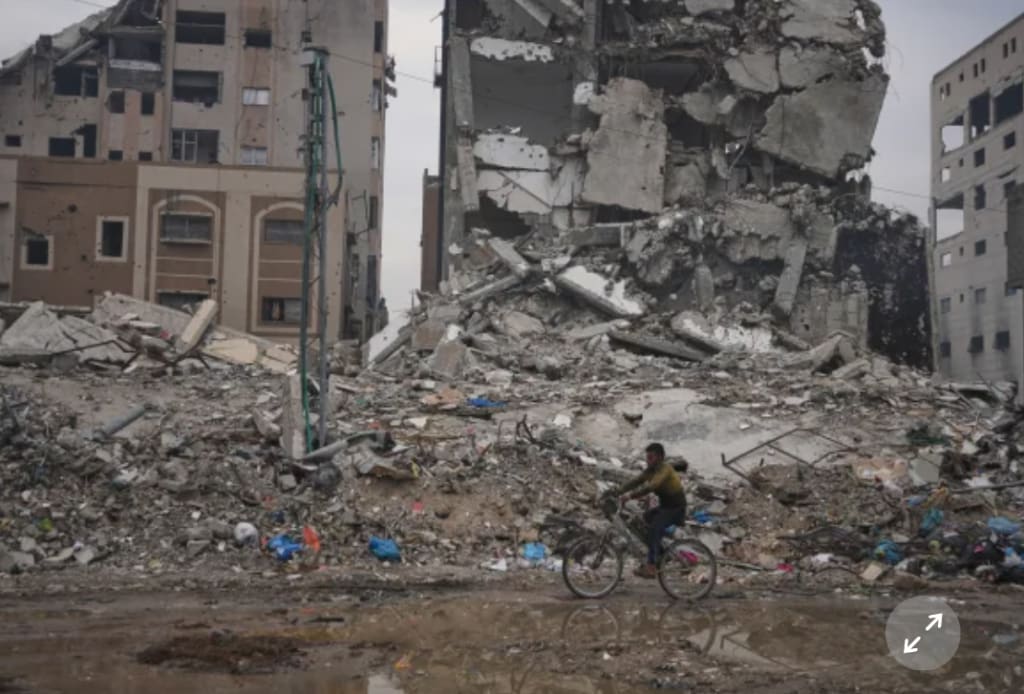
Tensions in the Middle East have once again surged as Israeli forces carried out strikes in Gaza, with Israeli officials stating the operation was aimed at neutralizing an “imminent threat.” The attack has reignited fears of a wider escalation, drawing international concern and renewed scrutiny over the fragile balance between security claims and humanitarian consequences.
As airstrikes shook parts of Gaza, questions quickly emerged: What constituted the alleged imminent threat? Was the response proportionate? And what does this latest episode mean for civilians trapped in a territory already devastated by years of conflict, blockade, and political paralysis?
Israel’s Justification: Preventing an Immediate Attack
According to Israeli military and government statements, the strikes were launched to preempt an imminent attack planned by militant groups operating in Gaza. Israeli officials emphasized that intelligence indicated preparations for assaults targeting Israeli civilians or military positions, leaving what they described as “no alternative but to act.”
Israel has long maintained a doctrine of preemptive self-defense, arguing that rapid action is necessary to protect its population from rocket fire, cross-border attacks, and other security threats. In official briefings, the Israel Defense Forces (IDF) framed the strikes as precise and targeted, aimed at militant infrastructure rather than civilians.
This justification aligns with Israel’s broader security narrative: that Gaza-based armed groups pose a continuous and unpredictable danger, and that delayed responses could result in mass casualties inside Israel.
Gaza’s Reality: Civilians Pay the Highest Price
While Israel stressed security imperatives, the reality on the ground in Gaza told a different story. Local health officials reported casualties, including women and children, and damage to residential areas. Even when strikes are aimed at specific targets, Gaza’s dense urban environment makes civilian harm difficult to avoid.
For Gaza’s more than two million residents, most of whom live under severe economic hardship, each escalation deepens an already dire humanitarian situation. Hospitals operate with limited supplies, electricity is scarce, and access to clean water remains inconsistent. Airstrikes, even short-lived ones, strain a system that many international organizations describe as on the brink of collapse.
Residents described nights filled with fear, explosions, and uncertainty — a grim routine that has become painfully familiar.
The Question of “Imminent Threat”
The phrase “imminent threat” carries significant weight in international law and diplomacy. While states have the right to self-defense, that right is bound by principles of necessity and proportionality.
Critics argue that Israel’s repeated reliance on classified intelligence makes independent verification difficult. Human rights groups often call for transparency, insisting that claims of imminent danger should be scrutinized, particularly when civilian lives are lost.
Supporters of Israel counter that intelligence disclosures could compromise sources and methods, potentially enabling future attacks. This tension between secrecy and accountability lies at the heart of the ongoing debate.
International Reactions: Calls for Restraint
The latest strikes prompted swift responses from the international community. Several governments urged restraint on all sides, warning that continued escalation could spiral into a broader conflict.
The United Nations reiterated its concern over civilian casualties and emphasized the need to respect international humanitarian law. Aid organizations once again called for humanitarian corridors and protection for civilians, stressing that Gaza’s population cannot endure endless cycles of violence.
At the same time, some allies reaffirmed Israel’s right to defend itself, highlighting the persistent threat posed by armed groups in Gaza. This familiar diplomatic split reflects the broader global divide over how the conflict should be addressed.
A Cycle That Feels Impossible to Break
The latest violence fits into a long-standing pattern: attacks, retaliation, international alarm, and a temporary lull — followed by renewed tensions. Each round hardens positions and deepens mistrust.
For Palestinians in Gaza, the sense of collective punishment remains strong. Many argue that regardless of militant activity, civilians bear the brunt of military actions over which they have little control. For Israelis, years of rocket attacks and security threats reinforce the belief that decisive military action is necessary for survival.
This cycle leaves little room for political solutions, while reinforcing narratives of fear and victimhood on both sides.
The Political Context Behind the Strikes
Military escalations rarely occur in a vacuum. Analysts point out that internal political pressures, regional dynamics, and broader geopolitical shifts often influence timing and intensity.
In Israel, security issues are deeply intertwined with domestic politics, where leaders are frequently judged on their ability to appear strong against perceived threats. In Gaza, militant groups operate within a complex political landscape shaped by rivalry, blockade, and regional alliances.
These factors make de-escalation difficult, even when neither side appears eager for a full-scale war.
Humanitarian Law and Moral Responsibility
Beyond strategic calculations, the situation raises profound moral questions. International humanitarian law demands the protection of civilians and the minimization of harm, even in the context of self-defense.
Human rights organizations continue to document casualties and destruction, calling for independent investigations into each escalation. They argue that accountability — for all parties — is essential if future violence is to be prevented.
Without such accountability, critics warn, the concept of “imminent threat” risks becoming a justification that normalizes repeated civilian suffering.
What Comes Next?
As of now, the situation remains tense but uncertain. History suggests that short-term calm may follow, but without addressing the underlying causes — blockade, political fragmentation, security fears, and the absence of a credible peace process — lasting stability remains elusive.
For Gaza’s civilians, each strike reinforces a sense of abandonment by the international community. For Israelis, ongoing threats reinforce the belief that vigilance and force are unavoidable.
Conclusion
The latest strikes on Gaza, justified by Israel as targeting an imminent threat, once again highlight the fragile and volatile nature of the Israeli-Palestinian conflict. Security claims, humanitarian realities, and political calculations collide in a space where civilians are caught in the middle.
Until meaningful political solutions replace military reactions, Gaza will remain a flashpoint — and the phrase “imminent threat” will continue to echo after each explosion, long after the smoke clears.
About the Creator
Muhammad Hassan
Muhammad Hassan | Content writer with 2 years of experience crafting engaging articles on world news, current affairs, and trending topics. I simplify complex stories to keep readers informed and connected.
Keep reading
More stories from Muhammad Hassan and writers in The Swamp and other communities.
Morning Squawk: Venezuela’s Unrest, Tesla’s Surprising Finish, and Chick-fil-A’s Marketing Blitz
Morning news is often a whirlwind, but today’s “Morning Squawk” brings clarity to some of the most intriguing developments—from political turmoil in Venezuela to Tesla’s unexpected rise in the auto world, and a deep dive into Chick-fil-A’s latest marketing moves. Here’s everything you need to know in one digestible briefing. Venezuela: A Nation on Edge Venezuela continues to dominate international headlines, as political instability and economic uncertainty fuel unrest across the country. Recent reports indicate growing public protests against the government, with shortages of basic goods and ongoing power outages worsening daily life for millions. The international community is keeping a close eye on the situation. Economists warn that Venezuela’s hyperinflation, combined with a crumbling oil industry, could prolong the nation’s recovery and deepen its humanitarian crisis. Meanwhile, diplomatic efforts by regional organizations are aiming to ease tensions, though progress remains slow. For businesses and investors, Venezuela’s instability serves as a stark reminder of how political uncertainty can ripple through economies—impacting trade, investments, and supply chains in unpredictable ways. Tesla Takes Second Place—Against All Odds In the automotive world, Tesla made headlines with its second-place finish in global vehicle sales, surprising analysts and competitors alike. Despite facing supply chain challenges, increasing competition, and production bottlenecks, Tesla has continued to outperform expectations. Experts attribute this success to a combination of innovative technology, brand loyalty, and strategic pricing, which allows Tesla to maintain momentum even as other automakers ramp up their electric vehicle (EV) offerings. Tesla’s position in the market is more than just a ranking—it’s a signal of the growing dominance of EVs and a shift in consumer preference. With traditional manufacturers investing heavily in electrification, the next few years could see intense competition, but Tesla’s resilience highlights its ability to adapt and capitalize on emerging trends. Inside Chick-fil-A’s Marketing Blitz Shifting gears to the world of fast food, Chick-fil-A is demonstrating how smart marketing can drive growth in a crowded sector. The chain has launched a series of high-profile campaigns aimed at both brand awareness and community engagement. From social media stunts to limited-time menu items and sponsorship deals, Chick-fil-A is clearly leveraging multiple channels to stay relevant. Marketing experts note that this approach not only boosts customer loyalty but also enhances the brand’s visibility in markets where competition is fierce. Interestingly, the company’s campaigns emphasize storytelling and emotional connection, highlighting its values and corporate culture. In an era where consumers increasingly seek authenticity, Chick-fil-A’s strategy underscores the importance of blending clever promotion with a consistent brand message. Other Morning Headlines to Watch Tech Innovations: Several AI startups are making waves, promising tools that could redefine productivity and creative workflows. Investors are particularly interested in solutions targeting enterprise efficiency and digital automation. Global Markets: Stock markets have shown volatility this week, with tech and energy sectors driving fluctuations. Analysts suggest keeping an eye on inflation reports and geopolitical developments as potential market movers. Lifestyle Trends: Sustainable living continues to gain traction, with more consumers embracing eco-friendly products and lifestyle choices. Retailers who adapt quickly are seeing a noticeable boost in engagement. Why These Stories Matter Taken together, these headlines illustrate the diversity of challenges and opportunities in today’s world. Venezuela’s unrest is a reminder of how politics shapes economies. Tesla’s performance highlights the evolution of consumer preferences and technology. Chick-fil-A’s marketing demonstrates the power of strategy in crowded markets. For readers, understanding these developments is more than casual news consumption—it’s about seeing patterns and anticipating the forces shaping business, society, and global trends. Key Takeaways Stay informed on global politics: Countries like Venezuela show how political instability can have far-reaching effects. Watch market disruptors: Tesla’s rise underscores the potential for innovation to reshape industries. Learn from marketing strategies: Chick-fil-A’s campaigns demonstrate how brands can connect with audiences through creativity and authenticity. Monitor broader trends: From AI to sustainability, being aware of emerging developments provides insight into future opportunities and challenges. Morning Squawk isn’t just a collection of headlines—it’s a snapshot of our rapidly changing world. By connecting the dots between politics, business, and lifestyle, readers can gain a clearer perspective on the forces shaping our lives today. Stay tuned, stay informed, and keep squawking—because the world isn’t slowing down anytime soon.
By Muhammad Hassan2 months ago in The Swamp
Why Black History Matters in America?
The United States of America is celebrating their 250th anniversary in 2026. I'm proud to be an American and as someone who was born here, I wouldn't imagine myself living anywhere else. This is a country where opportunities are possible. Where anyone can be successful in anything they desire to do. Equality, community, and togetherness are the backbones of what America is and should be about. However, we have an administration who wants to erase and disregard those who have made positive, meaningful impacts in our country, specifically Black figures, such as Martin Luther King, Jr., Rosa Parks, and Maya Angelou. President Trump and his administration have been constantly complaining and fighting against what they call the "Woke agenda". They use this excuse as a distraction from other issues they refuse to address, such as the high cost of living, climate change, and inflation. That equality is dividing America, when in reality, it's bringing us together. Being woke is not tied to a specific political party. No matter where you stand on the political spectrum, you can still care about other people and their plights. Compassion and empathy for others isn't tied to a political party, either. We were taught as children to treat others the way we want to be treated and not judge others because they're different from us. Caring about others isn't a personal attack on your beliefs. It doesn't make you any less of a person. People who are easily offended over African American figures, past or present, or anything related to it, are grasping at straws. Current and future generations need to know who people like Harriet Tubman and Shirley Chisholm were, especially in the classroom. Black History is part of American History. It should be recognized, not hidden or forgotten. Besides, you can't shield children from everything, just because your feelings are easily hurt.
By Mark Wesley Pritchard 27 days ago in The Swamp
Echoes
I stepped carefully around the corner, the familiar sights and sounds hitting me like a brick to the face. My eyes watered. I could practically see us, all of us, back then, clustered around the outdoor tables in front of the pizza shop, the bar, the coffee shop. I could smell the various stalls from the events we’d been to on this street. I could taste the churros and nachos.
By Phoenixica247 days ago in Fiction



Comments
There are no comments for this story
Be the first to respond and start the conversation.