
Gaza Is Our Show”: U.S. Pushes Its Plan Over Netanyahu’s Objections
Washington asserts diplomatic control over Gaza’s future as tensions rise with Israel’s leadership

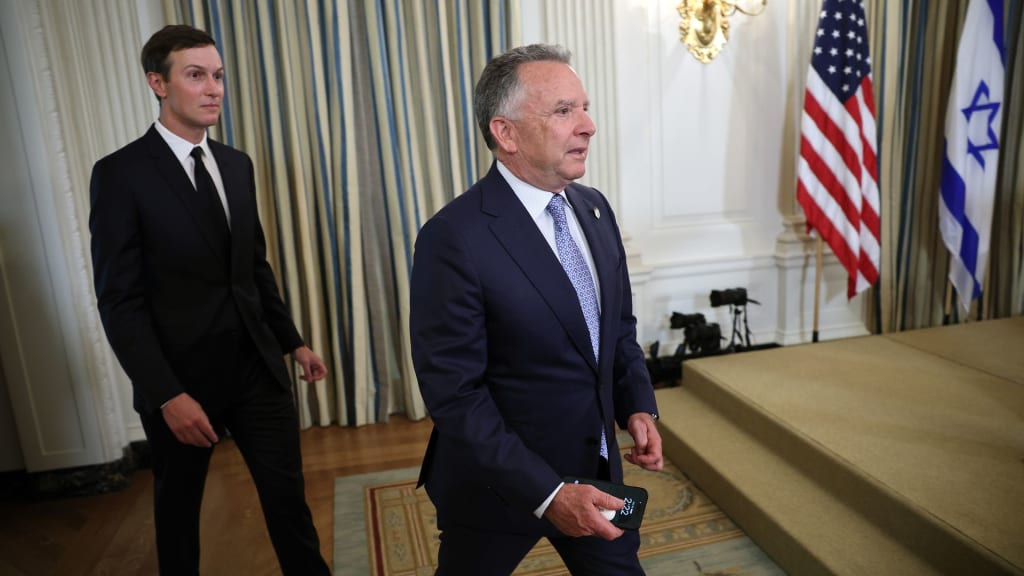
The United States has signaled a more assertive stance on the future of Gaza, making it clear that it intends to move forward with its own strategy despite objections from Israeli Prime Minister Benjamin Netanyahu. The blunt message reportedly conveyed by U.S. officials — “Gaza is our show” — reflects growing frustration in Washington over Israel’s resistance to American-led diplomatic and post-war planning efforts.
This moment marks a notable shift in U.S.–Israel relations, revealing deep disagreements over Gaza’s governance, security arrangements, and long-term political trajectory. While the two countries remain close allies, the Gaza crisis has exposed limits to alignment and highlighted competing priorities between Washington and Netanyahu’s government.
A Growing Rift Over Gaza’s Future
Since the outbreak of the Gaza conflict, the United States has played a central role in diplomatic efforts, balancing military support for Israel with pressure to minimize civilian harm and plan for what comes next. As the humanitarian crisis deepened, Washington increasingly emphasized the need for a political roadmap that would stabilize Gaza once large-scale fighting subsides.
Netanyahu, however, has resisted key elements of the U.S. vision. His government has rejected proposals involving reformed Palestinian governance structures, international oversight, or any steps that could revive a pathway toward Palestinian statehood. This resistance has become a source of mounting tension, culminating in unusually direct language from U.S. officials asserting control over the diplomatic process.
What the U.S. Plan Involves
At the core of Washington’s approach is the belief that Gaza cannot return to the status quo that existed before the war. U.S. officials argue that a sustainable future for Gaza requires a combination of security stabilization, humanitarian reconstruction, and political reform.
Key elements of the American plan reportedly include:
Preventing the re-emergence of militant control in Gaza
Establishing interim governance arrangements supported by international and regional partners
Linking Gaza’s future to broader political reforms involving the Palestinian Authority
Ensuring large-scale humanitarian aid and reconstruction funding
From Washington’s perspective, delaying or rejecting these steps risks prolonged instability, repeated cycles of violence, and further regional escalation.
Netanyahu’s Objections and Domestic Pressures
Netanyahu’s opposition is shaped by both ideological and political factors. His coalition includes hardline partners who strongly oppose any role for the Palestinian Authority or international actors in Gaza. Accepting the U.S. plan could fracture his government and threaten his political survival.
There is also a deep mistrust within Israel’s leadership regarding external guarantees. Many Israeli officials argue that past international arrangements have failed to prevent attacks and that Israel must retain maximum control over security matters. From this viewpoint, U.S.-led planning is seen as disconnected from Israel’s security realities.
“Gaza Is Our Show”: A Diplomatic Turning Point
The phrase “Gaza is our show” signals a rare moment of U.S. bluntness toward Israel. While Washington has often influenced Israeli policy behind closed doors, public and forceful assertions of control are less common.
This language suggests that U.S. patience is wearing thin. American officials appear increasingly convinced that without decisive leadership, Israel’s internal politics will block any meaningful progress, prolonging the crisis and undermining U.S. regional interests.
The statement also reflects Washington’s concern about its global credibility. As images of Gaza’s humanitarian suffering circulate worldwide, the U.S. faces pressure from allies and critics alike to demonstrate that it can influence outcomes rather than simply endorse military actions.
Regional and International Implications
The U.S. push carries significant regional consequences. Arab states, many of which are critical to Gaza’s reconstruction and regional stability, have insisted on a political horizon for Palestinians as a condition for deeper involvement. Washington’s plan is partly designed to keep these partners engaged.
At the same time, bypassing Netanyahu’s objections risks deepening strains within the U.S.–Israel relationship. While a full rupture is unlikely, sustained disagreements could affect coordination on diplomacy, security, and future peace initiatives.
Internationally, the episode reinforces the perception that the U.S. is attempting to reassert leadership after months of criticism over its handling of the conflict.
A Power Struggle Beneath the Alliance
The Gaza dispute reveals a broader power struggle beneath the surface of the U.S.–Israel alliance. Washington is signaling that its support is not unconditional when broader regional stability and humanitarian concerns are at stake.
For Netanyahu, resisting U.S. pressure is partly about asserting Israeli sovereignty and avoiding political fallout at home. For the U.S., pushing ahead is about preventing Gaza from becoming a permanent flashpoint that damages American interests across the Middle East.
This dynamic underscores how alliances, even long-standing ones, can be tested during moments of crisis.
What Comes Next
Whether the U.S. can successfully implement its Gaza plan without Israeli buy-in remains uncertain. Much will depend on how far Washington is willing to go in applying diplomatic pressure and whether Israel’s domestic political landscape shifts.
There are also risks of backlash, both within Israel and in U.S. domestic politics, where strong support for Israel remains influential. Still, the current trajectory suggests that Washington is prepared to take a more assertive role, even at the cost of friction.
Conclusion
The declaration that “Gaza is our show” marks a turning point in how the United States is handling the conflict’s aftermath. By pushing its plan over Netanyahu’s objections, Washington is asserting that Gaza’s future cannot be held hostage to political deadlock.
The coming months will reveal whether this assertiveness leads to progress or further tension. What is clear is that Gaza has become more than a regional crisis — it is now a test of U.S. leadership, alliance management, and the possibility of shaping a more stable future in one of the world’s most volatile regions.
About the Creator
Asad Ali
I'm Asad Ali, a passionate blogger with 3 years of experience creating engaging and informative content across various niches. I specialize in crafting SEO-friendly articles that drive traffic and deliver value to readers.
Google’s Gemini Sees Skyrocketing Business Sales
Artificial intelligence is no longer a futuristic concept reserved for tech giants and research labs. In 2026, AI has firmly planted itself at the center of everyday business operations — and Google’s Gemini is emerging as one of the biggest winners in this transformation. Over the past year, Gemini’s business sales have skyrocketed, signaling a major shift in how companies adopt, trust, and invest in AI-driven solutions.
By Muhammad Hassanabout 3 hours ago in The Swamp
A Dart at Dusk
Seconds ago, the sullen sun set on the two of us… my exuberant furry companion and me. A fresh breeze embraces us, delivering welcome relief from the day’s oppressive heat. His typical stumbling and staggering along — apace with a sloth — has turned into trip-trapping, high-stepping, almost skipping along.
By Angie the Archivist 📚🪶6 days ago in Petlife



Comments
There are no comments for this story
Be the first to respond and start the conversation.